
Major Flight Disruptions Strain Operations at Riyadh’s King Khalid International Airport
Widespread delays and cancellations at Riyadh and other Saudi airports reflect mounting operational challenges affecting travellers and carriers
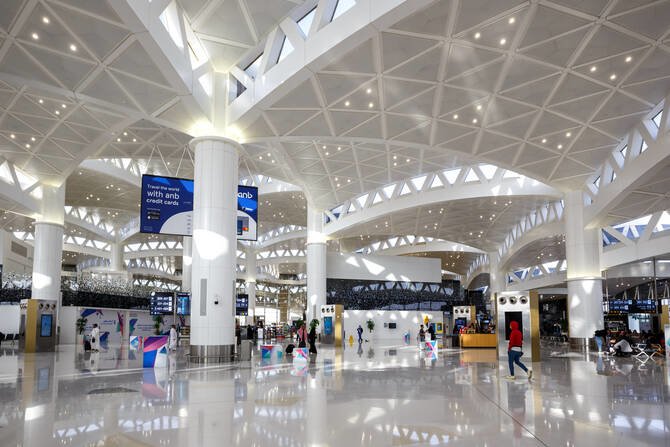
King Khalid International Airport in Riyadh has experienced significant operational strain in recent weeks, with an uptick in flight cancellations and delays contributing to travel disruption across Saudi Arabia’s aviation network.
Data compiled from flight tracking platforms and travel reports indicate that Riyadh, alongside other major hubs including Jeddah and Dammam, has seen dozens of cancellations and hundreds of delayed departures and arrivals in a pattern that airline and industry observers describe as one of the most challenging periods for domestic air travel this year.
These disruptions have affected carriers ranging from Saudia, the national flag carrier, to low-cost operators such as Flynas and flyadeal, with delays and cancellations reported on both domestic and international routes.
The ripple effect has been particularly acute at Riyadh’s airport, where delays have extended to connections and onward flights, heightening passenger frustration and logistical pressures for airlines and airport staff.
Aviation data from recent weeks show that at Riyadh’s airport alone there have been multiple flight cancellations and a substantial number of delays, with estimates indicating more than one hundred departures disrupted.
Similar patterns at King Abdulaziz International Airport in Jeddah and King Fahd International Airport in Dammam have underscored the systemic nature of the operational difficulties.
Industry analysts attribute the situation to a constellation of factors including scheduling pressures, peak travel demand and logistical bottlenecks as airlines and airports contend with high seasonal volumes.
While precise causes for each cancellation or delay vary, the aggregate effect has been a marked departure from typical on-time performance and operational reliability, prompting passengers to seek frequent updates from airlines and airport authorities.
In response, carriers operating from Riyadh and other Saudi airports have been urging travellers to monitor flight statuses closely and prepare for potential changes to travel plans.
Airlines have been offering rebooking options and customer support to mitigate passenger inconvenience and manage the backlog caused by the disruptions.
The situation has highlighted the challenges facing the Kingdom’s air transportation infrastructure at a time of rapid expansion, as authorities pursue long-term investments to boost capacity and improve resilience.
Operational leaders are also emphasising ongoing efforts to streamline processes and enhance coordination between airlines and airport services, with an eye toward restoring stable and efficient travel conditions for both business and leisure passengers.
Data compiled from flight tracking platforms and travel reports indicate that Riyadh, alongside other major hubs including Jeddah and Dammam, has seen dozens of cancellations and hundreds of delayed departures and arrivals in a pattern that airline and industry observers describe as one of the most challenging periods for domestic air travel this year.
These disruptions have affected carriers ranging from Saudia, the national flag carrier, to low-cost operators such as Flynas and flyadeal, with delays and cancellations reported on both domestic and international routes.
The ripple effect has been particularly acute at Riyadh’s airport, where delays have extended to connections and onward flights, heightening passenger frustration and logistical pressures for airlines and airport staff.
Aviation data from recent weeks show that at Riyadh’s airport alone there have been multiple flight cancellations and a substantial number of delays, with estimates indicating more than one hundred departures disrupted.
Similar patterns at King Abdulaziz International Airport in Jeddah and King Fahd International Airport in Dammam have underscored the systemic nature of the operational difficulties.
Industry analysts attribute the situation to a constellation of factors including scheduling pressures, peak travel demand and logistical bottlenecks as airlines and airports contend with high seasonal volumes.
While precise causes for each cancellation or delay vary, the aggregate effect has been a marked departure from typical on-time performance and operational reliability, prompting passengers to seek frequent updates from airlines and airport authorities.
In response, carriers operating from Riyadh and other Saudi airports have been urging travellers to monitor flight statuses closely and prepare for potential changes to travel plans.
Airlines have been offering rebooking options and customer support to mitigate passenger inconvenience and manage the backlog caused by the disruptions.
The situation has highlighted the challenges facing the Kingdom’s air transportation infrastructure at a time of rapid expansion, as authorities pursue long-term investments to boost capacity and improve resilience.
Operational leaders are also emphasising ongoing efforts to streamline processes and enhance coordination between airlines and airport services, with an eye toward restoring stable and efficient travel conditions for both business and leisure passengers.