Saudi Press

Saudi Arabia and the world
Wednesday, Jan 21, 2026

Facebook will shut down its facial recognition system amid growing concerns over the use of such technology

Facebook will shut down its facial recognition system amid growing concerns over the use of such technology

The technology automatically identifies users in pictures and videos but critics say it could compromise privacy.

Facebook's facial recognition system will be shut down and faceprints will be deleted for over a billion people, the social media giant has announced.

The technology automatically identifies users in pictures and videos but Facebook has decided to remove it, citing increased concerns about its use.

Jerome Pesenti, vice president of artificial intelligence at Facebook, wrote in a blog post: "This change will represent one of the largest shifts in facial recognition usage in the technology's history.

"There are many concerns about the place of facial recognition technology in society, and regulators are still in the process of providing a clear set of rules governing its use.

"Amid this ongoing uncertainty, we believe that limiting the use of facial recognition to a narrow set of use cases is appropriate."
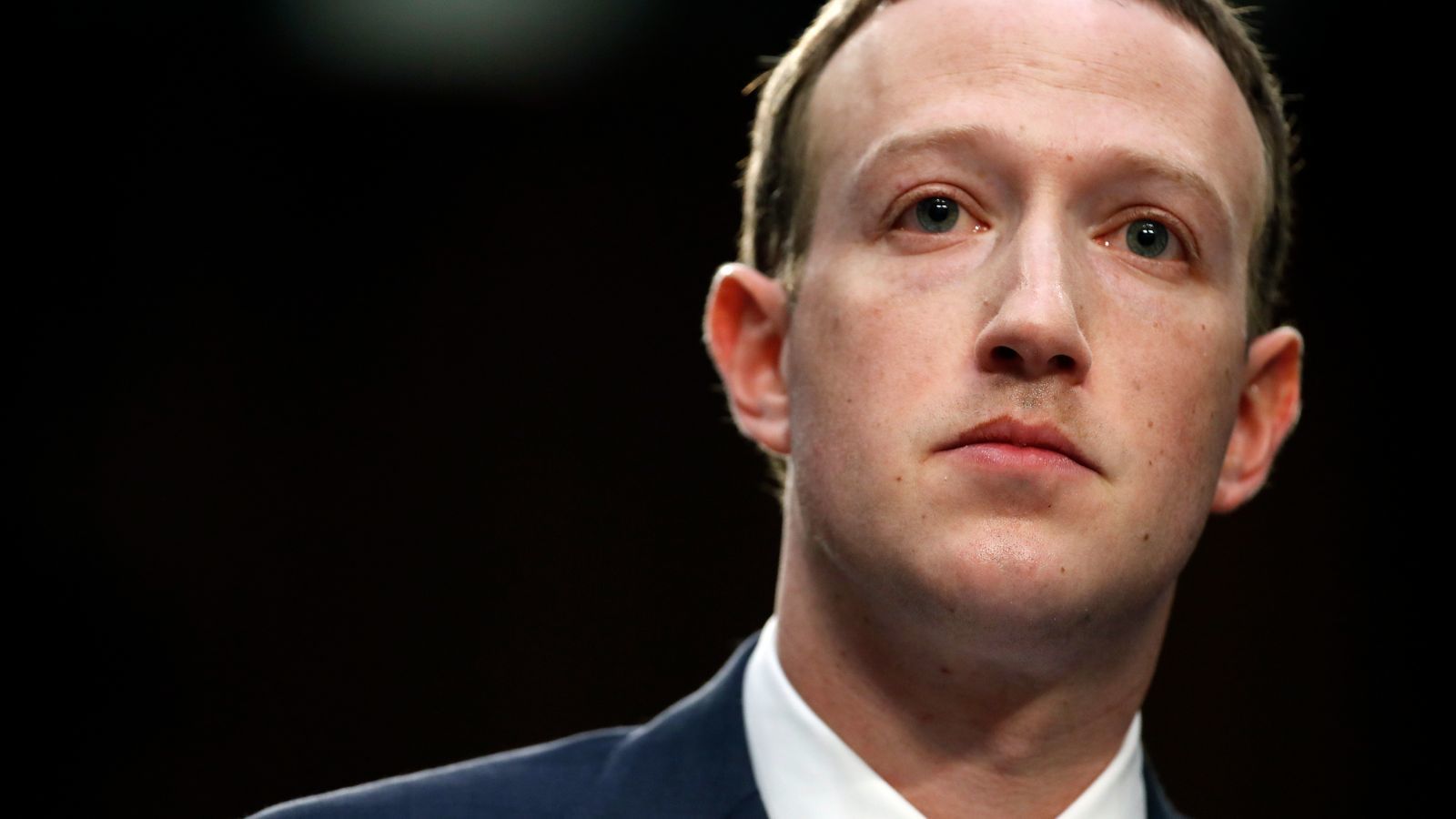
Mark Zuckerberg's company has decided to ditch its facial recognition system


Facebook has been under the microscope in recent weeks after leaked documents from whistleblower Frances Haugen showed it allegedly has known about the harms its products cause and often did little or nothing to mitigate them.

Ms Haugen, who worked at Facebook between 2018 and 2021, gave evidence in Westminster to MPs scrutinising the Online Safety Bill on 25 October, a month after the leaked documents were published by The Wall Street Journal.

Facial recognition is popular among businesses and hospitals for security purposes, but critics have said it could compromise privacy, target marginalised groups and normalise intrusive surveillance.

Facebook said more than a third of its users have opted into the face recognition setting on its social media platform, but the change will delete templates for more than one billion people.

The tech giant added that its automatic text tool, which generates image descriptions for visually impaired people, won't include the names of people recognised in images, but it will otherwise function normally.

The change will be rolled out globally and is set to be complete by the end of the year, a spokesperson said.
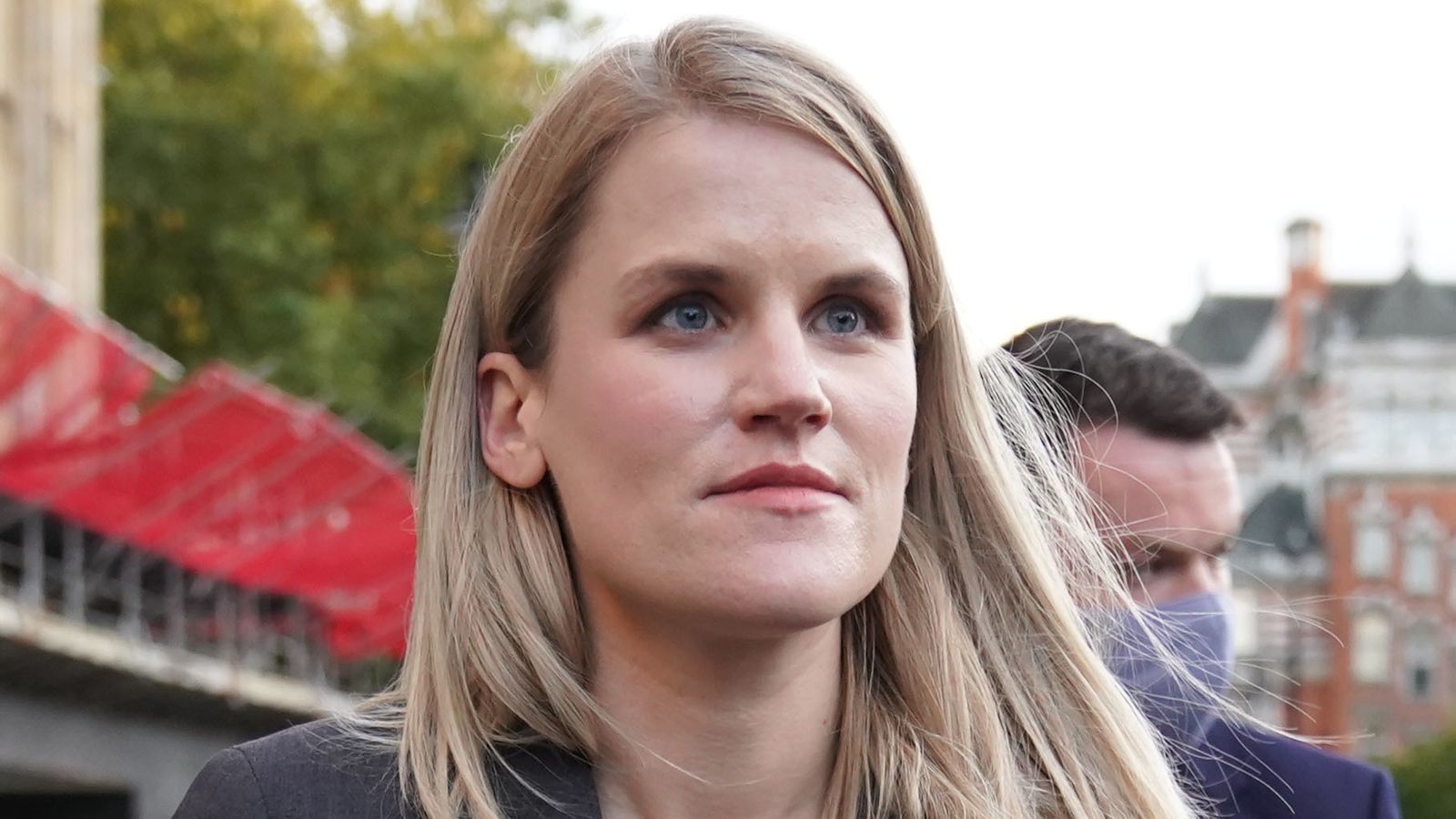
Facebook whistleblower Frances Haugen leaked documents which showed the firm allegedly knew about the harm its products cause


The technology will now be limited to certain services such as helping people gain access to their locked accounts or unlock a personal device, according to Facebook.

In 2019, Facebook stopped using the software to identify users' friends in uploaded pictures and automatically suggested they "tag" them, while San Francisco became the first US city to ban the use of the technology.

Facebook's decision follows the likes of Amazon, Microsoft and IBM, which last year ended or paused the sale of facial recognition software to police over concerns of false identifications.

This is the latest change at Facebook in recent days after it announced on 28 October it would be changing its company name to Meta.

The company has rebranded to focus on building technology for the "metaverse", which it sees as the next stage of the internet.

Newsletter

Related Articles

Saudi Press
0:00
0:00
Close
Saudi Arabia Advances Ambitious Artificial River Mega-Project to Transform Water Security
Saudi Crown Prince and Syrian President Discuss Stabilisation, Reconstruction and Regional Ties in Riyadh Talks
Mohammed bin Salman Confronts the ‘Iranian Moment’ as Saudi Leadership Faces Regional Test
Cybercrime, Inc.: When Crime Becomes an Economy. How the World Accidentally Built a Twenty-Trillion-Dollar Criminal Economy
Strategic Restraint, Credible Force, and the Discipline of Power
Donald Trump Organization Unveils Championship Golf Course and Luxury Resort Project in Saudi Arabia
Inside Diriyah: Saudi Arabia’s $63.2 Billion Vision to Transform Its Historic Heart into a Global Tourism Powerhouse
Trump Designates Saudi Arabia a Major Non-NATO Ally, Elevating US–Riyadh Defense Partnership
Trump Organization Deepens Saudi Property Focus with $10 Billion Luxury Developments
There is no sovereign immunity for poisoning millions with drugs.
Mohammed bin Salman’s Global Standing: Strategic Partner in Transition Amid Debate Over His Role
Saudi Arabia Opens Property Market to Foreign Buyers in Landmark Reform
The U.S. State Department’s account in Persian: “President Trump is a man of action. If you didn’t know it until now, now you do—do not play games with President Trump.”
CNN’s Ranking of Israel’s Women’s Rights Sparks Debate After Misleading Global Index Comparison
Saudi Arabia’s Shifting Regional Alignment Raises Strategic Concerns in Jerusalem
OPEC+ Holds Oil Output Steady Amid Member Tensions and Market Oversupply
Iranian Protests Intensify as Another Revolutionary Guard Member Is Killed and Khamenei Blames the West
President Trump Says United States Will Administer Venezuela Until a Secure Leadership Transition
Delta Force Identified as Unit Behind U.S. Operation That Captured Venezuela’s President
Trump Announces U.S. Large-Scale Strike on Venezuela, Declares President Maduro and Wife Captured
Saudi-UAE Rift Adds Complexity to Middle East Diplomacy as Trump Signals Firm Leadership
OPEC+ to Keep Oil Output Policy Unchanged Despite Saudi-UAE Tensions Over Yemen
Saudi Arabia and UAE at Odds in Yemen Conflict as Southern Offensive Deepens Gulf Rift
Abu Dhabi ‘Capital of Capital’: How Abu Dhabi Rose as a Sovereign Wealth Power
Diamonds Are Powering a New Quantum Revolution
Trump Threatens Strikes Against Iran if Nuclear Programme Is Restarted
Why Saudi Arabia May Recalibrate Its US Spending Commitments Amid Rising China–America Rivalry
Riyadh Air’s First Boeing 787-9 Dreamliner Completes Initial Test Flight, Advancing Saudi Carrier’s Launch
Saudi Arabia’s 2025: A Pivotal Year of Global Engagement and Domestic Transformation
Saudi Arabia to Introduce Sugar-Content Based Tax on Sweetened Drinks from January 2026
Saudi Hotels Prepare for New Hospitality Roles as Alcohol Curbs Ease
Global Airports Forum Highlights Saudi Arabia’s Emergence as a Leading Aviation Powerhouse
Saudi Arabia Weighs Strategic Choice on Iran Amid Regional Turbulence
Not Only F-35s: Saudi Arabia to Gain Access to the World’s Most Sensitive Technology
Saudi Arabia Condemns Sydney Bondi Beach Shooting and Expresses Solidarity with Australia
Washington Watches Beijing–Riyadh Rapprochement as Strategic Balance Shifts
Saudi Arabia Urges Stronger Partnerships and Efficient Aid Delivery at OCHA Donor Support Meeting in Geneva
Saudi Arabia’s Vision 2030 Drives Measurable Lift in Global Reputation and Influence
Alcohol Policies Vary Widely Across Muslim-Majority Countries, With Many Permitting Consumption Under Specific Rules
Saudi Arabia Clarifies No Formal Ban on Photography at Holy Mosques for Hajj 2026
Libya and Saudi Arabia Sign Strategic MoU to Boost Telecommunications Cooperation
Elon Musk’s xAI Announces Landmark 500-Megawatt AI Data Center in Saudi Arabia
Israel Moves to Safeguard Regional Stability as F-35 Sales Debate Intensifies
Cardi B to Make Historic Saudi Arabia Debut at Soundstorm 2025 Festival
U.S. Democratic Lawmakers Raise National Security and Influence Concerns Over Paramount’s Hostile Bid for Warner Bros. Discovery
Hackers Are Hiding Malware in Open-Source Tools and IDE Extensions
Traveling to USA? Homeland Security moving toward requiring foreign travelers to share social media history
Wall Street Analysts Clash With Riyadh Over Saudi Arabia’s Deficit Outlook
Trump and Saudi Crown Prince Cement $1 Trillion-Plus Deals in High-Profile White House Summit
Saudi Arabia Opens Alcohol Sales to Wealthy Non-Muslim Residents Under New Access Rules
×