Transparent Smart Displays: The Latest Innovation in TV Manufacturing
Flat-screen TVs may soon become a thing of the past as giant South Korean electronics companies Samsung and LG bet on a new era of transparent and smart displays. The two companies plan to roll out these innovative screens in the coming months, according to the French Press Agency.
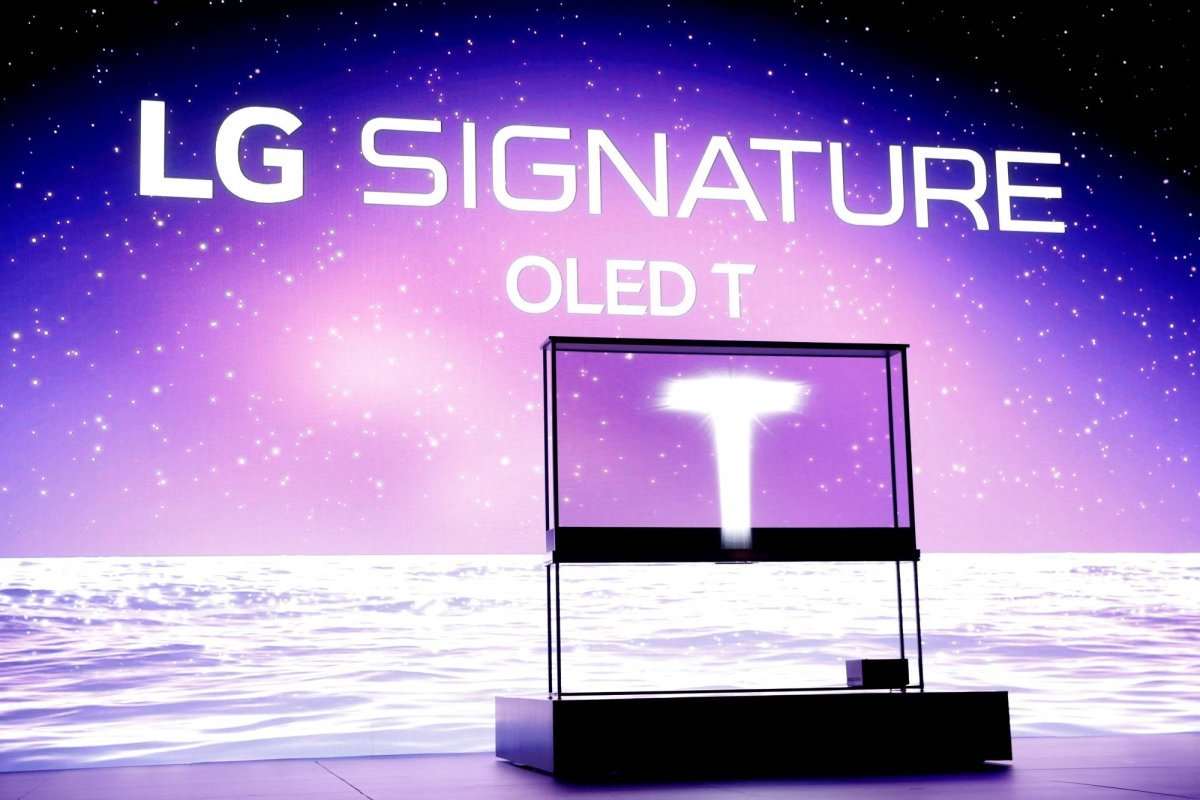
During a press briefing for the upcoming “Signature OLED T” device, set to launch later this year, an LG executive posed the question on Monday, "What if you had a screen that saved you space?"
"Welcome to a world that goes beyond the perfect screen," he added on the eve of the official opening of the Consumer Electronics Show (CES) in Las Vegas, western USA.
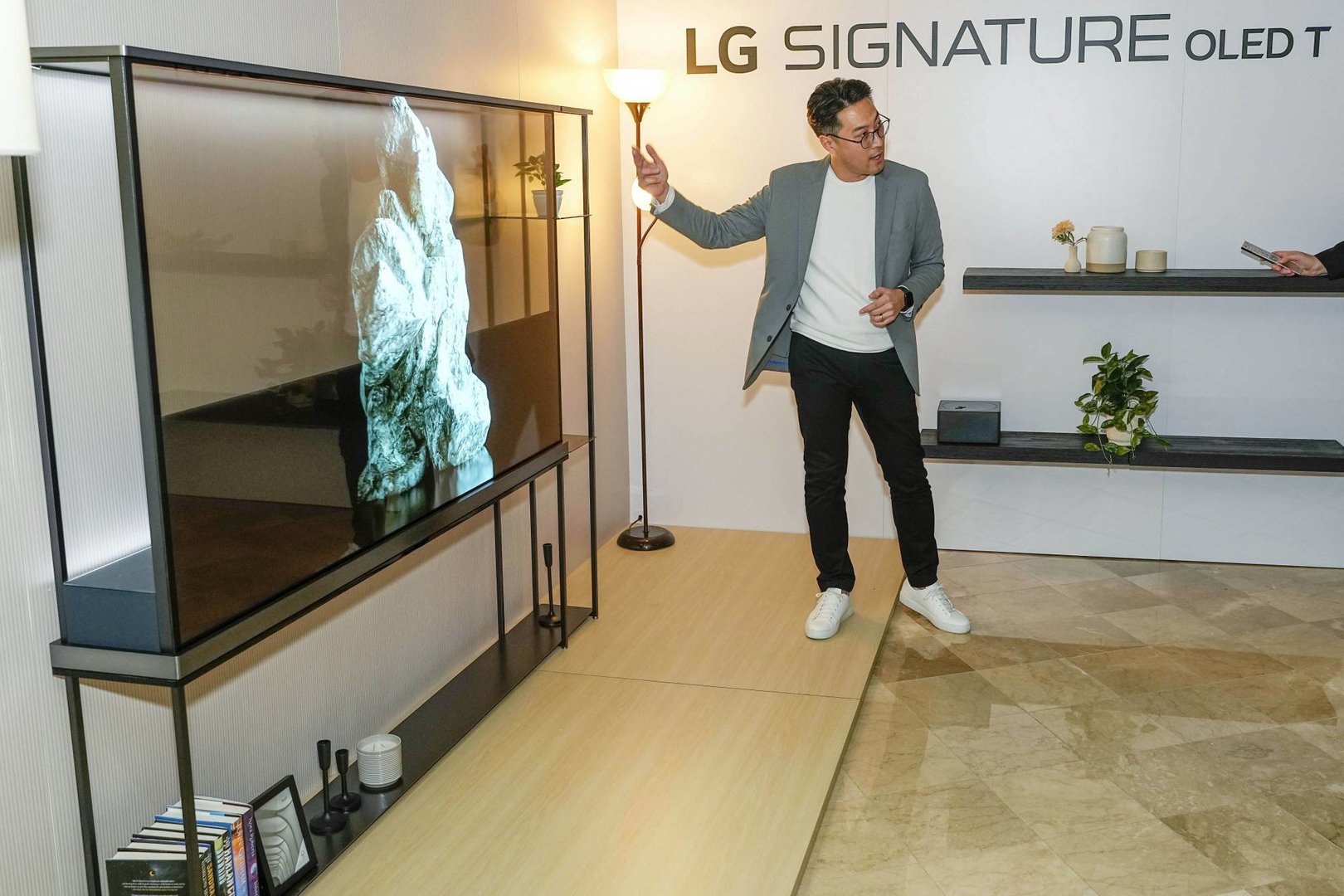
The company suggests that the new screen, which was introduced amidst great fanfare, becomes "practically invisible when turned off," allowing it to blend seamlessly with the room decor.
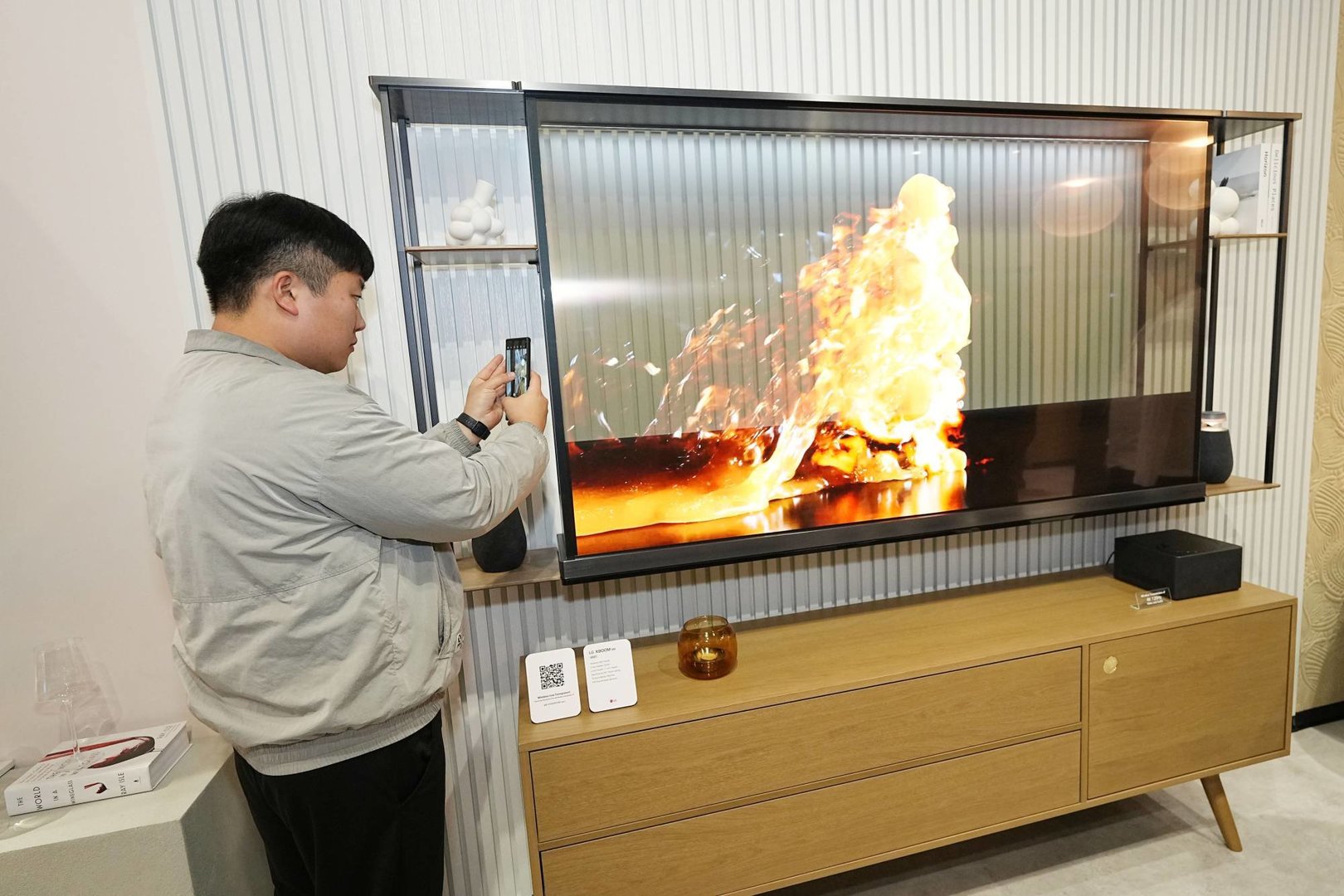
This TV, resembling a transparent rectangular box, allows for high-resolution viewing of television programs once it's switched on.
Moreover, by exploiting its transparency, it is possible to display realistic surrounding images such as flames, swimming fishes, etc. making the device a decorative piece in its own right.
Transparent TV technology is not entirely new, but companies are exerting efforts to convince consumers given the high sales prices.
Samsung presented its own version, which is also transparent like glass, but equipped with light-emitting diodes (LEDs) to ensure high-resolution images.
"Transparent light-emitting diodes are set to redefine visual experiences, making it difficult to distinguish content from reality," said Samsung in a statement.
Big-screen displays have long starred at the Las Vegas show, a major annual event in this industry.
Chinese electronics giant TCL unveiled a series of conventional models, including a colossal 115-inch (292-centimeters diagonal) television.
"Beyond the Screen"
Unsurprisingly, artificial intelligence (AI) dominates this year's Las Vegas electronics show, as all major TV manufacturers highlight its significance, enabled by the integrated electronic chips within the displays.
"In an era of ultra-connectivity, it's no longer just about providing high-quality visual experiences," said a Samsung Electronics official, S.W. Young, asserting that "Screens must enhance our lives, both on and off the display."
The industry giants have been promoting AI's benefits in improving images, for instance, by instantly converting an old classic film into a modern format, including restored versions of movies, or tailoring program recommendations based on viewers' preferences.
AI is also being used to enhance video game capabilities, with enthusiasts expecting a deeper immersion in technology.
The latest TV range from Hisense includes AI-powered devices that recognize content on the screen and adjust in real-time to enhance image clarity and immersive effect.
"The Price of a House"
According to S.W. Young, AI embedded in Samsung TVs is also designed as a control hub for all connected devices throughout the home.
Jessica Booth, research director at the Consumer Technology Association, responsible for organizing the Las Vegas show, said, "We’ll see TVs becoming the home command center, going beyond broadcasting entertainment programs."
For LG CEO William Cho, the world is undergoing a "historical turning point" thanks to AI, a shift he wants to join by leveraging data collected by sensors from hundreds of millions of connected devices worldwide to detect consumer behavior patterns.
Techsponential analyst Avi Greengart told the French Press Agency that "TVs still occupy a significant part of the living room space."
"There is competition now," he said, "Indeed, the cost is close to that of a house, but it's truly amazing."
"Welcome to a world that goes beyond the perfect screen," he added on the eve of the official opening of the Consumer Electronics Show (CES) in Las Vegas, western USA.
The company suggests that the new screen, which was introduced amidst great fanfare, becomes "practically invisible when turned off," allowing it to blend seamlessly with the room decor.
This TV, resembling a transparent rectangular box, allows for high-resolution viewing of television programs once it's switched on.
Moreover, by exploiting its transparency, it is possible to display realistic surrounding images such as flames, swimming fishes, etc. making the device a decorative piece in its own right.
Transparent TV technology is not entirely new, but companies are exerting efforts to convince consumers given the high sales prices.
Samsung presented its own version, which is also transparent like glass, but equipped with light-emitting diodes (LEDs) to ensure high-resolution images.
"Transparent light-emitting diodes are set to redefine visual experiences, making it difficult to distinguish content from reality," said Samsung in a statement.
Big-screen displays have long starred at the Las Vegas show, a major annual event in this industry.
Chinese electronics giant TCL unveiled a series of conventional models, including a colossal 115-inch (292-centimeters diagonal) television.
"Beyond the Screen"
Unsurprisingly, artificial intelligence (AI) dominates this year's Las Vegas electronics show, as all major TV manufacturers highlight its significance, enabled by the integrated electronic chips within the displays.
"In an era of ultra-connectivity, it's no longer just about providing high-quality visual experiences," said a Samsung Electronics official, S.W. Young, asserting that "Screens must enhance our lives, both on and off the display."
The industry giants have been promoting AI's benefits in improving images, for instance, by instantly converting an old classic film into a modern format, including restored versions of movies, or tailoring program recommendations based on viewers' preferences.
AI is also being used to enhance video game capabilities, with enthusiasts expecting a deeper immersion in technology.
The latest TV range from Hisense includes AI-powered devices that recognize content on the screen and adjust in real-time to enhance image clarity and immersive effect.
"The Price of a House"
According to S.W. Young, AI embedded in Samsung TVs is also designed as a control hub for all connected devices throughout the home.
Jessica Booth, research director at the Consumer Technology Association, responsible for organizing the Las Vegas show, said, "We’ll see TVs becoming the home command center, going beyond broadcasting entertainment programs."
For LG CEO William Cho, the world is undergoing a "historical turning point" thanks to AI, a shift he wants to join by leveraging data collected by sensors from hundreds of millions of connected devices worldwide to detect consumer behavior patterns.
Techsponential analyst Avi Greengart told the French Press Agency that "TVs still occupy a significant part of the living room space."
"There is competition now," he said, "Indeed, the cost is close to that of a house, but it's truly amazing."
Translation:
Translated by AI