Saudi Press

Saudi Arabia and the world
Tuesday, Jan 13, 2026

This is how Dubai startups are training AI to be more human and unbiased

This is how Dubai startups are training AI to be more human and unbiased

As global dependence on digital technology grows rapidly, brands explore how they can reach consumers better with more humanised technology, and Dubai startups train AI with what they call ethical data to gain the trust of its users.


The COVID-19 pandemic saw a drastic increase in the global dependency on digital technology, yet some types of human-computer interactions (HCI) require more human focus to succeed.

In the Middle East, consumers are increasingly using the internet to buy food, meet each other, and learn in digital spaces. But one industry isn’t faring so well online.

The regional apparel industry fell sharply since early 2020 according to McKinsey & Company, which identified that consumers shopping online for customised items, such as clothing and beauty products, need more personal attention.

Emotional shopping


Dubai-based software provider GetBEE, says it has created the first personalised network for brands to engage with customers on a more human, and immersive level.

Shoppers can view, rate, and receive face-to-face guidance through a video call from their chosen salesperson. Within the call, users can receive direct instructions on how to take their measurements properly and receive a second opinion on items in their virtual shopping cart.
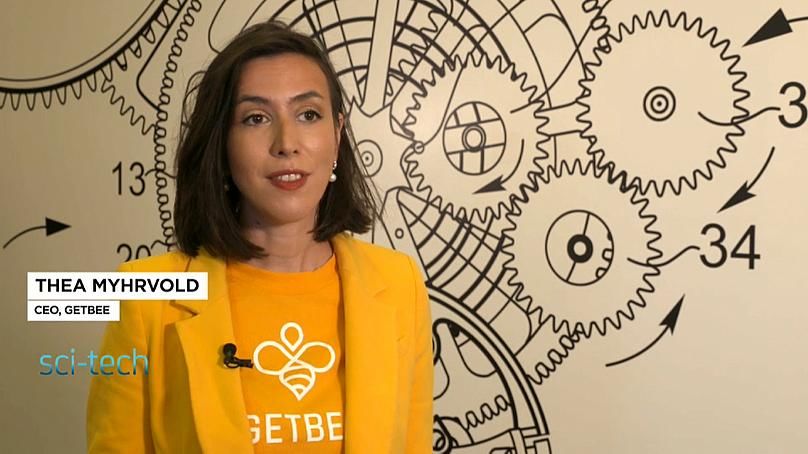
CEO of Getbee


Thea Myhrvold, GetBEE’s founder and CEO, says that despite global fashion profits plummeting in 2020, online retail apparel sales increased by 28% on average in a matter of months for nearly 20 brands using their platform.

“People buy from people at the end of the day,” says Myhrvold, a former schoolteacher turned serial entrepreneur, who believes similar empathy applies to education as well as to retail.

“86% of customers prefer dealing with a person over a chatbot. And that's why this personalised emotional purchasing experience truly works.”

Chalhoub Middle East represents luxury retail clients including Lancôme and Faces. The regional distributor says humanising online platforms welcomed a new wave of shoppers during lockdown measures.

“It helped us survive,” says Aleksandra Harciarek, an omni-channel project manager at Chalhoub Group.

“It helped us generate results that would not be there if we would stay, just waiting for our IT to build e-commerce platforms for us.”

Biased technology


While the retail industry creates technology with more relatable output, a demand to input human values in complex systems such as machine learning systems is growing.

Technology including artificial intelligence is dependent on the information its developers teach it, which can lead to human issues of bias and unethical practices if not regulated.

In 2015, Amazon’s AI recruiting engine determined that resumes with the word “women’s” were less preferable.

A 2018 MIT study found facial recognition algorithms had higher detection errors towards Black people compared to White people.

After opposition protests, Microsoft, IBM, and Amazon refused to sell their facial analysing software to US police in 2020, for fear of racial profiling and mass surveillance.

Despite this, only 25% of businesses consider ethical implications before investing in AI according to Price Waterhouse Coopers (PwC), which estimates that the technology will contribute about 13 trillion euros to the global economy by 2030.

Inputting values


Datumcon trains AI neural networks to ensure safe oil drilling, track mask and social distancing compliance, and detect human emotion with sentiment analysis.

Cesar Andres Lopez, Datumcon’s CEO, says AI is superior to humans at performing specific tasks such as differentiating between a cat and a dog. Human guidance is essential for more complex tasks such as detecting emotions, yet he adds, it can welcome human bias at the same time if not trained properly.

CEO, Datumcon


“This is one of the big problems that we have in the future,” says Lopez, who explains that the key to preventing bias is using localisation to train neural networks how to think.

“We make sure that the data tagging is coming from local people because we want to be able to reflect the local characteristics of the data,” he says, using data sets that truly represent a society’s class, age, ethnic, and gender variety.

Datumcon enters samples from about 30 000 various faces to teach the detection of each basic emotion used in their sentiment analysis technology.

Once completed, the results are overseen by an in-house psychologist for accuracy.

Newsletter

Related Articles

Saudi Press
0:00
0:00
Close
Trump Designates Saudi Arabia a Major Non-NATO Ally, Elevating US–Riyadh Defense Partnership
Trump Organization Deepens Saudi Property Focus with $10 Billion Luxury Developments
There is no sovereign immunity for poisoning millions with drugs.
Mohammed bin Salman’s Global Standing: Strategic Partner in Transition Amid Debate Over His Role
Saudi Arabia Opens Property Market to Foreign Buyers in Landmark Reform
The U.S. State Department’s account in Persian: “President Trump is a man of action. If you didn’t know it until now, now you do—do not play games with President Trump.”
CNN’s Ranking of Israel’s Women’s Rights Sparks Debate After Misleading Global Index Comparison
Saudi Arabia’s Shifting Regional Alignment Raises Strategic Concerns in Jerusalem
OPEC+ Holds Oil Output Steady Amid Member Tensions and Market Oversupply
Iranian Protests Intensify as Another Revolutionary Guard Member Is Killed and Khamenei Blames the West
President Trump Says United States Will Administer Venezuela Until a Secure Leadership Transition
Delta Force Identified as Unit Behind U.S. Operation That Captured Venezuela’s President
Trump Announces U.S. Large-Scale Strike on Venezuela, Declares President Maduro and Wife Captured
Saudi-UAE Rift Adds Complexity to Middle East Diplomacy as Trump Signals Firm Leadership
OPEC+ to Keep Oil Output Policy Unchanged Despite Saudi-UAE Tensions Over Yemen
Saudi Arabia and UAE at Odds in Yemen Conflict as Southern Offensive Deepens Gulf Rift
Abu Dhabi ‘Capital of Capital’: How Abu Dhabi Rose as a Sovereign Wealth Power
Diamonds Are Powering a New Quantum Revolution
Trump Threatens Strikes Against Iran if Nuclear Programme Is Restarted
Why Saudi Arabia May Recalibrate Its US Spending Commitments Amid Rising China–America Rivalry
Riyadh Air’s First Boeing 787-9 Dreamliner Completes Initial Test Flight, Advancing Saudi Carrier’s Launch
Saudi Arabia’s 2025: A Pivotal Year of Global Engagement and Domestic Transformation
Saudi Arabia to Introduce Sugar-Content Based Tax on Sweetened Drinks from January 2026
Saudi Hotels Prepare for New Hospitality Roles as Alcohol Curbs Ease
Global Airports Forum Highlights Saudi Arabia’s Emergence as a Leading Aviation Powerhouse
Saudi Arabia Weighs Strategic Choice on Iran Amid Regional Turbulence
Not Only F-35s: Saudi Arabia to Gain Access to the World’s Most Sensitive Technology
Saudi Arabia Condemns Sydney Bondi Beach Shooting and Expresses Solidarity with Australia
Washington Watches Beijing–Riyadh Rapprochement as Strategic Balance Shifts
Saudi Arabia Urges Stronger Partnerships and Efficient Aid Delivery at OCHA Donor Support Meeting in Geneva
Saudi Arabia’s Vision 2030 Drives Measurable Lift in Global Reputation and Influence
Alcohol Policies Vary Widely Across Muslim-Majority Countries, With Many Permitting Consumption Under Specific Rules
Saudi Arabia Clarifies No Formal Ban on Photography at Holy Mosques for Hajj 2026
Libya and Saudi Arabia Sign Strategic MoU to Boost Telecommunications Cooperation
Elon Musk’s xAI Announces Landmark 500-Megawatt AI Data Center in Saudi Arabia
Israel Moves to Safeguard Regional Stability as F-35 Sales Debate Intensifies
Cardi B to Make Historic Saudi Arabia Debut at Soundstorm 2025 Festival
U.S. Democratic Lawmakers Raise National Security and Influence Concerns Over Paramount’s Hostile Bid for Warner Bros. Discovery
Hackers Are Hiding Malware in Open-Source Tools and IDE Extensions
Traveling to USA? Homeland Security moving toward requiring foreign travelers to share social media history
Wall Street Analysts Clash With Riyadh Over Saudi Arabia’s Deficit Outlook
Trump and Saudi Crown Prince Cement $1 Trillion-Plus Deals in High-Profile White House Summit
Saudi Arabia Opens Alcohol Sales to Wealthy Non-Muslim Residents Under New Access Rules
U.S.–Saudi Rethink Deepens — Washington Moves Ahead Without Linking Riyadh to Israel Normalisation
Saudi Arabia and Israel Deprioritise Diplomacy: Normalisation No Longer a Middle-East Priority
Saudi Arabia Positions Itself as the Backbone of the Global AI Era
As Trump Deepens Ties with Saudi Arabia, Push for Israel Normalization Takes a Back Seat
Thai Food Village Debuts at Saudi Feast Food Festival 2025 Under Thai Commerce Minister Suphajee’s Lead
Saudi Arabia Sharpens Its Strategic Vision as Economic Transformation Enters New Phase
Saudi Arabia Projects $44 Billion Budget Shortfall in 2026 as Economy Rebalances
×