Saudi Arabia Expands Alcohol Access for Non-Muslim Foreign Residents Under Controlled New Rules
Riyadh quietly relaxes decades-long prohibition by permitting high-earning expatriates to purchase alcohol in regulated outlets
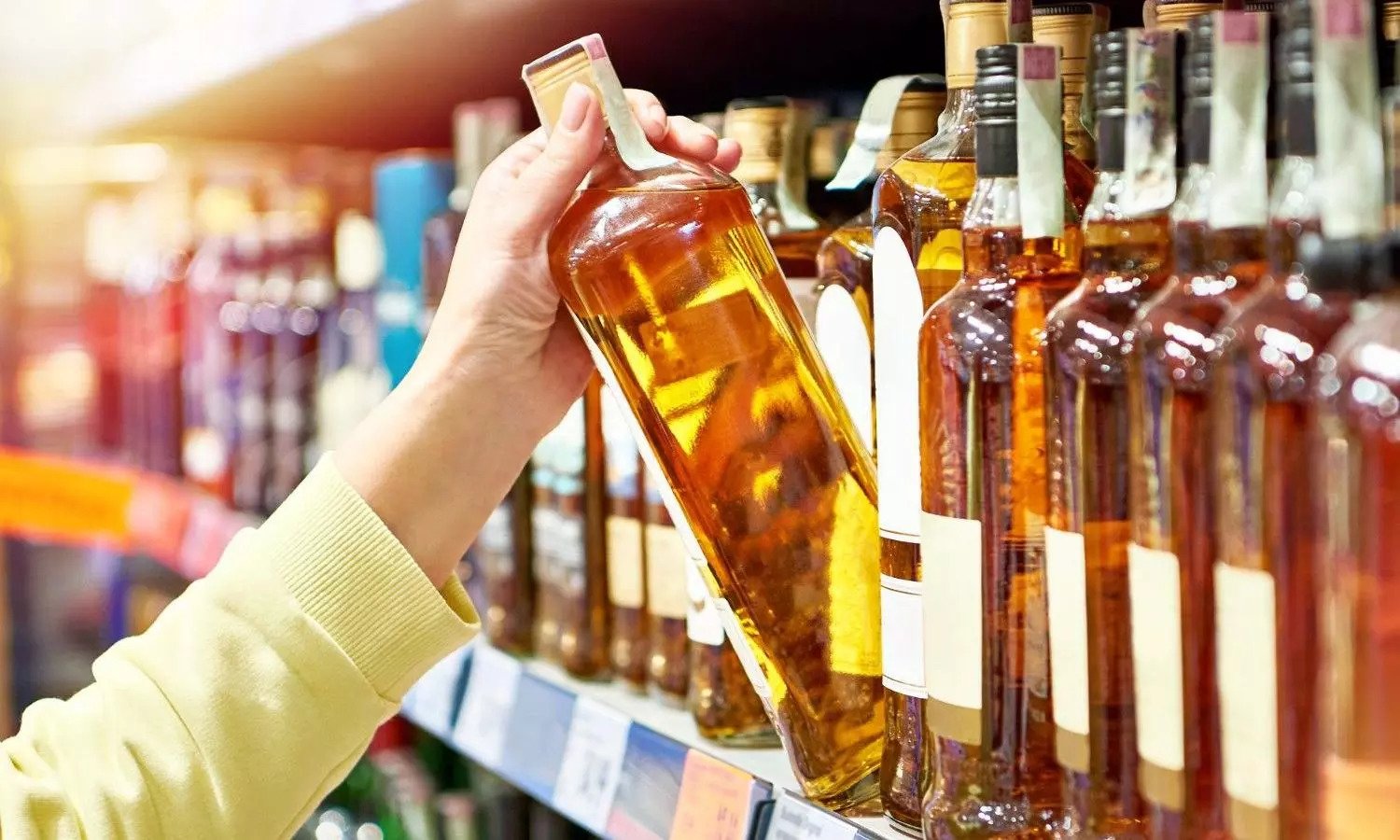
Saudi Arabia has taken a notable step in the controlled relaxation of its longstanding alcohol prohibition by allowing certain non-Muslim foreign residents to purchase alcoholic beverages under specified conditions.
For decades, the sale and consumption of alcohol in the Kingdom were effectively banned under religious and legal restrictions, with only foreign diplomats previously permitted to buy drinks through a licensed outlet in Riyadh’s Diplomatic Quarter.
Reports from residents and people familiar with the matter indicate that authorities have quietly expanded access beyond diplomats to include non-Muslim foreign residents who demonstrate a monthly income of at least fifty thousand Saudi riyals, equivalent to around thirteen thousand three hundred U.S. dollars, and who provide verified income documentation before entering the authorised shop.
Customers at the sole liquor store, which opened in 2024 to serve diplomatic staff, are said to make purchases under a monthly point-based allowance system, and plans are reportedly underway to establish additional outlets in cities such as Jeddah and Dammam to serve eligible expatriates.
The gradual easing of alcohol rules aligns with broader social and economic reforms intended to make the Kingdom more attractive to international professionals, investors and tourists under its Vision 2030 strategy, as part of efforts to diversify the economy and enhance lifestyle amenities for foreign workers.
Saudi authorities have not issued a formal public statement regarding the expanded access, and alcohol remains prohibited for Saudi citizens and Muslim residents in accordance with the Kingdom’s interpretation of Islamic law.
Nonetheless, the policy shift represents one of the most significant adjustments to Saudi Arabia’s alcohol regulations in decades and underscores the careful balancing of cultural tradition with pragmatic reform objectives.
For decades, the sale and consumption of alcohol in the Kingdom were effectively banned under religious and legal restrictions, with only foreign diplomats previously permitted to buy drinks through a licensed outlet in Riyadh’s Diplomatic Quarter.
Reports from residents and people familiar with the matter indicate that authorities have quietly expanded access beyond diplomats to include non-Muslim foreign residents who demonstrate a monthly income of at least fifty thousand Saudi riyals, equivalent to around thirteen thousand three hundred U.S. dollars, and who provide verified income documentation before entering the authorised shop.
Customers at the sole liquor store, which opened in 2024 to serve diplomatic staff, are said to make purchases under a monthly point-based allowance system, and plans are reportedly underway to establish additional outlets in cities such as Jeddah and Dammam to serve eligible expatriates.
The gradual easing of alcohol rules aligns with broader social and economic reforms intended to make the Kingdom more attractive to international professionals, investors and tourists under its Vision 2030 strategy, as part of efforts to diversify the economy and enhance lifestyle amenities for foreign workers.
Saudi authorities have not issued a formal public statement regarding the expanded access, and alcohol remains prohibited for Saudi citizens and Muslim residents in accordance with the Kingdom’s interpretation of Islamic law.
Nonetheless, the policy shift represents one of the most significant adjustments to Saudi Arabia’s alcohol regulations in decades and underscores the careful balancing of cultural tradition with pragmatic reform objectives.