
Trump Designates Saudi Arabia a ‘Major Non-NATO Ally’ to Deepen U.S.–Riyadh Military Partnership
The 2025 move promises wider defence cooperation and faster access to U.S. military gear under new strategic deal
U.S. President Donald Trump has formally elevated Saudi Arabia to the status of a “Major Non-NATO Ally,” a designation that significantly enhances the kingdom’s defence and security ties with the United States.
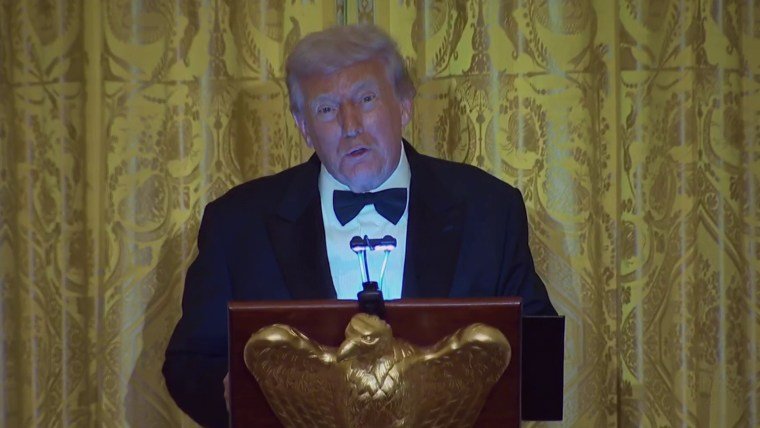
He announced the move on November 18, 2025, during a White House state dinner held in honour of Saudi Crown Prince Mohammed bin Salman.
Trump called the designation a milestone and said it would take military cooperation “to even greater heights.”
The upgrade coincided with the signing of a new U.S.–Saudi Strategic Defence Agreement.
Under the new status, Saudi Arabia becomes eligible for a broad array of benefits under U.S. military-export and alliance laws.
These include priority access to American-made weapons, streamlined export procedures under the International Traffic in Arms Regulations, the possibility of U.S. war-reserve equipment being stationed on Saudi territory, and expanded opportunities for joint training, research and development alongside U.S. forces.
Observers say the change could reshape the security architecture of the Gulf and deepen Riyadh’s role as a key pillar of U.S. strategy in the Middle East.
Alongside the military accord, Riyadh pledged to sharply escalate its planned investments in the United States — raising a previously declared commitment from $600 billion to $1 trillion.
Officials described the combined defence and economic package as a foundation for a renewed era of partnership that spans defence, technology, critical minerals, civil nuclear cooperation and supply-chain security.
Saudi and American officials presented the agreement as a strategic win for regional stability, economic growth, and shared geopolitical interests.
Critics of the move have cautioned about potential risks.
Some U.S. lawmakers voiced concern over earlier human rights controversies involving the Saudi leadership — including the 2018 killing of journalist Jamal Khashoggi — arguing the designation may send a signal that security cooperation overrides accountability.
Others warn that advanced American weapons transfers to Saudi Arabia could heighten regional arms competition.
Nevertheless, proponents assert that the new status aligns with long-term U.S. interests, ensuring readiness, deterrence and deeper strategic alignment in a volatile region.
For Saudi Arabia, the upgrade reinforces its transition under Vision 2030: positioning Riyadh as a central security partner to the United States while advancing economic diversification and technological cooperation.
The designation and agreement mark a significant recalibration of U.S.–Saudi relations.
By granting Saudi Arabia the privileges of a major non-NATO ally, Washington has provided a strong signal of trust — and established a framework that could dramatically expand cross-border defence sales, security cooperation, and geopolitical coordination in the years ahead.
He announced the move on November 18, 2025, during a White House state dinner held in honour of Saudi Crown Prince Mohammed bin Salman.
Trump called the designation a milestone and said it would take military cooperation “to even greater heights.”
The upgrade coincided with the signing of a new U.S.–Saudi Strategic Defence Agreement.
Under the new status, Saudi Arabia becomes eligible for a broad array of benefits under U.S. military-export and alliance laws.
These include priority access to American-made weapons, streamlined export procedures under the International Traffic in Arms Regulations, the possibility of U.S. war-reserve equipment being stationed on Saudi territory, and expanded opportunities for joint training, research and development alongside U.S. forces.
Observers say the change could reshape the security architecture of the Gulf and deepen Riyadh’s role as a key pillar of U.S. strategy in the Middle East.
Alongside the military accord, Riyadh pledged to sharply escalate its planned investments in the United States — raising a previously declared commitment from $600 billion to $1 trillion.
Officials described the combined defence and economic package as a foundation for a renewed era of partnership that spans defence, technology, critical minerals, civil nuclear cooperation and supply-chain security.
Saudi and American officials presented the agreement as a strategic win for regional stability, economic growth, and shared geopolitical interests.
Critics of the move have cautioned about potential risks.
Some U.S. lawmakers voiced concern over earlier human rights controversies involving the Saudi leadership — including the 2018 killing of journalist Jamal Khashoggi — arguing the designation may send a signal that security cooperation overrides accountability.
Others warn that advanced American weapons transfers to Saudi Arabia could heighten regional arms competition.
Nevertheless, proponents assert that the new status aligns with long-term U.S. interests, ensuring readiness, deterrence and deeper strategic alignment in a volatile region.
For Saudi Arabia, the upgrade reinforces its transition under Vision 2030: positioning Riyadh as a central security partner to the United States while advancing economic diversification and technological cooperation.
The designation and agreement mark a significant recalibration of U.S.–Saudi relations.
By granting Saudi Arabia the privileges of a major non-NATO ally, Washington has provided a strong signal of trust — and established a framework that could dramatically expand cross-border defence sales, security cooperation, and geopolitical coordination in the years ahead.