Saudi Press

Saudi Arabia and the world
Wednesday, Dec 24, 2025

Traditional MENA dishes highlight of iftar tables

Traditional MENA dishes highlight of iftar tables

The holy month of Ramadan offers an opportunity for families and friends to gather and share convivial moments around a table adorned with delicious dishes and tasty desserts for iftar or sahoor.

All practicing Muslims in Lebanon, Morocco, Algeria, and Tunisia invite and are invited for iftar comprising traditional dishes influenced with regional flavors. Dates are an immediate source of energy and often the first food consumed when breaking the fast.

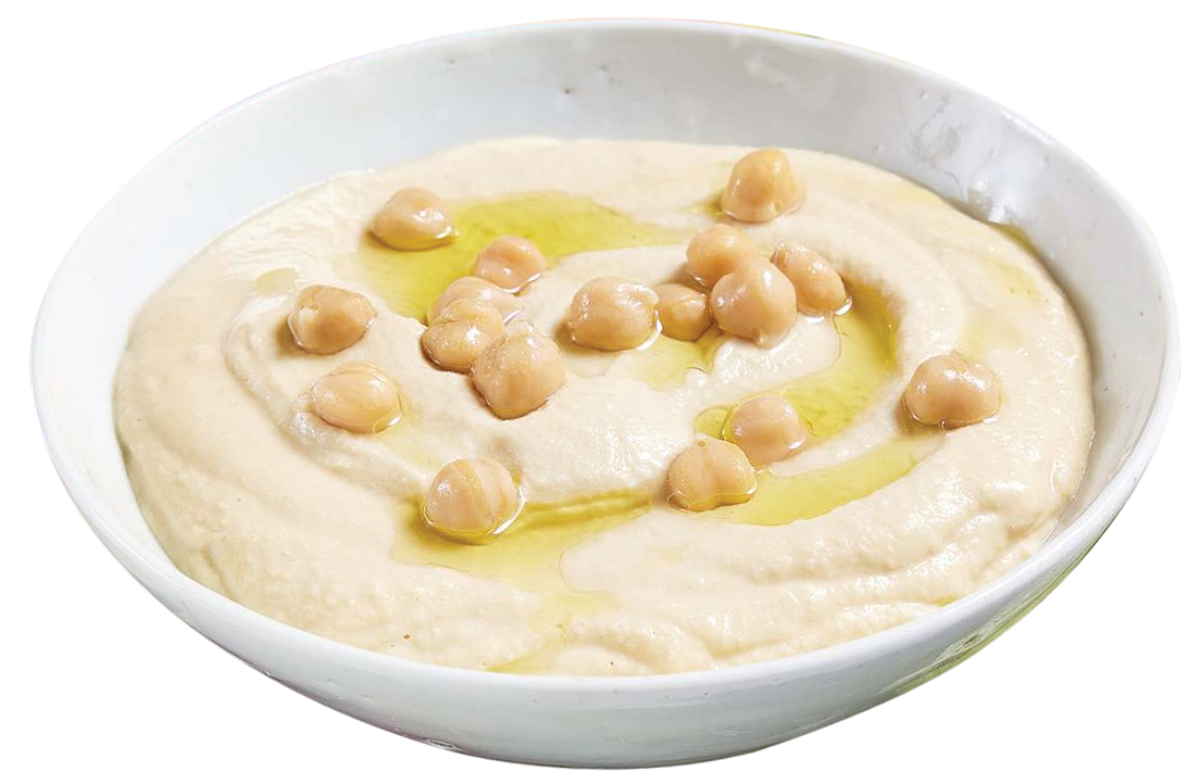
In Lebanon, the usual offering includes rice with chicken, known as riz a djej; shorba, often a lentil soup; kebbe, meat mixed with bulgur; moghrabie, also called Lebanese couscous; sambousseks with meat or cheese; hummus to be nibbled on with pita bread, chips, crackers, or slices of toasted baguette; and tabbouleh and fattouch, the stars of Lebanese salads.

The most popular Lebanese dessert during Ramadan is kallaj, a speciality that is baked only on this occasion. In Sidon, pedestrians crowd the pastry shops, attracted by this dessert displayed in the windows, often eaten with a cup of jallab, a fruit syrup made from carob, dates, grape molasses, and rose water.

In Morocco, harira soup, made with lamb and vegetables, is a staple on the table. The country is also famous for using aubergine in a wide range of recipes, such as aubergine puree served with batbout, a Moroccan bread roll, aubergine lasagne and zaalouk, and salad.

For dessert, the must-have is the chebakia, the Moroccan flagship Ramadan pastry. Moroccans enjoy this rolled pastry, also known as the Moroccan cookie or donut, almond briouates, sweet or savory puff pastry flavored and decorated with chopped almonds, and many other delicious pastries such as meloui and msemen that are similar to pancakes.

Iftar has a very particular taste in Tunisia. The tchich, a Tunisian tomato-based barley soup with soft pieces of octopus and dried mint, melts in the mouth and offers delicious flavors. This soup is usually served on special occasions such as weddings and Ramadan.

A classic Tunisian iftar spread comprises of swabaa fatma, also known as Fatma’s fingers, which are crispy fried sticks made of thin dough and filled with various fillings; rouz jerbi, another well-balanced and nutritious dish that consists of rice and a variety of vegetables and proteins of choice with Tunisians often opting for shrimp; and brik, stuffed filo pastry.

For a sweet treat, zlabia with orange blossom water is a particularly exquisite Tunisian favorite.

Similar to their Tunisian neighbors, Algerians also enjoy briks during the holy month. A delicious and very popular starter, ideal for serving on any Algerian table during Ramadan, briks are always accompanied by shorba frik — inherited from the Ottoman period — which is a traditional Algerian soup made of crushed green wheat.

A favorite side dish at the Ramadan table, couscous is prepared with lamb or beef simmered with chickpeas, onions, carrots, squash, and a variety of spices.

The kalb el louz, a pastry from Constantine, is a dessert that is unanimously appreciated in Algeria, and is enjoyed with mint tea. An irresistible delicacy and an important source of energy, zlabia is also popular among Algerians, as well as Tunisians, during Ramadan.

Whether in Beirut, Tunis, Algiers, or Rabat, the religious, cultural, linguistic, and historical links between these countries confirm a unique culinary authenticity that is highlighted and promoted during Ramadan.

Newsletter

Related Articles

Saudi Press
0:00
0:00
Close
Saudi Arabia’s 2025: A Pivotal Year of Global Engagement and Domestic Transformation
Saudi Arabia to Introduce Sugar-Content Based Tax on Sweetened Drinks from January 2026
Saudi Hotels Prepare for New Hospitality Roles as Alcohol Curbs Ease
Global Airports Forum Highlights Saudi Arabia’s Emergence as a Leading Aviation Powerhouse
Saudi Arabia Weighs Strategic Choice on Iran Amid Regional Turbulence
Not Only F-35s: Saudi Arabia to Gain Access to the World’s Most Sensitive Technology
Saudi Arabia Condemns Sydney Bondi Beach Shooting and Expresses Solidarity with Australia
Washington Watches Beijing–Riyadh Rapprochement as Strategic Balance Shifts
Saudi Arabia Urges Stronger Partnerships and Efficient Aid Delivery at OCHA Donor Support Meeting in Geneva
Saudi Arabia’s Vision 2030 Drives Measurable Lift in Global Reputation and Influence
Alcohol Policies Vary Widely Across Muslim-Majority Countries, With Many Permitting Consumption Under Specific Rules
Saudi Arabia Clarifies No Formal Ban on Photography at Holy Mosques for Hajj 2026
Libya and Saudi Arabia Sign Strategic MoU to Boost Telecommunications Cooperation
Elon Musk’s xAI Announces Landmark 500-Megawatt AI Data Center in Saudi Arabia
Israel Moves to Safeguard Regional Stability as F-35 Sales Debate Intensifies
Cardi B to Make Historic Saudi Arabia Debut at Soundstorm 2025 Festival
U.S. Democratic Lawmakers Raise National Security and Influence Concerns Over Paramount’s Hostile Bid for Warner Bros. Discovery
Hackers Are Hiding Malware in Open-Source Tools and IDE Extensions
Traveling to USA? Homeland Security moving toward requiring foreign travelers to share social media history
Wall Street Analysts Clash With Riyadh Over Saudi Arabia’s Deficit Outlook
Trump and Saudi Crown Prince Cement $1 Trillion-Plus Deals in High-Profile White House Summit
Saudi Arabia Opens Alcohol Sales to Wealthy Non-Muslim Residents Under New Access Rules
U.S.–Saudi Rethink Deepens — Washington Moves Ahead Without Linking Riyadh to Israel Normalisation
Saudi Arabia and Israel Deprioritise Diplomacy: Normalisation No Longer a Middle-East Priority
Saudi Arabia Positions Itself as the Backbone of the Global AI Era
As Trump Deepens Ties with Saudi Arabia, Push for Israel Normalization Takes a Back Seat
Thai Food Village Debuts at Saudi Feast Food Festival 2025 Under Thai Commerce Minister Suphajee’s Lead
Saudi Arabia Sharpens Its Strategic Vision as Economic Transformation Enters New Phase
Saudi Arabia Projects $44 Billion Budget Shortfall in 2026 as Economy Rebalances
OPEC+ Unveils New Capacity-Based System to Anchor Future Oil Output Levels
Will Saudi Arabia End Up Bankrolling Israel’s Post-Ceasefire Order in Lebanon?
Saudi Arabia’s SAMAI Initiative Surpasses One-Million-Citizen Milestone in National AI Upskilling Drive
Saudi Arabia’s Specialty Coffee Market Set to Surge as Demand Soars and New Exhibition Drops in December
Saudi Arabia Moves to Open Two New Alcohol Stores for Foreigners Under Vision 2030 Reform
Saudi Arabia’s AI Ambitions Gain Momentum — but Water, Talent and Infrastructure Pose Major Hurdles
Tensions Surface in Trump-MBS Talks as Saudi Pushes Back on Israel Normalisation
Saudi Arabia Signals Major Maritime Crack-Down on Houthi Routes in Red Sea
Italy and Saudi Arabia Seal Over 20 Strategic Deals at Business Forum in Riyadh
COP30 Ends Without Fossil Fuel Phase-Out as US, Saudi Arabia and Russia Align in Obstruction Role
Saudi-Portuguese Economic Horizons Expand Through Strategic Business Council
DHL Commits $150 Million for Landmark Logistics Hub in Saudi Arabia
Saudi Aramco Weighs Disposals Amid $10 Billion-Plus Asset Sales Discussion
Trump Hosts Saudi Crown Prince for Major Defence and Investment Agreements
Families Accuse OpenAI of Enabling ‘AI-Driven Delusions’ After Multiple Suicides
Riyadh Metro Records Over One Hundred Million Journeys as Saudi Capital Accelerates Transit Era
Trump’s Grand Saudi Welcome Highlights U.S.–Riyadh Pivot as Israel Watches Warily
U.S. Set to Sell F-35 Jets to Saudi Arabia in Major Strategic Shift
Saudi Arabia Doubles Down on U.S. Partnership in Strategic Move
Saudi Arabia Charts Tech and Nuclear Leap Under Crown Prince’s U.S. Visit
Trump Elevates Saudi Arabia to Major Non-NATO Ally Amid Defense Deal
×