Saudi Arabia Signals Strategic Shift in Regional Engagement Away From Interventionism
Riyadh recalibrates foreign policy toward pragmatic diplomacy and middle-power posture amid Yemen tensions and stalled normalization efforts
Saudi Arabia’s foreign policy appears to be in transition, with recent developments suggesting a move away from broad interventionist strategies toward a more calibrated, diplomacy-led regional role that prioritises strategic alliances and multilateral engagement.
Analysts observing the kingdom’s positioning note that Riyadh is increasingly adopting the stance of a “middle power,” seeking to balance relations with major global actors while reconfiguring its approach to longstanding conflicts and alliances.
This recalibration has been reflected in Saudi efforts to normalise ties with neighbours and regional partners, deepen investment-oriented diplomacy and reprioritise peacemaking and economic integration initiatives over unilateral military engagement.
Despite ongoing tensions in Yemen and a public fallout with the United Arab Emirates over control of strategic areas and influence in the civil war there, Saudi Arabia has pursued engagement with countries such as Qatar and Turkey, signing defence and infrastructure agreements that mark a departure from previous confrontational postures.
Riyadh’s diplomatic engagement has extended to broader geopolitical arenas, as evidenced by increased cooperation with diverse partners on infrastructure and security frameworks, and its role in hosting discussions on regional stabilisation.
At the same time, Saudi rhetoric and actions in relation to Israel have hardened, coinciding with shifting regional dynamics that have stalled prospects for formal normalisation and prompted Riyadh to emphasise restraint and dialogue in its diplomatic messaging.
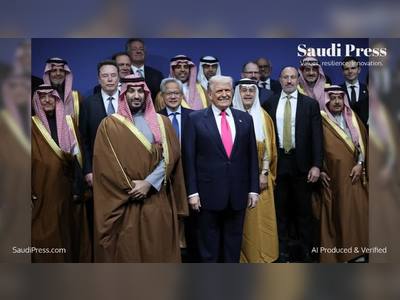
Experts interpret these shifts as part of a conscious policy transition under Crown Prince Mohammed bin Salman, designed to enhance Saudi Arabia’s strategic autonomy in a multipolar world while foregrounding diplomacy, economic ties and balanced security cooperation over the overt interventionism that characterised earlier phases of its regional engagement.
Observers see this emerging posture as an effort to reinforce Riyadh’s influence through economic and diplomatic channels, even as it continues to navigate complex conflict dynamics and evolving alliances across the Middle East.
Analysts observing the kingdom’s positioning note that Riyadh is increasingly adopting the stance of a “middle power,” seeking to balance relations with major global actors while reconfiguring its approach to longstanding conflicts and alliances.
This recalibration has been reflected in Saudi efforts to normalise ties with neighbours and regional partners, deepen investment-oriented diplomacy and reprioritise peacemaking and economic integration initiatives over unilateral military engagement.
Despite ongoing tensions in Yemen and a public fallout with the United Arab Emirates over control of strategic areas and influence in the civil war there, Saudi Arabia has pursued engagement with countries such as Qatar and Turkey, signing defence and infrastructure agreements that mark a departure from previous confrontational postures.
Riyadh’s diplomatic engagement has extended to broader geopolitical arenas, as evidenced by increased cooperation with diverse partners on infrastructure and security frameworks, and its role in hosting discussions on regional stabilisation.
At the same time, Saudi rhetoric and actions in relation to Israel have hardened, coinciding with shifting regional dynamics that have stalled prospects for formal normalisation and prompted Riyadh to emphasise restraint and dialogue in its diplomatic messaging.
Experts interpret these shifts as part of a conscious policy transition under Crown Prince Mohammed bin Salman, designed to enhance Saudi Arabia’s strategic autonomy in a multipolar world while foregrounding diplomacy, economic ties and balanced security cooperation over the overt interventionism that characterised earlier phases of its regional engagement.
Observers see this emerging posture as an effort to reinforce Riyadh’s influence through economic and diplomatic channels, even as it continues to navigate complex conflict dynamics and evolving alliances across the Middle East.