
Escalating Regional Rivalry Raises Concerns Over Middle East Stability at Critical Juncture
Deepening tensions between key regional actors risk complicating fragile diplomacy and security efforts
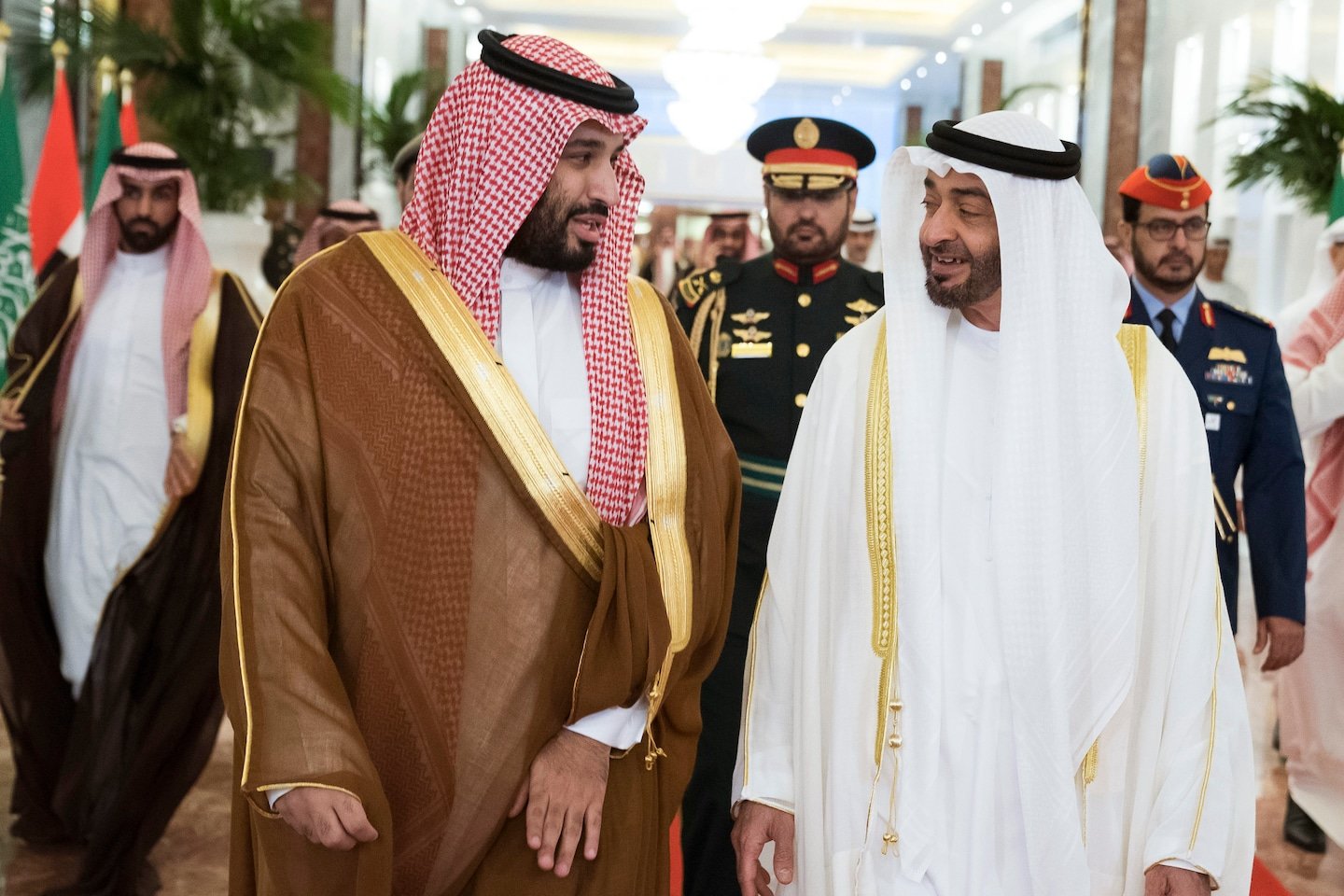
A widening feud between major Middle Eastern actors is raising fresh concerns about regional stability at a time when diplomatic efforts and security arrangements remain finely balanced.
The dispute, rooted in longstanding political, military and ideological differences, has intensified in recent weeks through increasingly sharp rhetoric and competing strategic moves across multiple theatres.
Analysts say the rivalry carries implications far beyond bilateral relations, with potential ripple effects across energy markets, proxy conflicts and diplomatic initiatives aimed at de-escalation.
Regional flashpoints—ranging from border tensions to influence over non-state armed groups—have become more sensitive as each side signals resolve while attempting to avoid direct confrontation.
The timing is particularly delicate.
International mediation efforts are underway in several arenas, and economic pressures across the region have prompted governments to prioritise domestic stability.
An open rupture or miscalculation could derail fragile understandings and heighten the risk of escalation, particularly where military forces operate in close proximity.
Observers note that while both parties have incentives to avoid full-scale conflict, domestic political dynamics and alliance commitments can narrow room for compromise.
Diplomatic channels remain open, but trust is limited and confidence-building measures have yet to take hold.
The unfolding standoff underscores the enduring volatility of the Middle East’s geopolitical landscape.
With regional and global powers closely watching developments, the coming weeks may prove decisive in determining whether tensions can be contained or whether the feud will harden into a broader confrontation with lasting consequences.
The dispute, rooted in longstanding political, military and ideological differences, has intensified in recent weeks through increasingly sharp rhetoric and competing strategic moves across multiple theatres.
Analysts say the rivalry carries implications far beyond bilateral relations, with potential ripple effects across energy markets, proxy conflicts and diplomatic initiatives aimed at de-escalation.
Regional flashpoints—ranging from border tensions to influence over non-state armed groups—have become more sensitive as each side signals resolve while attempting to avoid direct confrontation.
The timing is particularly delicate.
International mediation efforts are underway in several arenas, and economic pressures across the region have prompted governments to prioritise domestic stability.
An open rupture or miscalculation could derail fragile understandings and heighten the risk of escalation, particularly where military forces operate in close proximity.
Observers note that while both parties have incentives to avoid full-scale conflict, domestic political dynamics and alliance commitments can narrow room for compromise.
Diplomatic channels remain open, but trust is limited and confidence-building measures have yet to take hold.
The unfolding standoff underscores the enduring volatility of the Middle East’s geopolitical landscape.
With regional and global powers closely watching developments, the coming weeks may prove decisive in determining whether tensions can be contained or whether the feud will harden into a broader confrontation with lasting consequences.