Saudi Press

Saudi Arabia and the world
Friday, Jan 09, 2026

Digital technology has kept us connected during the pandemic - how can it help Europe's recovery?

Digital technology has kept us connected during the pandemic - how can it help Europe's recovery?

Can the EU’s multi-billion pandemic recovery fund help Europe go fully digital? A century-old Danish manufacturer has made the switch to a fully digital production line and is already reaping the benefits. With the help of EU funds, many other SMEs are expected to follow suit. #Realeconomy

Digital technology is changing the way we live and work. The pandemic and lockdowns has shown how much we depend on it, from remote working to online medical consultations to video calls with family and friends.

However, the pandemic has also highlighted the gap between the digital ‘haves’ and ‘have nots.’ More than 40% of Europeans have no basic digital skills and almost a quarter of homes have no broadband.

Fewer than 20% of SMEs (small and medium-sized enterprises) use internet cloud services or use the internet to sell their products or services.


How are the EU recovery funds helping Europe’s digital transformation?


The transition to a digital world is a key element in the EU’s pandemic recovery plan. At the heart of the plan is the €672.5 billion Recovery and Resilience Facility will be spent on public investments and reforms.

To access the money, member states have submitted national recovery plans earmarking 20% of the money for initiatives to digitise their economies.


To make sure everyone benefits, the EU wants to see investment in ultra-fast broadband, training people in digital skills, helping start-ups and small businesses innovate and grow, and using technology to become climate-neutral.

Why is investing in the digital transition so important?


Paolo Gentiloni is the European Commissioner for Economy. He says that as in the US, the goal in Europe is to "build back better" after the pandemic and that digital concerns "all sectors of our economy."

"You can improve through digital how the public administration works, how the healthcare system works, how companies are competitive and working. This is the strength of the investment in digital that they can have an impact on all our economy."
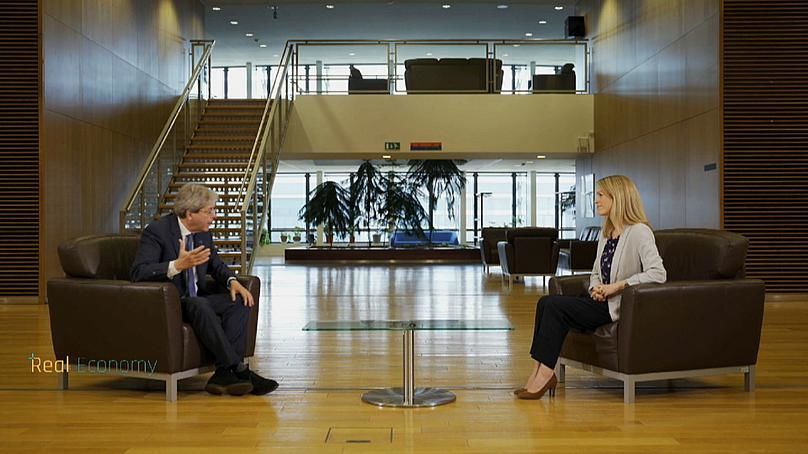
Paolo Gentiloni, European Commissioner for Economy talking to Euronews' Naomi Lloyd


The pandemic has shown how how connectivity problems exacerbated social differences, such as in learning from home for children and young people.

"This is, of course, unacceptable" says Gentiloni, stating "we have to seize the opportunity to reduce and cancel the digital divide. It's now or never."

Europe's frontrunners in digitisation


Nordic countries and the Netherlands are leading the way when it comes to going digital. But even there, projects are hoping for Recovery Fund money to help their digital transition.

The UN’s ‘e-Government Survey ranked Denmark as world champion when it comes to e-government. There’s no need to leave the house with your driver's license in your pocket, for instance, you can simply download it straight to your smartphone.

Now, other sectors of the economy are jumping onboard the digital transition.


Company transformations


HMK Bilcon is based in Jutland. Founded by a blacksmith in 1895, the company went from building carriages to truck trailers throughout the 20th century.

Four years ago, Peter Jensby the CEO, launched a complete overhaul of the company to go fully digital, spending two million euros to change the company.

"This transformation has meant a world of change to this workplace, and we now have a company that is profitable and it was losing a lot of money in the old days", Jensby explains.
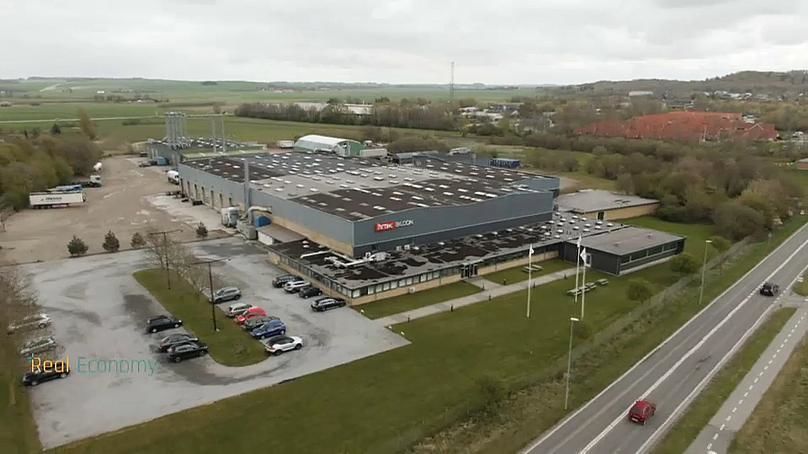
The newly digitised company, HMK Bilcon


More companies, like HMK Bilcon, are expected to go fully digital in the coming months.

Denmark has requested 1,6 billion euros of subsidies from the European recovery plan and will be required to dedicate one-fifth of this amount to the digital transition.

This funding is also of interest to those already in the digital sector, but hoping to expand.

Sahra-Josephine Hjorth created an AI-based software to help teachers and HR managers create online learning programs. The company has quadrupled its staff in 2021 but has had difficulty finding private investors.

"In terms of investment, it can be tricky to attract regular investors for very high-risk features at the forefront of innovation", says Hjorth. explaining that they hope to combine private investors with EU support.

Sahra-Josephine Hjorth, CEO, CanopyLAB


Gentiloni supports countries investing Recovery Fund money in companies like Hjorth's, saying they should not only be looking to "the world of giants, it is also a world of start-ups, midsize companies that have their role in this new digital world."

European competitivity


The EU’s recovery fund will see €134.5 billion dedicated to digitisation, but will it be enough to make Europe a global leader, able to compete with the US and China?

Katrine Forsberg is a Member of the Danish Board of Business Development. She believes the EU can compete at a global level as it has sufficient infrastructure and the skills. She says what is crucial is "investments in small and mid-sized companies to create jobs and to grow the businesses".

Newsletter

Related Articles

Saudi Press
0:00
0:00
Close
Mohammed bin Salman’s Global Standing: Strategic Partner in Transition Amid Debate Over His Role
Saudi Arabia Opens Property Market to Foreign Buyers in Landmark Reform
The U.S. State Department’s account in Persian: “President Trump is a man of action. If you didn’t know it until now, now you do—do not play games with President Trump.”
CNN’s Ranking of Israel’s Women’s Rights Sparks Debate After Misleading Global Index Comparison
Saudi Arabia’s Shifting Regional Alignment Raises Strategic Concerns in Jerusalem
OPEC+ Holds Oil Output Steady Amid Member Tensions and Market Oversupply
Iranian Protests Intensify as Another Revolutionary Guard Member Is Killed and Khamenei Blames the West
President Trump Says United States Will Administer Venezuela Until a Secure Leadership Transition
Delta Force Identified as Unit Behind U.S. Operation That Captured Venezuela’s President
Trump Announces U.S. Large-Scale Strike on Venezuela, Declares President Maduro and Wife Captured
Saudi-UAE Rift Adds Complexity to Middle East Diplomacy as Trump Signals Firm Leadership
OPEC+ to Keep Oil Output Policy Unchanged Despite Saudi-UAE Tensions Over Yemen
Saudi Arabia and UAE at Odds in Yemen Conflict as Southern Offensive Deepens Gulf Rift
Abu Dhabi ‘Capital of Capital’: How Abu Dhabi Rose as a Sovereign Wealth Power
Diamonds Are Powering a New Quantum Revolution
Trump Threatens Strikes Against Iran if Nuclear Programme Is Restarted
Why Saudi Arabia May Recalibrate Its US Spending Commitments Amid Rising China–America Rivalry
Riyadh Air’s First Boeing 787-9 Dreamliner Completes Initial Test Flight, Advancing Saudi Carrier’s Launch
Saudi Arabia’s 2025: A Pivotal Year of Global Engagement and Domestic Transformation
Saudi Arabia to Introduce Sugar-Content Based Tax on Sweetened Drinks from January 2026
Saudi Hotels Prepare for New Hospitality Roles as Alcohol Curbs Ease
Global Airports Forum Highlights Saudi Arabia’s Emergence as a Leading Aviation Powerhouse
Saudi Arabia Weighs Strategic Choice on Iran Amid Regional Turbulence
Not Only F-35s: Saudi Arabia to Gain Access to the World’s Most Sensitive Technology
Saudi Arabia Condemns Sydney Bondi Beach Shooting and Expresses Solidarity with Australia
Washington Watches Beijing–Riyadh Rapprochement as Strategic Balance Shifts
Saudi Arabia Urges Stronger Partnerships and Efficient Aid Delivery at OCHA Donor Support Meeting in Geneva
Saudi Arabia’s Vision 2030 Drives Measurable Lift in Global Reputation and Influence
Alcohol Policies Vary Widely Across Muslim-Majority Countries, With Many Permitting Consumption Under Specific Rules
Saudi Arabia Clarifies No Formal Ban on Photography at Holy Mosques for Hajj 2026
Libya and Saudi Arabia Sign Strategic MoU to Boost Telecommunications Cooperation
Elon Musk’s xAI Announces Landmark 500-Megawatt AI Data Center in Saudi Arabia
Israel Moves to Safeguard Regional Stability as F-35 Sales Debate Intensifies
Cardi B to Make Historic Saudi Arabia Debut at Soundstorm 2025 Festival
U.S. Democratic Lawmakers Raise National Security and Influence Concerns Over Paramount’s Hostile Bid for Warner Bros. Discovery
Hackers Are Hiding Malware in Open-Source Tools and IDE Extensions
Traveling to USA? Homeland Security moving toward requiring foreign travelers to share social media history
Wall Street Analysts Clash With Riyadh Over Saudi Arabia’s Deficit Outlook
Trump and Saudi Crown Prince Cement $1 Trillion-Plus Deals in High-Profile White House Summit
Saudi Arabia Opens Alcohol Sales to Wealthy Non-Muslim Residents Under New Access Rules
U.S.–Saudi Rethink Deepens — Washington Moves Ahead Without Linking Riyadh to Israel Normalisation
Saudi Arabia and Israel Deprioritise Diplomacy: Normalisation No Longer a Middle-East Priority
Saudi Arabia Positions Itself as the Backbone of the Global AI Era
As Trump Deepens Ties with Saudi Arabia, Push for Israel Normalization Takes a Back Seat
Thai Food Village Debuts at Saudi Feast Food Festival 2025 Under Thai Commerce Minister Suphajee’s Lead
Saudi Arabia Sharpens Its Strategic Vision as Economic Transformation Enters New Phase
Saudi Arabia Projects $44 Billion Budget Shortfall in 2026 as Economy Rebalances
OPEC+ Unveils New Capacity-Based System to Anchor Future Oil Output Levels
Will Saudi Arabia End Up Bankrolling Israel’s Post-Ceasefire Order in Lebanon?
Saudi Arabia’s SAMAI Initiative Surpasses One-Million-Citizen Milestone in National AI Upskilling Drive
×