Saudi Press

Saudi Arabia and the world
Saturday, Mar 14, 2026

What is shrinkflation, skimpflation and stagflation?

What is shrinkflation, skimpflation and stagflation?

Have you been out to your favourite restaurant, only to discover the food wasn’t quite as good or the portions were much smaller? Or even eating at home has become more expensive as the supermarket shop adds up?

You may have also just discovered that your Amazon Prime membership is about to get a little more expensive and if you are in the United Kingdom, a McDonald’s cheeseburger is also going up for the first time in more than 14 years.

The feeling that everything is just a little bit worse and perhaps more costly is not unfounded with the blame largely being placed on inflation.

But what exactly is it and the other terms that are being waved around, such as shrinkflation, skimpflation and stagflation?

Euronews Next breaks down what exactly these words mean.


Inflation


Many countries are dealing with the effects of inflation, now at a 40-year high. What that means is that you get less bang for your buck and you are now getting even less value on goods.

Basically, prices go up when there are shortages and/or there is a large demand for goods or services.

The most current example is Amazon choosing to raise the cost of its Prime membership, a decision it blamed on inflation.

Inflation is measured by how expensive goods and services have become over a certain period of time, usually a year. One well-known indicator is the Consumer Price Index, which measures the percentage change in the price of a basket of goods and services consumed by households.

Moderate inflation is considered normal but significant spikes can mean the cost of living can suddenly become much higher.
The feeling that everything is just a little bit worse and perhaps more costly is not unfounded with the blame largely being placed on inflation.


The reason why inflation is so high at the moment is due to a perfect storm of economic woes as the International Monetary Fund (IMF) on Tuesday dubbed the world’s economic outlook “gloomy and more uncertain”.

Many have blamed the world's financial problems on the impact of Russia’s invasion of Ukraine, which has consequentially ramped up petrol and food prices and seen shortages of staple goods.

But even before the war in Ukraine broke out in February, the coronavirus pandemic meant factory shutdowns and also logistical hurdles in export hubs such as China causing supply chain issues and shortages. This ramped up the prices of goods and the cost to transport them.


Shrinkflation


If you are a Swiss chocolate fan, you may remember when Toblerone in 2016 looked a bit different; it no longer resembled the Alps and had the gaps between triangles widened.
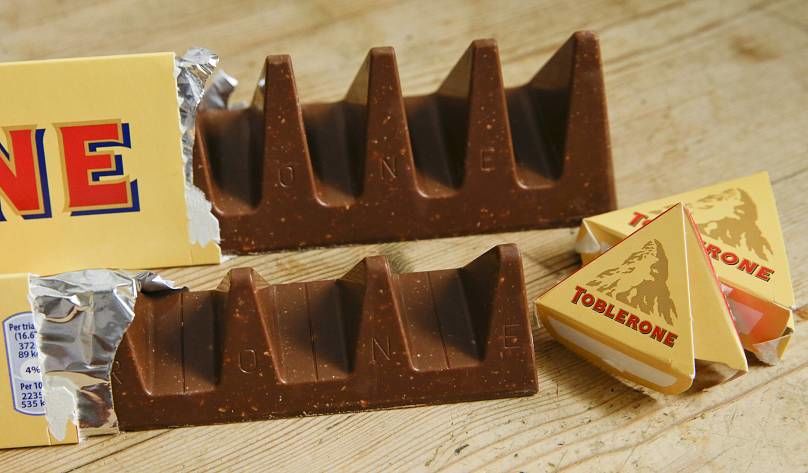
File- More valleys, fewer chocolate peaks


While the cost of the chocolate bar did not go up, it shrank from a net weight of 170 grams to 150 grams.

This is a classic case of what is called “shrinkflation,” when the volume or size of a product shrinks.

It can be seen as a little more sneaky, as consumers are less likely to weigh a product and notice the difference compared to a price hike.


Skimpflation


“Skimpflation” on the other hand is when companies “skimp” on the quality of the product or service.

One of the main reasons this happens is because companies cut back on the quality of the service so it can still be profitable, meaning less money for staffing or materials are cut back on.


Recession


If stagflation is defined as a recession accompanied by inflation, then it is important to know what a recession is.

While the word can cause alarm, recessions are a natural part of the economic cycle. A recession is defined by two successive quarters having contracting gross domestic product (GDP) results.

But issues arise if low growth is combined with unemployment or high inflation, in what is known as stagflation, which is much rarer.


Stagflation


Another word being floated around at the moment is “stagflation”. As the name suggests, everything remains stagnant and does not move much.

In economic terms, it means high inflation, economic stagnation and high unemployment at the same time. Stagflation can happen if there is a recession before the rate of inflation has gone down to where central banks want it to be.
Many countries are dealing with the effects of inflation, now at a 40-year high.


The term is said to have been widely used in the 1970s after a recession in the US hit hard and was accompanied by inflation.

The period of stagflation in the 1970s and 1980s saw several recessions and weak economic growth. It ended after the US’s national bank, the Federal Reserve, raised interest rates to curb inflation.

Newsletter

Related Articles

Saudi Press
0:00
0:00
Close
Strait of Hormuz Crisis Forces Saudi Arabia Into Major Oil Production Shut-In
Saudi Arabia Slashes Oil Output as Strait of Hormuz Crisis Cuts Deep Into Gulf Revenues
Saudi Arabia’s Cultural Scene Presses Ahead as Nation Navigates Regional War
Saudi-Pakistan Defence Pact Faces Real-World Constraints as Iran War Escalates
Saudi Arabia Offers Two Million Barrels of Crude From Red Sea as War Disrupts Gulf Exports
Formula One Faces Tens of Millions in Lost Revenue if Bahrain and Saudi Arabia Races Are Cancelled
Formula One Set to Cancel Bahrain and Saudi Arabian Grands Prix Amid Escalating Middle East War
Saudi Arabia Downs Dozens of Iranian Drones in Major Defensive Operation
Saudi Arabia Cuts Oil Output by About Twenty Percent as Iran War Disrupts Gulf Energy Flows
Formula One Set to Cancel Bahrain and Saudi Arabian Grands Prix Amid Escalating Iran War
Asian Energy Security Tested as Strait of Hormuz Disruption Threatens Oil Supplies
Iran Sets Three Conditions for Ending Regional War as Diplomatic Efforts Intensify
Saudi Arabia Launches Royal Institute of Anthropology to Examine Social Transformation
Pakistan’s Prime Minister Shehbaz Sharif Arrives in Saudi Arabia for High-Level Talks
Saudi Aramco Turns to Ukrainian Drone Interceptors to Shield Oil Infrastructure from Iranian Threats
UK Foreign Secretary Travels to Saudi Arabia to Reinforce Support for Regional Allies
Rising Iran Conflict Casts Shadow Over Saudi Arabia’s $38 Billion Gaming Industry Ambitions
Iran Launches Missile and Drone Strikes Across Gulf as Oil Prices Surge Past $100
Saudi Air Defences Destroy Three Drones Targeting Strategic Shaybah Oil Field
Debate Grows Over Saudi Arabia’s Role in Sudan War Amid US Alliance Questions
Pakistan’s Prime Minister Travels to Saudi Arabia After Discussions With Iranian Leadership
Two Strategic Pipelines Allow Saudi Arabia and the UAE to Bypass the Strait of Hormuz
US Deploys Bunker-Buster Bombs to UK Airbase as Iran Conflict Intensifies
Iran warns of $200 oil as forces target merchant ships in Gulf
Japan to Release 45 Days of Oil Reserves Amid Iran Conflict
Saudi Red Sea Oil Exports Set for Record in March as Kingdom Reroutes Crude Amid Hormuz Crisis
Saudi Arabia Seeks Belgian Military Support After Iranian Missile Attacks
Saudi Arabia Welcomes US Decision to Designate Sudan’s Muslim Brotherhood as Terrorist Organisation
Saudi Aramco Plans Dual Gulf and Red Sea Export Routes as Iran Crisis Disrupts Oil Shipments
Saudi Cabinet Condemns Iranian Attacks and Reaffirms Kingdom’s Right to Defend Its Sovereignty
Ukraine Deploys Counter-Drone Teams to Gulf States as Iranian Drone Threat Expands
Bahrain Grand Prix Faces Uncertainty as Saudi Arabia Works to Keep Formula One Race on Track
Saudi Arabia Faces New Strategic Dilemma in Yemen as Regional War Reshapes Calculations
OPEC Confirms Saudi-Led Oil Output Increase as Iran War Disrupts Global Energy Markets
Pakistan Pledges Rapid Support for Saudi Arabia Amid Escalating Middle East Tensions
Global Energy Agency Announces Record Release of 400 Million Barrels to Stabilize Oil Markets Amid Hormuz Disruption
Aramco Warns Global Oil Market Faces ‘Catastrophic’ Shock if Strait of Hormuz Remains Closed
Iran Launches Drone and Missile Attacks Across Gulf Targets Including Saudi Arabia, Kuwait and Bahrain
Saudi Arabia Elevates Fahad Al-Saif as Vision 2030 Enters Crucial Implementation Phase
Saudi Aramco Expands Routes to Move Oil Without Reliance on the Strait of Hormuz
Saudi Arabia and Pakistan Reaffirm Mutual Defense Cooperation Following Iran Strike
Saudi Arabia Plans Major Ukrainian Arms Deal to Counter Iranian Drone Threat
Pentagon Signals Intensification of U.S. Air Campaign as Iran Conflict Escalates
U.S. Senator Lindsey Graham Raises Prospect of Mutual Defense Pact With Saudi Arabia Amid Iran Conflict
Why Saudi Arabia Is Unlikely to Have Wanted U.S. Airstrikes on Iran
Saudi Arabia’s Red Sea Oil Exports Set to Reach Record High as Gulf Routes Face Disruption
Saudi Arabia Pushes East–West Oil Pipeline Toward Full Capacity as Hormuz Crisis Disrupts Global Energy Flows
Oil Prices Retreat From Peak as G7 Weighs Release of Strategic Reserves
Pentagon Identifies U.S. Soldier Who Died After Iranian Strike on Saudi Air Base
×