UAE Pullback in Yemen Amplifies Strategic Rift With Saudi Arabia Amid STC Gains
Emirati support for Southern Transitional Council advances separatist control in southern Yemen, complicating coalition dynamics and Saudi influence
The conflict in Yemen has entered a new and volatile chapter as forces backed by the United Arab Emirates make broad territorial gains in the south, underscoring a widening strategic rift with Saudi Arabia and reshaping regional alignments.
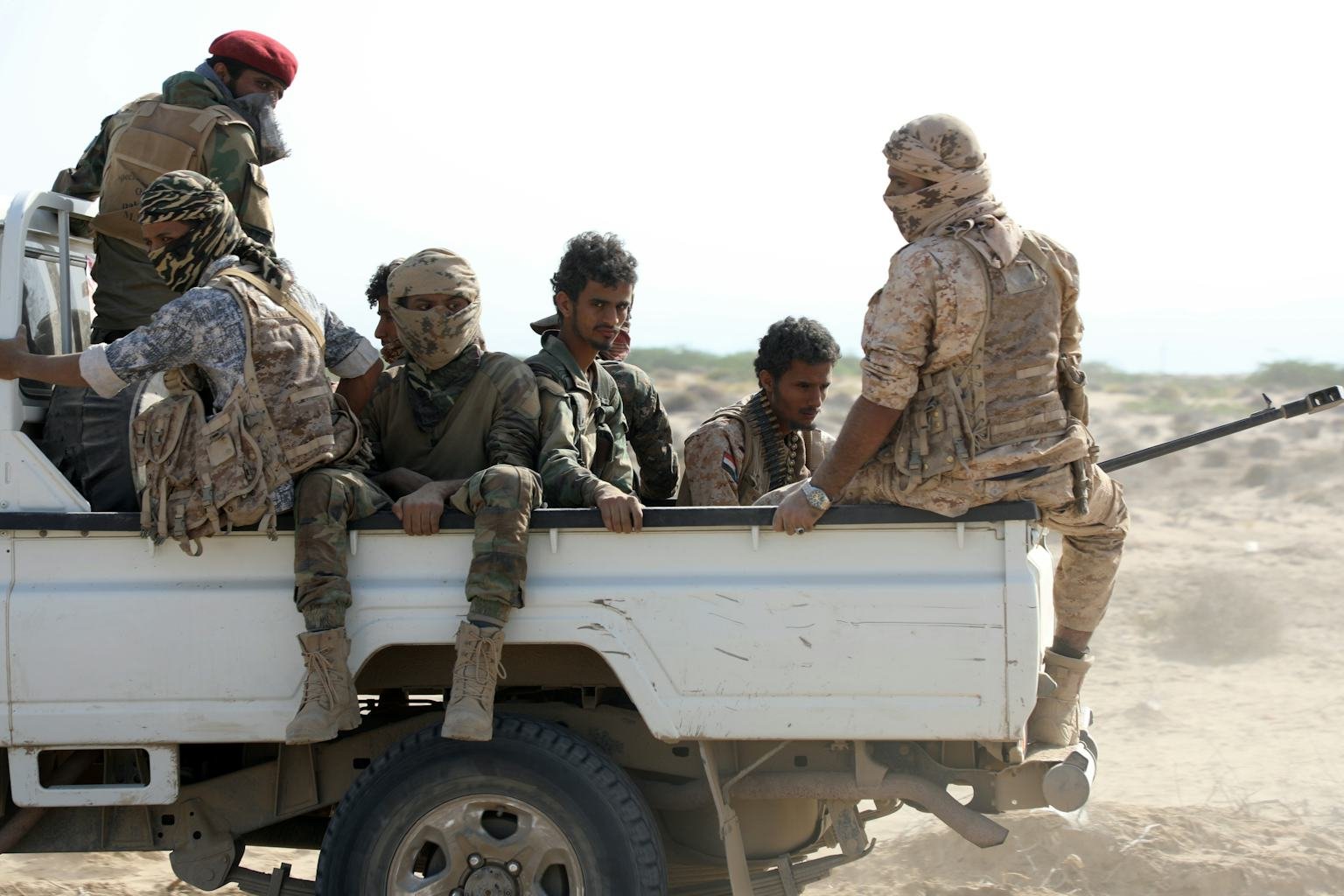
In recent days the UAE-aligned Southern Transitional Council (STC) has seized control of key provinces, including the oil-rich Hadhramaut and Mahra, consolidating authority over much of southern Yemen and challenging the authority of the internationally recognised government.
The advances have significantly weakened Saudi influence and complicated efforts by Riyadh to assert a united front against the Iran-aligned Houthi movement in the north.
The STC’s offensive, which began in early December, rapidly expanded across several governorates — including Seiyun, Tarim and Aden — leveraging local support and minimal resistance in some areas as government security forces retreated or were reorganised.
The STC’s consolidation of territory reflects its long-standing aim for greater autonomy or outright independence for the south, a position that has intermittently strained relations with Saudi Arabia and its allies.
Many observers view these actions as a product of sustained UAE backing, which has included financial, logistical and military support for STC factions over several years, even as formal Emirati troop deployments in Yemen have diminished.
Saudi Arabia, which leads a coalition that intervened in Yemen’s civil war in 2015, has responded to these developments by repositioning forces, sending reinforcements to eastern areas like Hadhramaut and strengthening allied tribal coalitions in counter-moves.
The Saudi-Emirati dynamic in Yemen has shifted from coordination against common foes toward competition for influence, with Riyadh increasingly uncomfortable at the STC’s unilateral territorial claims.
Recent clashes between STC fighters and Saudi-aligned groups underscore this divergence, and strategic disagreements have emerged over the future political order in Yemen.
The intensifying conflict has exacted a heavy humanitarian toll, disrupting governance structures in southern provinces and displacing large numbers of civilians.
International efforts to rekindle peace talks have struggled to keep pace with events on the ground.
The internationally recognised Yemeni government has urged the STC to withdraw from seized areas and reaffirm commitment to a unified national framework, emphasising that combating the Houthi insurgency remains a priority.
Diplomatic actors, including Western partners, have expressed concern that intra-coalition rivalry could undermine broader efforts to stabilise Yemen, prolong the civil war and empower the Houthi movement.
As the STC advances and Saudi repositioning continues, the conflict threatens to evolve from a fight against northern rebels into a complex contest over southern autonomy, raising fundamental questions about Yemen’s future territorial integrity and the durability of Gulf cooperation in addressing regional security challenges.
In recent days the UAE-aligned Southern Transitional Council (STC) has seized control of key provinces, including the oil-rich Hadhramaut and Mahra, consolidating authority over much of southern Yemen and challenging the authority of the internationally recognised government.
The advances have significantly weakened Saudi influence and complicated efforts by Riyadh to assert a united front against the Iran-aligned Houthi movement in the north.
The STC’s offensive, which began in early December, rapidly expanded across several governorates — including Seiyun, Tarim and Aden — leveraging local support and minimal resistance in some areas as government security forces retreated or were reorganised.
The STC’s consolidation of territory reflects its long-standing aim for greater autonomy or outright independence for the south, a position that has intermittently strained relations with Saudi Arabia and its allies.
Many observers view these actions as a product of sustained UAE backing, which has included financial, logistical and military support for STC factions over several years, even as formal Emirati troop deployments in Yemen have diminished.
Saudi Arabia, which leads a coalition that intervened in Yemen’s civil war in 2015, has responded to these developments by repositioning forces, sending reinforcements to eastern areas like Hadhramaut and strengthening allied tribal coalitions in counter-moves.
The Saudi-Emirati dynamic in Yemen has shifted from coordination against common foes toward competition for influence, with Riyadh increasingly uncomfortable at the STC’s unilateral territorial claims.
Recent clashes between STC fighters and Saudi-aligned groups underscore this divergence, and strategic disagreements have emerged over the future political order in Yemen.
The intensifying conflict has exacted a heavy humanitarian toll, disrupting governance structures in southern provinces and displacing large numbers of civilians.
International efforts to rekindle peace talks have struggled to keep pace with events on the ground.
The internationally recognised Yemeni government has urged the STC to withdraw from seized areas and reaffirm commitment to a unified national framework, emphasising that combating the Houthi insurgency remains a priority.
Diplomatic actors, including Western partners, have expressed concern that intra-coalition rivalry could undermine broader efforts to stabilise Yemen, prolong the civil war and empower the Houthi movement.
As the STC advances and Saudi repositioning continues, the conflict threatens to evolve from a fight against northern rebels into a complex contest over southern autonomy, raising fundamental questions about Yemen’s future territorial integrity and the durability of Gulf cooperation in addressing regional security challenges.