

10 Simple Ways to Reduce Allergens in Your Home
You're not just imagining it: Pollen allergy season gets worse every year. Hotter temps translate to more potent pollen, which comes from trees, grasses, flowers, and weeds, for a longer period of time. Ragweed, birch, sagebrush, cedar, and oak are some of the most common pollen allergens. And while you can't do much to control the weather, you can manage your indoor environment.
"The first line of treatment for allergies is avoidance," says Tania Elliott, M.D., a spokesperson for the American College of Allergy, Asthma & Immunology (ACAAI). Start by seeing an allergist to identify your triggers, such as pollen, dust mites, or pet dander. Then make some simple but powerful changes to allergy-proof every room of your home.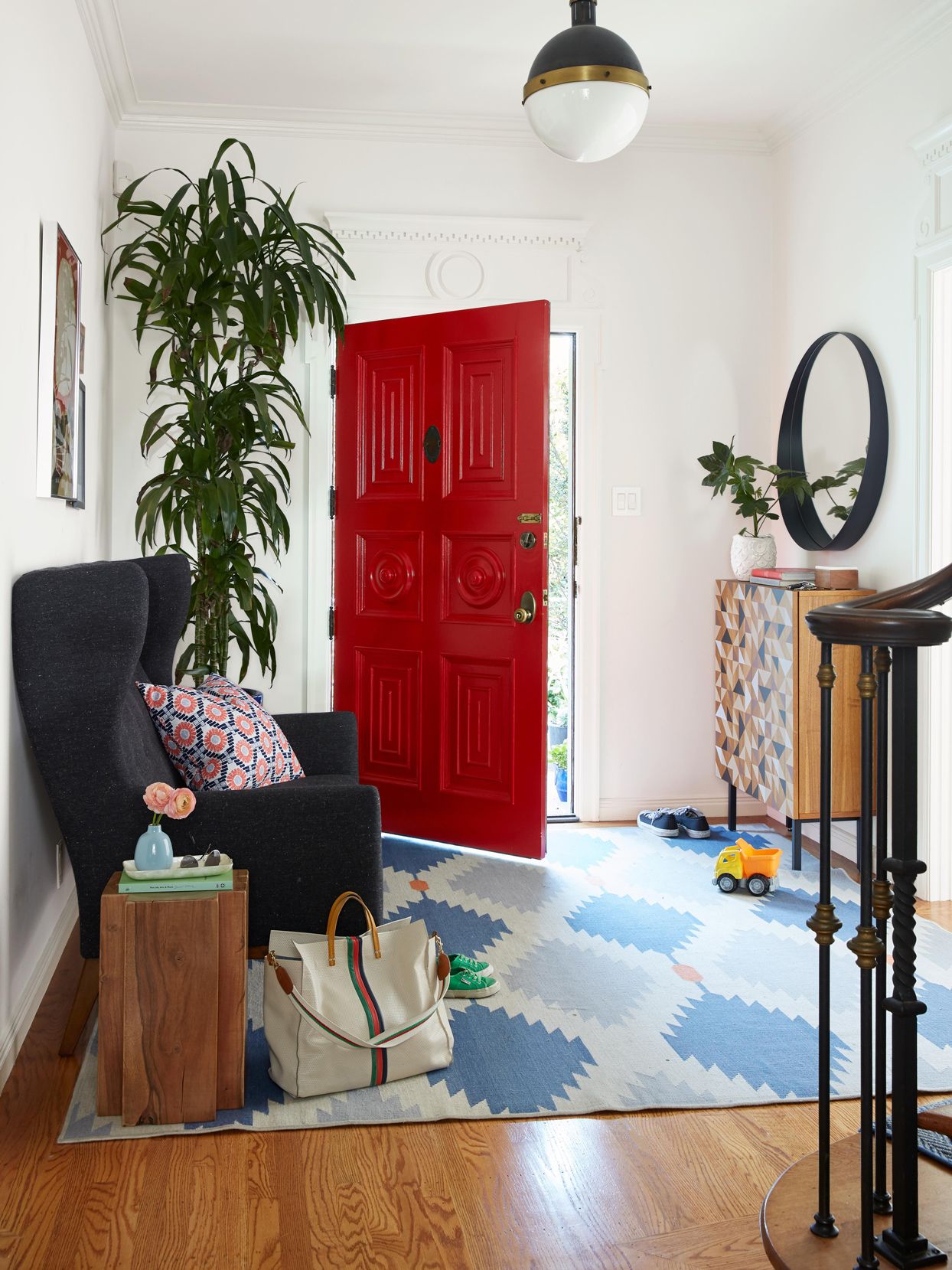
1. Stop outdoor allergens at the door.
Pollen particles cling to your shoes as you enter your home. To avoid tracking outdoor allergens inside, create a spot to remove shoes in the entryway. Implement a no-shoes policy and use an indoor mat to catch footwear right inside the door. Vacuum this area often during allergy season. Place a doormat outside (a water-resistant coir mat works well) to wipe off shoes before you cross the threshold.
2. Shed layers.
For serious allergy sufferers, remove as much clothing as you can as soon as you come inside. Leave jackets, scarves, and hats in your entryway or a closet. For those times when your kid has been playing flag football or you've been working in the yard, keep a hamper nearby (perhaps hidden in the coat closet or a mudroom) so you can isolate dirty clothing until it's time to do laundry. Remember to wash clothing on hot to kill allergens. 
3. Wash away allergens.
Ideally, anyone with allergies who's been outdoors for a while should head straight to the shower after coming inside. If that sounds too laborious or you don't have time, try to wash your face and eyelids (eyelashes catch a lot of pollen) with a mild, fragrance-free cleanser, suggests Amy Shah, M.D., a board-certified allergist and immunologist and internal medicine physician in Phoenix.
4. Consider allergen-resistant flooring.
Wood and tile are ideal floorings for allergy sufferers. With the exception of cigarette smoke, "mold is the main problem indoors for many folks," says David Corry, M.D., professor of medicine in the section of immunology, allergy, and rheumatology at Baylor College of Medicine in Houston. "Even if you're not allergic to mold, it can get into your airways, start growing, and increase the risk of developing allergies, asthma, and chronic sinusitis."
If you love rugs, opt for short-pile or no-pile styles. (Thick, fluffy rugs trap allergens.) Short-weaves made from polypropylene or sisal are durable and easy to clean. Or splurge on wool, which is more resistant to mold than synthetics, Corry says.
5. Vacuum floors well.
No matter what covers your floor, remember to vacuum regularly and thoroughly. "Most people don't realize that the 'push' pass is a positioning move and the 'pull' pass is the one that actually does the cleaning job," says professional organizer and certified house cleaning technician Donna Smallin Kuper. "So slow down on the pull."
And be sure to buy a vacuum cleaner with HEPA filtration, which traps even the tiniest particles. A cyclonic vacuum that spins dirt away is also a good choice. If you have wall-to-wall carpeting, get it deep-cleaned (think steam cleaning or dry cleaning) on a regular basis if you're serious about nixing dust mites, she adds.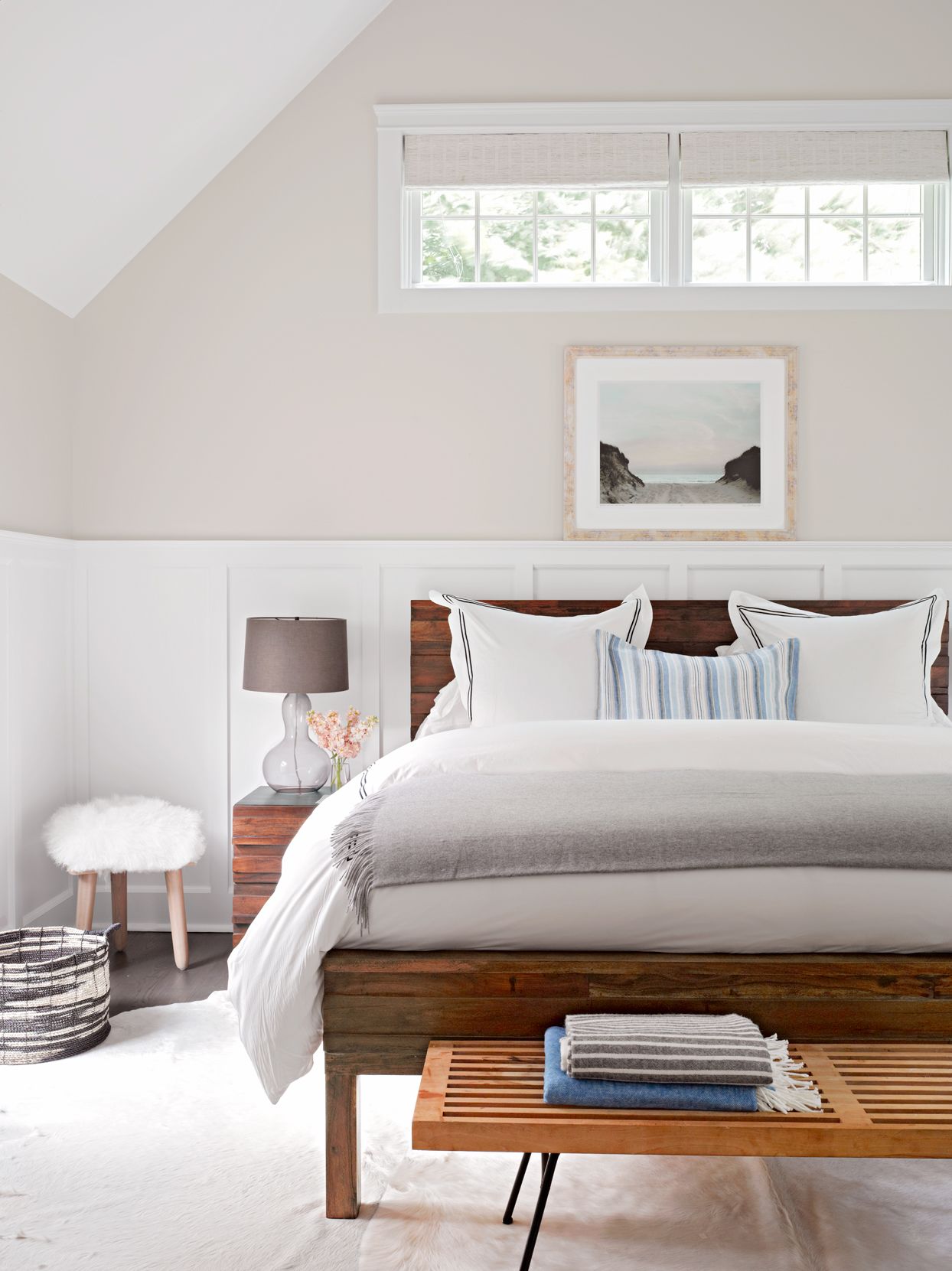
6. Clean fabric upholstery often.
Like carpet, fabric upholstery is a magnet for allergens. If your symptoms are bad and you can afford to redecorate, go for leather or faux leather. Pollen, dust, and dander should wipe right off. Otherwise, cover your sofa with a machine-washable slipcover and launder it (along with throws and pillow covers) weekly.
7. Choose houseplants carefully.
Most indoor plants don't contain the type of pollen that plagues seasonal allergy sufferers, and they may even help clean the air by absorbing volatile organic compounds (VOCs), lab studies show. That said, plants can promote mold growth and collect dust. Occasionally, Elliott says, there can also be cross-reactivity between indoor plants and common outdoor allergens, meaning they might share similar proteins that can make you sneeze. If you're determined to bring some greenery indoors, you'll need to experiment to see what works for you.
8. Use an air purifier.
Keeping windows closed, running the AC, and banning pets from the bedroom should help if you're waking up congested, but you might want to take things to the next level with an air purifier. "Air purifiers are often noisy," Corry says. "When you leave the room in the morning, turn it on and close the door behind you."
When shopping for an air purifier, check the Clean Air Delivery Rate (CADR). The higher the CADR, the faster the unit filters air. A HEPA filter is the gold standard for air purifiers because it's been around since the '50s and has been shown to trap teeny allergens. You should also make sure the product can handle the size of the room you plan to use it in.
9. Ditch bedroom dust.
Getting rid of all the dust in your bedroom is impossible, but you can get pretty close. Start by removing decorative throw pillows and fabric curtains (since most are not washable), then pick up some dust-mite-proof encasements for your mattress and pillows. Remember to wash your bedding once a week on the hottest setting. "When dusting, always go from top to bottom, because that's how the dust settles," says Leah Segedie, author of Green Enough: Eat Better, Live Cleaner, Be Happier. "So start with the ceiling fan and finish with the floors.
10. Run the AC.
Cool breezes feel nice on your skin, but if you have seasonal allergies, opening windows means letting pollen inside. You're much better off keeping things sealed off in the bedroom, where you spend so much time, and turning on the air-conditioner, Elliott says. Just remember to change or clean the filters regularly (about once a month if you have a window unit and every three months if you have central air).