

What would happen if we stopped using plastic?
Of the 8,300 million tonnes of virgin plastic produced up to the end of 2015, 6,300 million tonnes has been discarded. Most of that plastic waste is still with us, entombed in landfills or polluting the environment. Microplastics have been found in Antarctic sea ice, in the guts of animals that live in the deepest ocean trenches, and in drinking water around the world. In fact, plastic waste is now so widespread that researchers have suggested it could be used as a geological indicator of the Anthropocene.
But what if we could wave a magic wand and remove all plastics from our lives? For the sake of the planet, it would be a tempting prospect – but we'd quickly find out just how far plastic has seeped into every aspect of our existence. Is life as we know it even possible without plastic?
Humans have been using plastic-like materials, such as shellac – made from a resin secreted by lac insects – for thousands of years. But plastics as we know them today are a 20th Century invention: Bakelite, the first plastic made from fossil fuels, was invented in 1907. It wasn't until after World War Two that production of synthetic plastics for use outside the military really took off. Since then, plastic production has increased almost every year, from two million tonnes in 1950 to 380 million tonnes in 2015. If it continues at this rate, plastic could account for 20% of oil production by 2050.
Today, the packaging industry is by far the biggest user of virgin plastic. But we also use plastic in plenty of longer-lasting ways too: it's in our buildings, transport, and other vital infrastructure, not to mention our furniture, appliances, TVs, carpets, phones, clothes, and countless other everyday objects.
All this means a world entirely without plastic is unrealistic. But imagining how our lives would change if we suddenly lost access to plastic can help us figure out how to forge a new, more sustainable relationship with it.
In hospitals, the loss of plastic would be devastating. "Imagine trying to run a dialysis unit with no plastic," says Sharon George, senior lecturer in environmental sustainability and green technology at Keele University in the UK.
Imagine trying to run a dialysis unit with no plastic – Sharon George
Plastic is used in gloves, tubing, syringes, blood bags, sample tubes and more. Since the discovery of variant Creutzfeldt–Jakob disease (vCJD) in 1996 – caused by misfolded proteins called prions that can survive normal hospital sterilisation processes – standard reusable surgical instruments have even been replaced by single-use versions for some operations. According to one study, a single tonsillectomy operation in a UK hospital can result in more than 100 separate pieces of plastic waste. While some surgeons have argued that single-use plastic is overused in hospitals, right now many plastic medical items are essential, and lives would be lost without them.
Some everyday plastic items are also vital for protecting health. Condoms and diaphragms are on the World Health Organization's list of essential medicines, and face masks – including plastic-based surgical masks and respirators, as well as reusable cloth masks – have helped slow the spread of the Covid-19 virus. "A mask that you have for Covid is related to our safety and the safety of others," says George. "The impact of taking that away could be loss of life, if you took it away on a big scale."
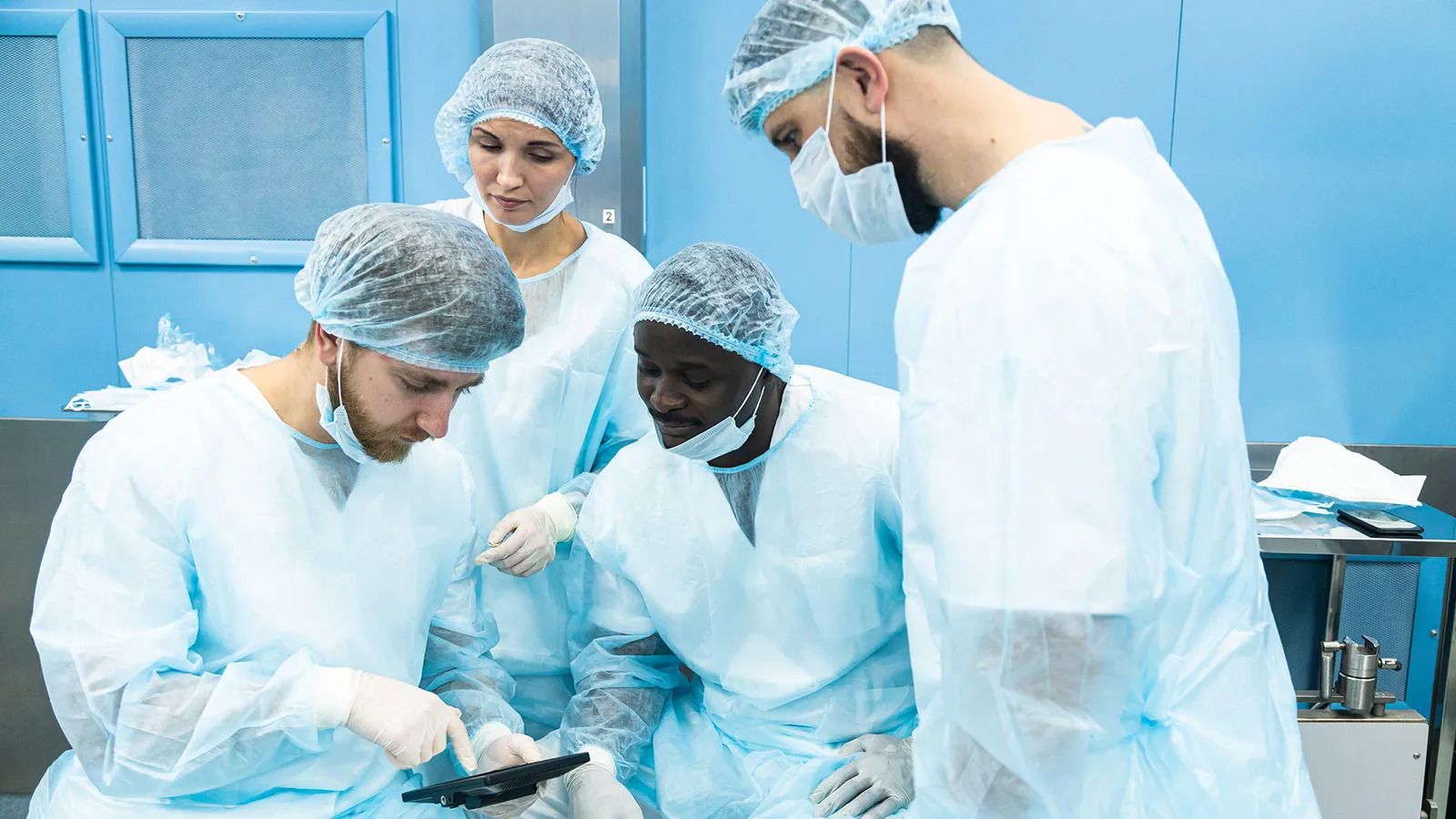 In hospitals, the loss of plastic would be devastating
Our food system would also quickly unravel. We use packaging to protect food from damage in transit and preserve it long enough to reach supermarket shelves, but also for communication and marketing. "I cannot imagine how [plastic] would be replaced completely in our system," says Eleni Iacovidou, a lecturer in environmental management at Brunel University London.
It's not just consumers that would need to change their habits – supermarket supply chains are optimised for selling packaged produce, and would need overhauling. In the meantime, highly perishable goods with long journeys between farm and supermarket, such as asparagus, green beans, and berries, might end up left in fields, unpicked.
If we could solve those supply chain issues, fruit and vegetables could be sold loose, but we might need to shop more frequently. Research by UK waste reduction charity WRAP found that plastic packaging extended the shelf life of broccoli by a week when kept in the fridge, and bananas 1.8 days at room temperature – though for apples, cucumber, and potatoes, the plastic made no difference. In fact, the research found that food waste could even be reduced by selling fruit and veg loose, as it allowed people to buy only what they needed.
Even tins of tomatoes and beans would be out – they have an inner plastic coating to protect the food – so we'd have to buy dried pulses in paper bags and cook them at home instead. "People have relied too much on getting the thing they need in the most convenient and easy way," says Iacovidou. "I think we need to get a little bit uncomfortable."
Swapping out plastic packaging would have knock-on environmental effects. While glass has some advantages over plastic, such as being endlessly recyclable, a one litre glass bottle can weigh as much as 800g compared to a 40g plastic one. This results in
glass bottles having a higher overall environmental impact
compared to plastic containers for milk, fruit juice, and fizzy drinks, for example. When those heavier bottles and jars need to be transported over long distances, carbon emissions grow even more. And if the vehicles they're transported in don't contain plastic, they themselves will be heavier, which means even more emissions.
In some ways, though, changing food packaging would be the easy part. You might buy milk in a glass bottle, but plastic tubing is used in the dairy industry to get that milk from cow to bottle. Even if you buy vegetables loose, sheets of plastic mulch may have helped the farmer who grew them save water and keep away weeds. Without plastic, industrial agriculture as we know it would be impossible.
Instead, we'd need shorter food chains – think farm shops and community-supported agriculture. But with over half of the global population now living in cities, this would require huge changes in where and how we grow food. It wouldn't be an impossible task, says Iacovidou, but "we have to devote the time to do it, and we have to also cut the amount of things that we eat".
 If we ditch synthetic clothing materials, cotton production would have to be scaled up significantly
Living without plastic would also require a shift in how we dress. In 2018, 62% of the textile fibres produced worldwide were synthetic, made from petrochemicals. While cotton and other natural fibres like hemp would be good substitutes for some of our clothing, scaling up production to match current demand would come with a cost. Cotton already grows on 2.5% of arable land worldwide, but the crop accounts for 16% of insecticide use, risking the health of farmers and contaminating water supplies. Without plastic, we'd need to ditch fast fashion in favour of more durable items we can wear again and again.
We'd also quickly run out of shoes. Before widespread synthetic plastics came along, shoes were often made out of leather. But today there are many more people on Earth, and we get through many more pairs each: 20.5 billion pairs of footwear were manufactured in 2020. "We couldn't go to leather shoes for every person on the planet… that's just not feasible," says George.
There would be upsides to a world without plastic, though: we'd escape the harmful effects it has on our health.
Turning oil and gas into plastic releases toxic gases that pollute the air and impact local communities. What's more, chemicals added during the production of plastics can disrupt the endocrine system, which produces hormones that regulate our growth and development. Two of the most well-studied of these endocrine disrupting chemicals (EDCs) are phthalates, used to soften plastic but also found in many cosmetics, and bisphenol A (BPA), used to harden plastic and commonly used in the lining of tins.
"While these phthalates or BPA are important for the structure of the plastic, they are not chemically bound to it," says Shanna Swan, professor of environmental medicine and public health at the Icahn School of Medicine at Mount Sinai in New York. That means when these chemicals are used in food packaging, they can leach into the food itself – and end up in our bodies.
Some phthalates can lower testosterone production, reducing sperm counts and increasing fertility problems in men. BPA, on the other hand, mimics oestrogen and has been linked with an increased risk of reproductive problems in women. But the effects extend beyond fertility. "The breadth of the potentially disruptive influences of EDCs is striking," writes Swan in her book, Count Down. "They have been linked to numerous adverse health effects in almost all biological systems, not just the reproductive system but also the immunological, neurological, metabolic, and cardiovascular systems."
Exposure to EDCs during critical periods of foetal growth can have long-lasting effects. "If the mother is pregnant, and she is exposed to plastics or other chemicals that alter the development of her foetus, those changes are lifelong, irreversible changes," says Swan. This means that, while going cold turkey on plastics would reduce our exposure, their effects would still be felt for at least the next two generations. "Your grandmother's exposure is relevant to your reproductive health and your health in general," says Swan.
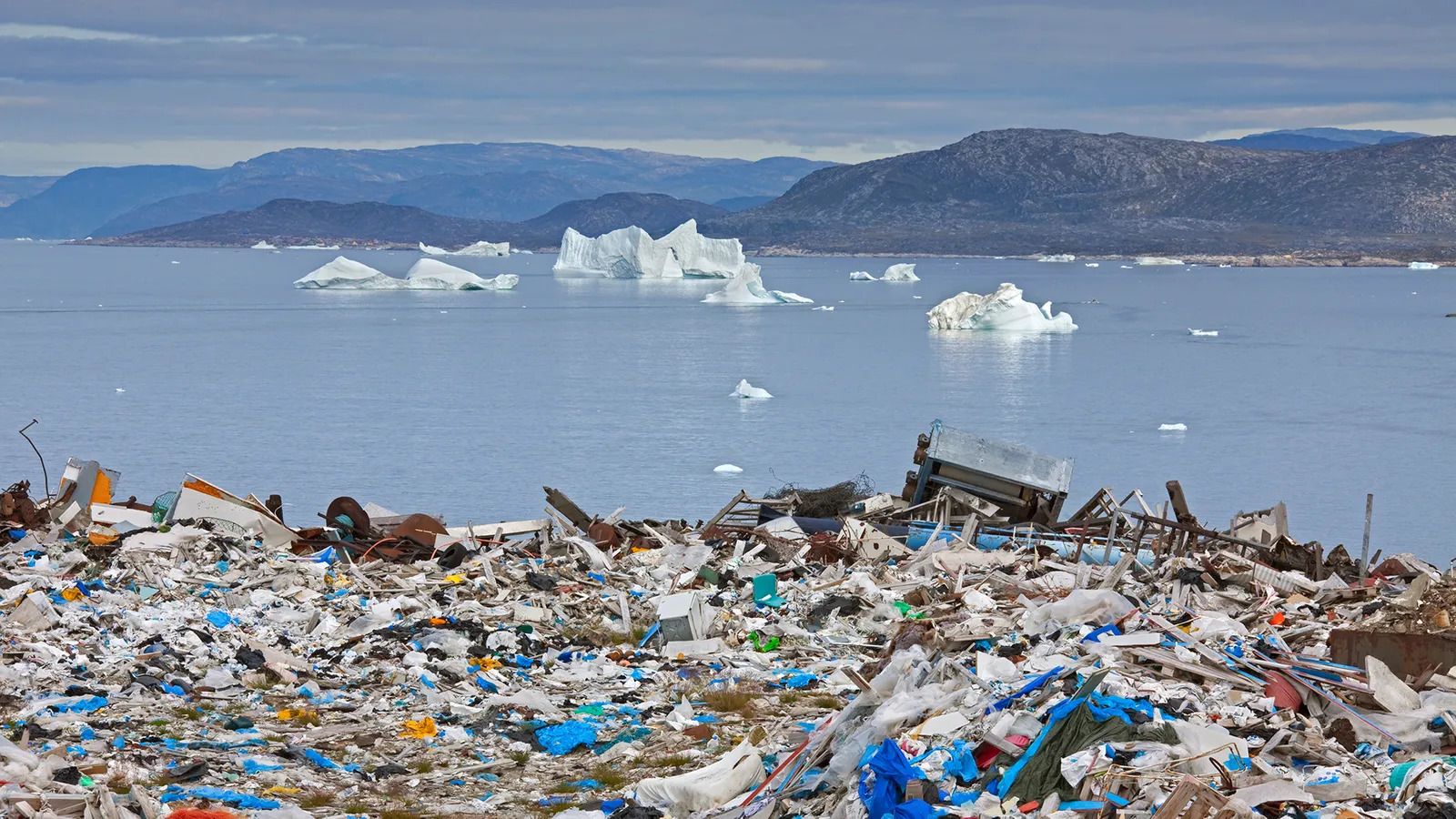 Plastics have been found in Antarctic sea ice and in the guts of animals living in the deep ocean
At some point, we'd want to address the plastic that's already in the oceans. Could we ever clean it all up? "You have some materials that are on the seafloor and they're not going to go anywhere, they're just part of the ecosystem," says Chelsea Rochman, assistant professor in the department of ecology and evolutionary biology at the University of Toronto. But with the floating plastics, she says, we have a fighting chance.
Researchers now think that most plastics floating in the ocean will eventually get washed up or buried along our shorelines. At the moment some of those shoreline plastics are removed with trash-traps and old fashioned beach cleans. Keeping that removal up would make a difference to marine wildlife. "You would have fewer animals washing up on the beach with plastics in their bellies, and less entanglement," says Rochman. "A lot of what's being ingested by animals is not the stuff that's in the deep sea, it's the coastal stuff."
Taking out bigger pieces of plastic waste would also stop them breaking up into microplastics. Most of the microplastics found away from coastlines are from the 1990s or earlier, suggesting that bigger pieces take decades to break down. That means if we simply stopped adding new plastic pollution to the oceans tomorrow, microplastics would continue to increase over the next decades – but by removing the existing debris as well, we could stop that surge. "Maybe we reach a time where every animal we pull out of the water doesn't have microplastics in it," says Rochman.
Maybe we reach a time where every animal we pull out of the water doesn't have microplastics in it – Chelsea Rochman
In a plastic-free world, making new kinds of plastic out of plants might start to look tempting.
Bio-based plastics that have many of the same qualities as petrochemical plastics are already in use. Corn starch-based polylactic acid (PLA), for example, is used to make straws are almost indistinguishable from their fossil fuel plastic counterparts – unlike paper straws that can end up soggy before you finish your drink. Bio-based plastics can be made from the edible parts of plants like sugar or corn, or from plant material that isn't fit for consumption, like bagasse, the pulp left over after crushing sugarcane. Some, but not all, bio-based plastics are biodegradable or compostable. But most of those plastics still need careful processing, often in industrial composting facilities, to ensure they don't persist in the environment – we can't just throw them into the sea and hope for the best.
Even if we did create the infrastructure to compost them, bio-based plastics might not be better for the environment – at least not right away. "I think initially we'd see all impacts increase," says Stuart Walker, a research fellow at the University of Exeter and author of a recent review looking at environmental impacts of bio-based and fossil fuel plastics.
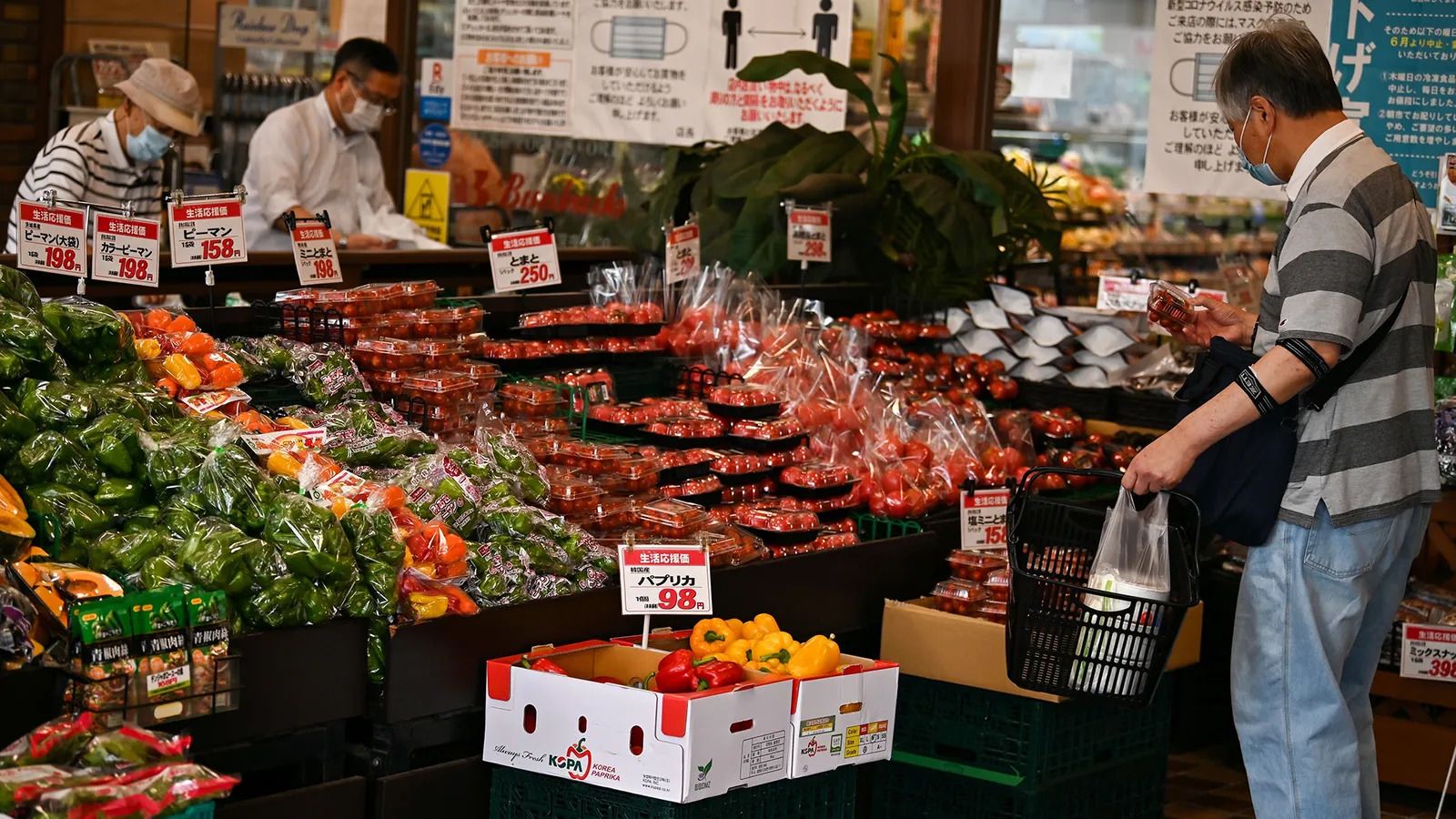 Supermarket supply chains are optimised for selling packaged produce and would need overhauling if we stopped using plastic
Clearing land for crops would impact ecosystems and biodiversity. Fertilisers and pesticides come with carbon emissions attached and can pollute local rivers and lakes. One study found that replacing fossil fuel plastics with bio-based alternatives could require between 300 and 1650 billion cubic metres of water (300-1650 trillion litres) each year, which is between 3 and 18% of the global average water footprint. Food crops could end up being used to produce plastic instead, risking food security. Once they have been grown, crops need more refining to reach the bio-based equivalent of crude oil, which requires energy, resulting in carbon emissions.
But trying to compare the environmental impacts of bio-plastics with conventional ones is tricky, not least because fossil fuel-based plastics have a head start. "We've been making these things for so long at such scale that we're really good at it," says Walker. "In time it would shift and we'd see that with bioplastics, the emissions would reduce." As countries around the world decarbonise their electricity supplies, the carbon emissions from producing bio-based plastics would decrease further.
However, making plastic from plants wouldn't necessarily solve health problems stemming from the material. While research on the topic is scarce, it's likely that similar additives to those used in conventional plastics would also be used in bio-based alternatives, Iacovidou says. This is because the properties the materials need are the same. "The fate of the additives is what concerns me the most," she says. If bio-based plastics are mixed with food waste and composted, whatever is in the plastic enters our food system.
It's clear that replacing one material with another won't solve all our plastic problems.
There's already a push to figure out which plastics are unnecessary, avoidable, and problematic, with several countries, including the US, UK, Australia, New Zealand and the Pacific Islands region, aiming to phase these out. To go even further than that, we could decide to only use plastics that we really, truly need. In a recent book chapter, George describes a framework to help us figure out which plastics are vital. By considering whether the item fulfils an essential need – such as food, shelter, or medicine – and also whether reducing the amount of material, or replacing the plastic with something else, would affect its use, we can start to see which plastics we can and cannot live without.
But these essential plastics are context-specific and not set in stone. In some places, the only safe drinking water comes in plastic, for example. "That means we need to develop drinking water infrastructure there so that we don't have to rely on packaged water, but right now that [plastic] is necessary," says Jenna Jambeck, professor of environmental engineering at the University of Georgia.
Thinking through the whole life cycle of any new materials, including what we do with them when they no longer serve their purpose, would be essential. "We’ve kind of forgotten that recycling isn't the gold standard of what we can do with stuff when we’re finished with it," says Walker.
Along with colleagues at the University of Sheffield, he investigated the environmental impacts of disposable and reusable takeaway containers. They found that a durable plastic container would only need to be used between two and three times to be better, in terms of climate impact, than a single-use polypropylene one, even taking into account washing. Stainless steel containers reached the same break-even point after 13 uses – takeaways, thankfully, wouldn't need to be a thing of the past in a plastic-free world.
The biggest shift we'd face, then, would be re-evaluating our throwaway culture. We'd need to change not just how we consume items – from clothes and food to washing machines and phones – but how we produce them too. "We're too quick to buy something cheap and disposable, where we ought to be making things so they are compatible, and there's more standardisation, so things can be swapped out and mended," says George.
Without plastic, we might even have to change the way we talk about ourselves. "Consumer is inherently a single-use term," says Walker. In a world where packaging is reused and repurposed, not thrown out, we might become citizens instead.
Perhaps we'd also discover that, for all the genuine good plastic has done, not all of the lifestyle changes it has enabled have been positive. If it's plastic packaging that allows us to grab lunch to eat on the go, and plastic-heavy devices that mean we are always contactable, without it our schedules might need to be a little less frantic. "If that was all taken away, life would slow down," says Jambeck. "Would that be such a bad thing?"