
Saudi-UAE Rivalry Looms Over African Union Summit as Red Sea Influence Intensifies
Competing Gulf investments and security ties in the Horn of Africa add geopolitical undercurrent to continental gathering
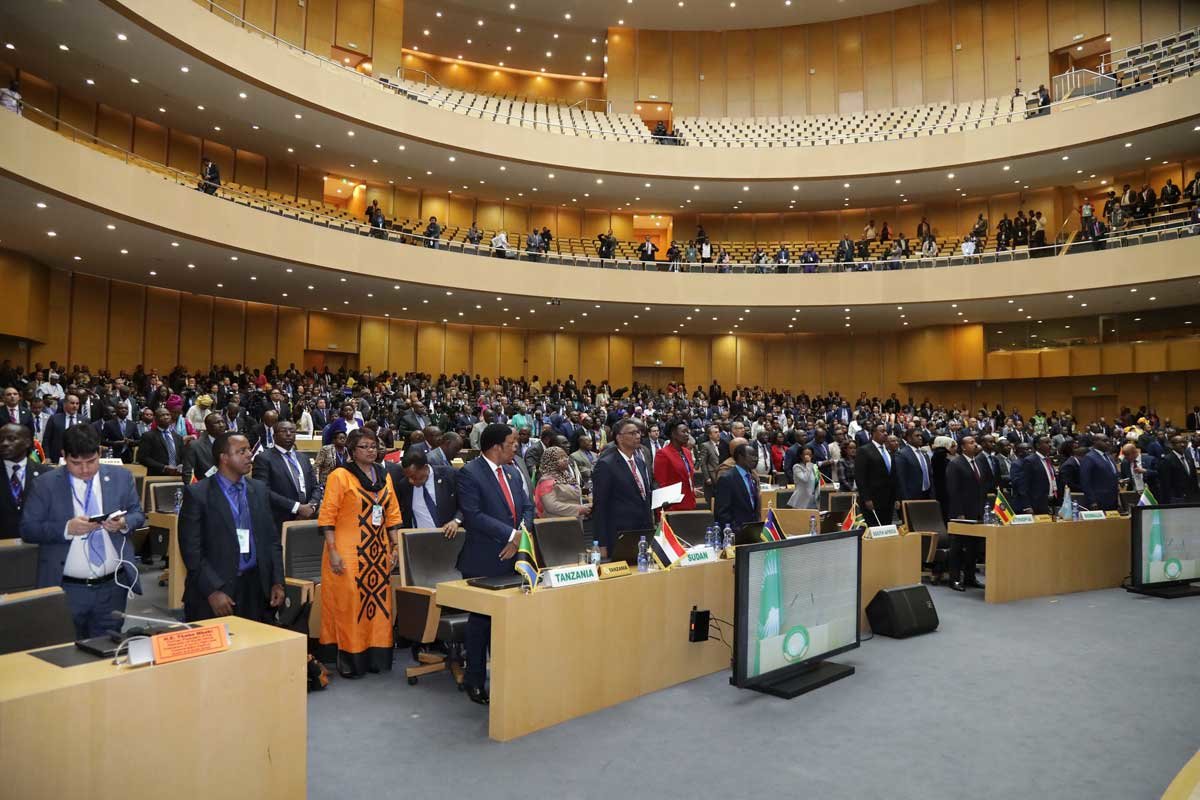
The annual African Union summit has been shaped not only by discussions on economic development and conflict resolution but also by the growing strategic competition between Saudi Arabia and the United Arab Emirates in the Horn of Africa and along the Red Sea corridor.
Diplomats and regional analysts say both Gulf states have expanded their economic and security engagement across East Africa in recent years, investing in ports, logistics hubs, energy projects and infrastructure.
While African governments broadly welcome foreign capital and development partnerships, the parallel expansion of Saudi and Emirati initiatives has introduced a layer of geopolitical sensitivity.
The Horn of Africa occupies a vital maritime position near the Bab el-Mandeb strait, a key chokepoint for global shipping.
Gulf states view stability and access in the region as essential to protecting trade routes and projecting economic influence.
Saudi Arabia has promoted multilateral frameworks aimed at enhancing Red Sea security coordination, positioning itself as a central convener among littoral states.
The UAE, meanwhile, has pursued commercial port concessions and bilateral security arrangements that deepen its operational footprint.
At the summit, African Union officials sought to emphasise continental sovereignty and strategic balance, underscoring that external partnerships must align with African priorities.
Several delegates privately expressed concern about overlapping projects and the risk of fragmentation if coordination mechanisms are not strengthened.
The rivalry reflects broader shifts in Gulf foreign policy, where economic diversification strategies are increasingly tied to overseas infrastructure and logistics investments.
For African nations, the competition presents both opportunity and complexity: access to capital and expertise on one hand, and the need to manage competing strategic interests on the other.
While the summit’s formal agenda focused on economic integration, peacebuilding efforts and institutional reform, the undercurrent of Gulf competition served as a reminder of how Africa’s geopolitical relevance continues to grow.
As external actors deepen their engagement, the continent’s leadership faces the task of ensuring that partnerships contribute to sustainable development rather than strategic imbalance.
Diplomats and regional analysts say both Gulf states have expanded their economic and security engagement across East Africa in recent years, investing in ports, logistics hubs, energy projects and infrastructure.
While African governments broadly welcome foreign capital and development partnerships, the parallel expansion of Saudi and Emirati initiatives has introduced a layer of geopolitical sensitivity.
The Horn of Africa occupies a vital maritime position near the Bab el-Mandeb strait, a key chokepoint for global shipping.
Gulf states view stability and access in the region as essential to protecting trade routes and projecting economic influence.
Saudi Arabia has promoted multilateral frameworks aimed at enhancing Red Sea security coordination, positioning itself as a central convener among littoral states.
The UAE, meanwhile, has pursued commercial port concessions and bilateral security arrangements that deepen its operational footprint.
At the summit, African Union officials sought to emphasise continental sovereignty and strategic balance, underscoring that external partnerships must align with African priorities.
Several delegates privately expressed concern about overlapping projects and the risk of fragmentation if coordination mechanisms are not strengthened.
The rivalry reflects broader shifts in Gulf foreign policy, where economic diversification strategies are increasingly tied to overseas infrastructure and logistics investments.
For African nations, the competition presents both opportunity and complexity: access to capital and expertise on one hand, and the need to manage competing strategic interests on the other.
While the summit’s formal agenda focused on economic integration, peacebuilding efforts and institutional reform, the undercurrent of Gulf competition served as a reminder of how Africa’s geopolitical relevance continues to grow.
As external actors deepen their engagement, the continent’s leadership faces the task of ensuring that partnerships contribute to sustainable development rather than strategic imbalance.