
Saudi-UAE Competition in Horn of Africa Casts Shadow Over African Union Summit
Regional power dynamics and Red Sea influence shape diplomatic tensions as leaders gather for annual talks
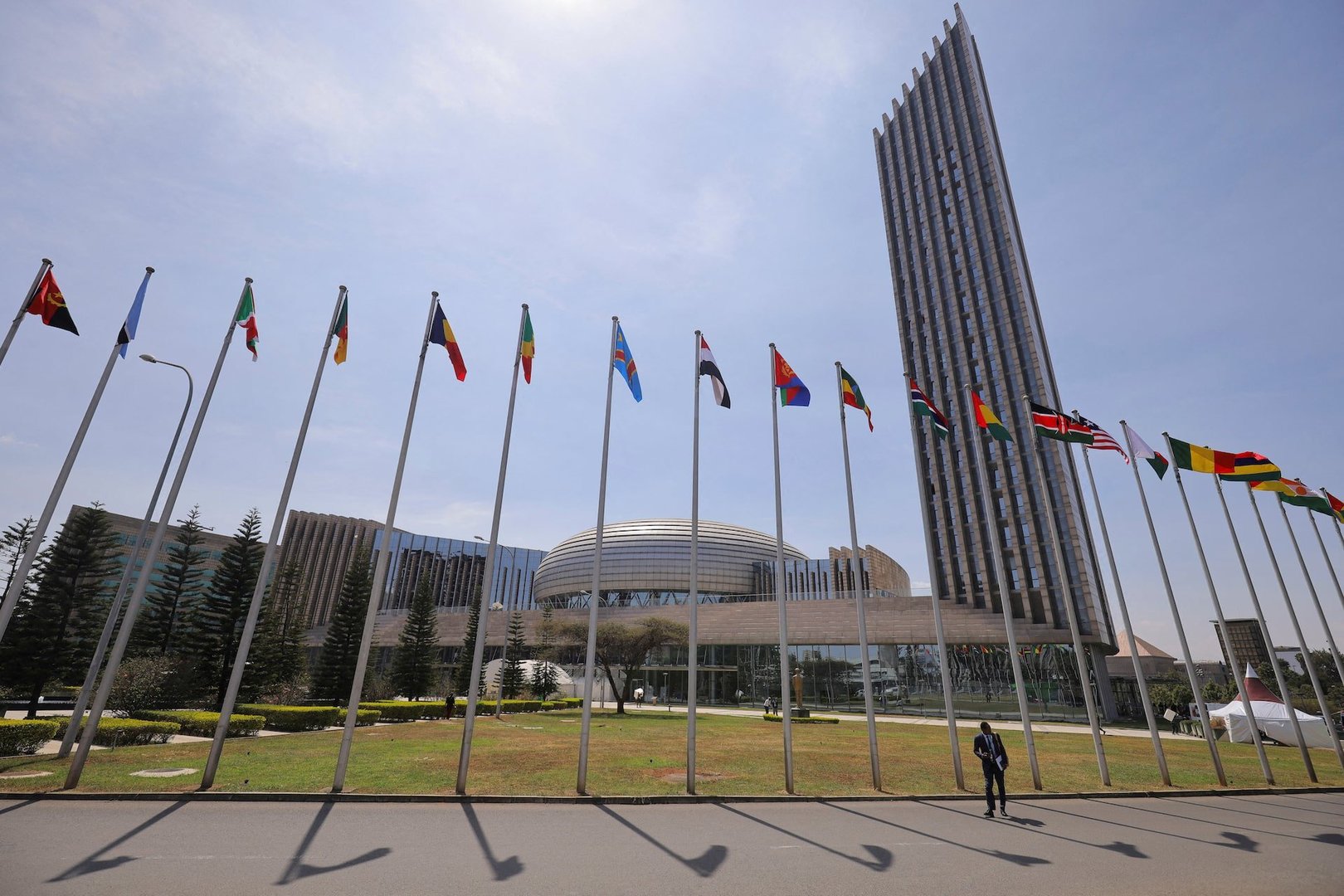
The African Union’s annual summit has unfolded against a backdrop of intensifying competition between Saudi Arabia and the United Arab Emirates for influence in the Horn of Africa, adding a strategic dimension to discussions otherwise focused on development, security and regional integration.
Diplomats attending the gathering said rival economic and security initiatives in countries bordering the Red Sea have sharpened sensitivities among member states, particularly as Gulf investments increasingly intersect with local political dynamics.
Both Riyadh and Abu Dhabi have expanded their footprint across ports, logistics corridors, energy projects and security partnerships in the Horn, a region seen as pivotal to global trade routes and maritime stability.
The Horn of Africa occupies a critical position along the Red Sea and the Bab el-Mandeb strait, through which a substantial share of global shipping passes.
Gulf states have sought to deepen ties with governments in Djibouti, Ethiopia, Eritrea and Somalia, offering infrastructure funding, military cooperation and development assistance.
While many African leaders welcome external investment, some have expressed concern about overlapping commitments and the risk of becoming arenas for broader geopolitical rivalries.
Saudi Arabia has positioned itself as a stabilising force in Red Sea security architecture, promoting multilateral coordination and development partnerships.
The kingdom has also convened forums aimed at strengthening maritime cooperation among littoral states.
The UAE, meanwhile, has pursued an assertive port development strategy and established a network of commercial and security agreements across the region.
At the summit, African Union officials sought to emphasise continental agency, underscoring the need for external partnerships to align with African priorities rather than external competition.
Discussions included calls for greater transparency in infrastructure agreements and for coordination mechanisms that prevent duplication or strategic friction.
Analysts note that the rivalry reflects broader shifts in Middle Eastern foreign policy, where Gulf states have moved beyond traditional energy diplomacy toward strategic investment and security engagement abroad.
For African governments, the challenge lies in balancing beneficial capital inflows with sovereign decision-making and long-term regional cohesion.
While the summit’s formal agenda centred on economic recovery, peace initiatives and institutional reform, the undercurrent of Gulf competition in the Horn illustrated how external power dynamics continue to shape Africa’s evolving geopolitical landscape.
Diplomats attending the gathering said rival economic and security initiatives in countries bordering the Red Sea have sharpened sensitivities among member states, particularly as Gulf investments increasingly intersect with local political dynamics.
Both Riyadh and Abu Dhabi have expanded their footprint across ports, logistics corridors, energy projects and security partnerships in the Horn, a region seen as pivotal to global trade routes and maritime stability.
The Horn of Africa occupies a critical position along the Red Sea and the Bab el-Mandeb strait, through which a substantial share of global shipping passes.
Gulf states have sought to deepen ties with governments in Djibouti, Ethiopia, Eritrea and Somalia, offering infrastructure funding, military cooperation and development assistance.
While many African leaders welcome external investment, some have expressed concern about overlapping commitments and the risk of becoming arenas for broader geopolitical rivalries.
Saudi Arabia has positioned itself as a stabilising force in Red Sea security architecture, promoting multilateral coordination and development partnerships.
The kingdom has also convened forums aimed at strengthening maritime cooperation among littoral states.
The UAE, meanwhile, has pursued an assertive port development strategy and established a network of commercial and security agreements across the region.
At the summit, African Union officials sought to emphasise continental agency, underscoring the need for external partnerships to align with African priorities rather than external competition.
Discussions included calls for greater transparency in infrastructure agreements and for coordination mechanisms that prevent duplication or strategic friction.
Analysts note that the rivalry reflects broader shifts in Middle Eastern foreign policy, where Gulf states have moved beyond traditional energy diplomacy toward strategic investment and security engagement abroad.
For African governments, the challenge lies in balancing beneficial capital inflows with sovereign decision-making and long-term regional cohesion.
While the summit’s formal agenda centred on economic recovery, peace initiatives and institutional reform, the undercurrent of Gulf competition in the Horn illustrated how external power dynamics continue to shape Africa’s evolving geopolitical landscape.