
Inside Saudi Arabia’s Transformation Drive: Ambition, Investment and the Test of Vision 2030
Economic diversification and social reform gather pace, but questions remain over sustainability and long-term returns
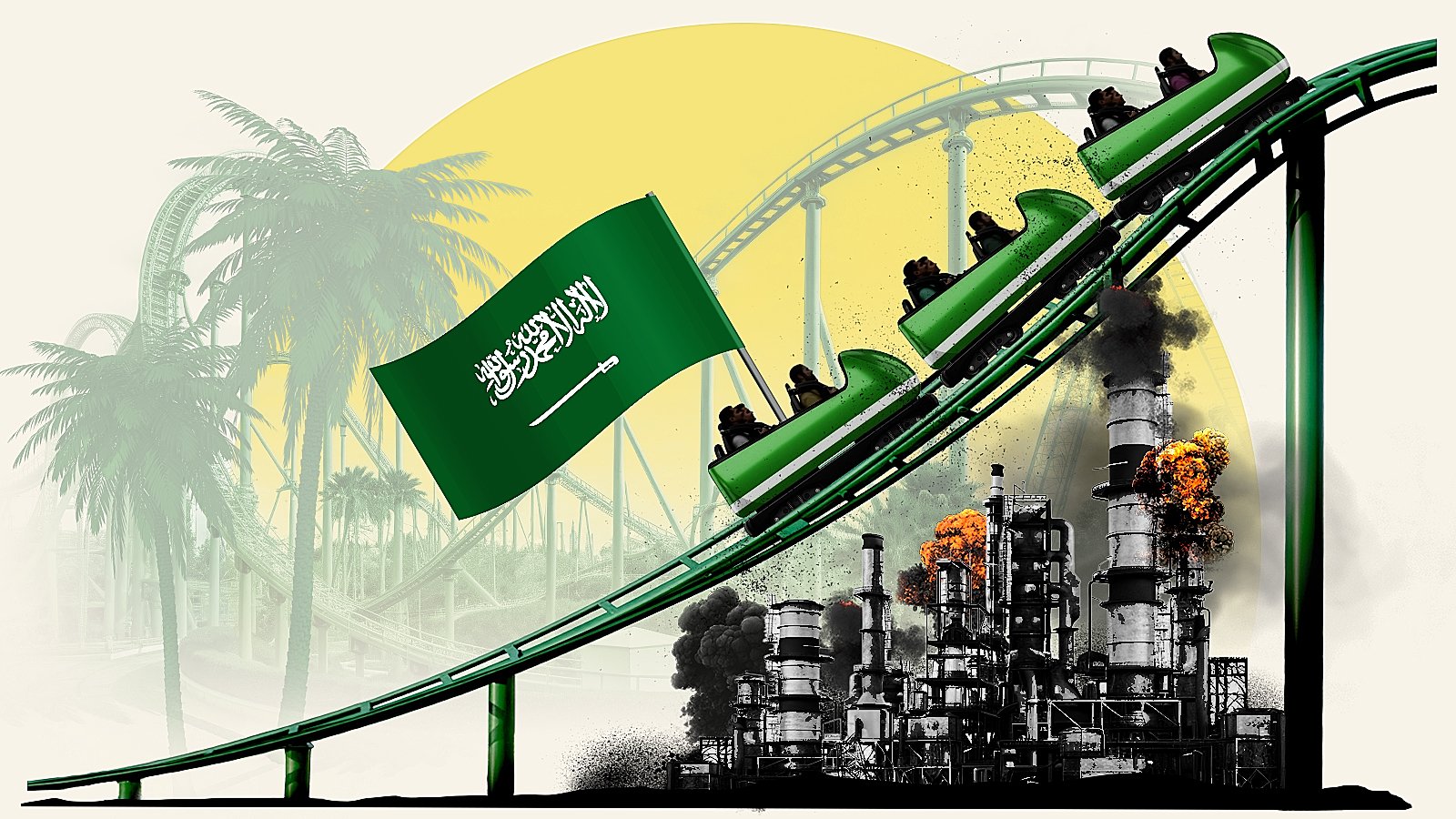
Saudi Arabia’s sweeping economic and social transformation programme is reshaping daily life and global perceptions of the kingdom, as multibillion-dollar projects rise from the desert and new industries take root under the banner of Vision 2030.
Launched to reduce dependence on oil and build a diversified economy, the reform agenda has delivered visible changes: women’s workforce participation has risen markedly, entertainment and tourism sectors have expanded, and foreign investment has been actively courted through high-profile events and incentives.
Mega-projects such as NEOM, the Red Sea development and large-scale cultural initiatives are intended to position the kingdom as a hub for technology, logistics and leisure.
Officials highlight strong non-oil sector growth, expanding private enterprise and record levels of international partnerships as evidence that the strategy is gaining traction.
The Public Investment Fund has become a central instrument in driving capital deployment across domestic infrastructure and global assets, reflecting a coordinated push to modernise the economy while preserving fiscal stability.
Urban centres such as Riyadh and Jeddah show clear signs of change, with new commercial districts, international events and lifestyle shifts reflecting a society opening up in carefully calibrated ways.
Youth employment and entrepreneurship programmes have been promoted as key pillars of the transition, aiming to harness the demographic profile of a predominantly young population.
Yet the scale of ambition carries challenges.
Analysts note that large infrastructure projects require sustained financing and efficient execution to generate long-term returns.
Oil revenues remain a critical buffer, particularly during periods of energy price volatility.
Questions also persist about balancing rapid social change with cultural continuity and maintaining investor confidence amid global economic uncertainty.
Supporters argue that the reforms represent one of the most comprehensive transformation efforts undertaken by a major energy producer in recent decades, pointing to improved regulatory frameworks, digitalisation initiatives and efforts to attract global talent.
Critics question whether some projects risk overextension or depend too heavily on continued high oil income.
On the ground, the transformation is tangible, with new industries emerging alongside traditional sectors.
Whether Saudi Arabia’s gilded revolution ultimately achieves its long-term objectives will depend on sustained policy execution, economic resilience and the kingdom’s ability to convert grand vision into durable, broad-based growth.
Launched to reduce dependence on oil and build a diversified economy, the reform agenda has delivered visible changes: women’s workforce participation has risen markedly, entertainment and tourism sectors have expanded, and foreign investment has been actively courted through high-profile events and incentives.
Mega-projects such as NEOM, the Red Sea development and large-scale cultural initiatives are intended to position the kingdom as a hub for technology, logistics and leisure.
Officials highlight strong non-oil sector growth, expanding private enterprise and record levels of international partnerships as evidence that the strategy is gaining traction.
The Public Investment Fund has become a central instrument in driving capital deployment across domestic infrastructure and global assets, reflecting a coordinated push to modernise the economy while preserving fiscal stability.
Urban centres such as Riyadh and Jeddah show clear signs of change, with new commercial districts, international events and lifestyle shifts reflecting a society opening up in carefully calibrated ways.
Youth employment and entrepreneurship programmes have been promoted as key pillars of the transition, aiming to harness the demographic profile of a predominantly young population.
Yet the scale of ambition carries challenges.
Analysts note that large infrastructure projects require sustained financing and efficient execution to generate long-term returns.
Oil revenues remain a critical buffer, particularly during periods of energy price volatility.
Questions also persist about balancing rapid social change with cultural continuity and maintaining investor confidence amid global economic uncertainty.
Supporters argue that the reforms represent one of the most comprehensive transformation efforts undertaken by a major energy producer in recent decades, pointing to improved regulatory frameworks, digitalisation initiatives and efforts to attract global talent.
Critics question whether some projects risk overextension or depend too heavily on continued high oil income.
On the ground, the transformation is tangible, with new industries emerging alongside traditional sectors.
Whether Saudi Arabia’s gilded revolution ultimately achieves its long-term objectives will depend on sustained policy execution, economic resilience and the kingdom’s ability to convert grand vision into durable, broad-based growth.