Houthi Finance Minister Claims Saudi Arabia Holds Yemen Salaries Amid Escalating Hardship
Senior Houthi official asserts that Saudi Arabia and allied forces are blocking payments while Yemenis face deepening economic distress
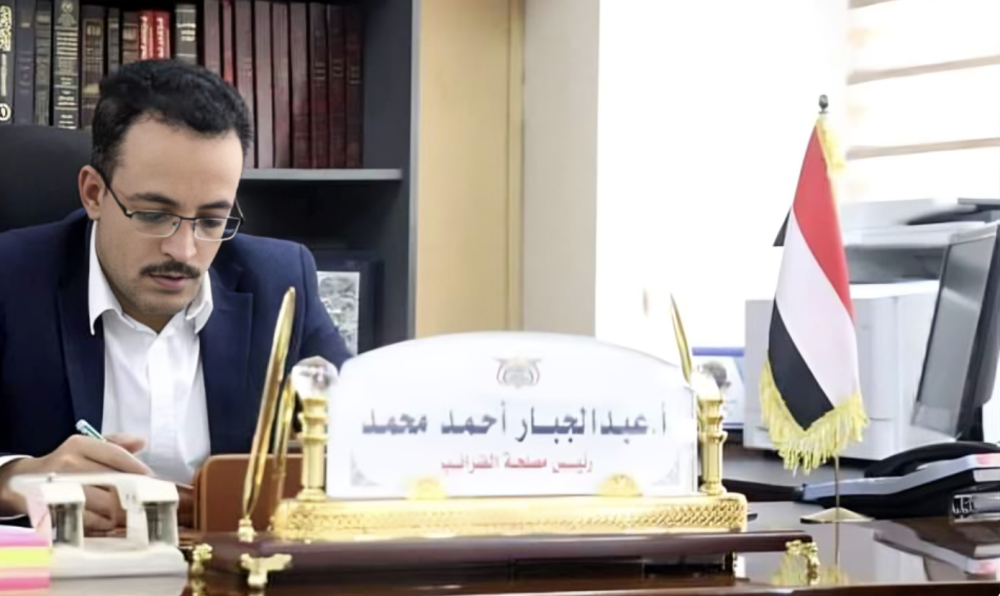
In Sanaa on Sunday, Abduljabbar Ahmed, the finance minister in the Houthi administration, said that the salaries of state employees in territories under Houthi control are effectively being withheld “with Saudi Arabia and its mercenaries” and that local authorities lack the resources to generate funds independently.
He stated, “Only God creates from nothing,” in response to mounting criticism over suspended wages and widespread hardship among ordinary Yemenis.
Ahmed’s remarks came as frustration grows over the failure to deliver regular public sector pay amid a protracted conflict that has devastated the economy.
The Houthi leader’s comments reflect deepening tensions over the impasse in salary payments that has long plagued Yemen’s fractured governance landscape.
Civil servants in areas controlled by the Houthis have now gone years without consistent pay, contributing to acute economic distress and increasing reliance on informal labor and humanitarian aid.
International assessments indicate that only a small fraction of residents in these areas continue to rely on monthly wages, with the majority dependent on casual work or food assistance as salaries have effectively stalled.
Saudi Arabia, which leads the coalition backing Yemen’s internationally recognised government in Aden, has repeatedly made financial support a central element of efforts to stabilise the south and encourage a political settlement.
Riyadh has provided substantial budgetary assistance to the Aden-based government to cover civil servant salaries and public expenditures, framing this support as part of its commitment to Yemen’s economic stability and broader peace process.
The dispute over who should fund salaries has been a contentious issue in negotiations between the Houthis and Saudi Arabia, with the Houthi leadership insisting that external parties bear responsibility for restoring wages in the absence of local resources.
The Yemeni government and its backers argue that the Houthis control key revenue-generating areas and should facilitate wage disbursement as part of confidence-building measures.
As the holy month of Ramadan approaches, Yemen’s economic pressures are intensifying.
Rising food prices, currency volatility and restricted access to essential services have placed additional strain on millions of Yemenis.
The finance minister’s remarks are likely to reverberate across Yemen’s divided political landscape, underscoring the challenges that any peace negotiations must confront in addressing the livelihoods of ordinary citizens who have endured years of conflict and deprivation.
He stated, “Only God creates from nothing,” in response to mounting criticism over suspended wages and widespread hardship among ordinary Yemenis.
Ahmed’s remarks came as frustration grows over the failure to deliver regular public sector pay amid a protracted conflict that has devastated the economy.
The Houthi leader’s comments reflect deepening tensions over the impasse in salary payments that has long plagued Yemen’s fractured governance landscape.
Civil servants in areas controlled by the Houthis have now gone years without consistent pay, contributing to acute economic distress and increasing reliance on informal labor and humanitarian aid.
International assessments indicate that only a small fraction of residents in these areas continue to rely on monthly wages, with the majority dependent on casual work or food assistance as salaries have effectively stalled.
Saudi Arabia, which leads the coalition backing Yemen’s internationally recognised government in Aden, has repeatedly made financial support a central element of efforts to stabilise the south and encourage a political settlement.
Riyadh has provided substantial budgetary assistance to the Aden-based government to cover civil servant salaries and public expenditures, framing this support as part of its commitment to Yemen’s economic stability and broader peace process.
The dispute over who should fund salaries has been a contentious issue in negotiations between the Houthis and Saudi Arabia, with the Houthi leadership insisting that external parties bear responsibility for restoring wages in the absence of local resources.
The Yemeni government and its backers argue that the Houthis control key revenue-generating areas and should facilitate wage disbursement as part of confidence-building measures.
As the holy month of Ramadan approaches, Yemen’s economic pressures are intensifying.
Rising food prices, currency volatility and restricted access to essential services have placed additional strain on millions of Yemenis.
The finance minister’s remarks are likely to reverberate across Yemen’s divided political landscape, underscoring the challenges that any peace negotiations must confront in addressing the livelihoods of ordinary citizens who have endured years of conflict and deprivation.