

Arab League summit offers unique opportunity to end Sudan conflict, says Djibouti FM
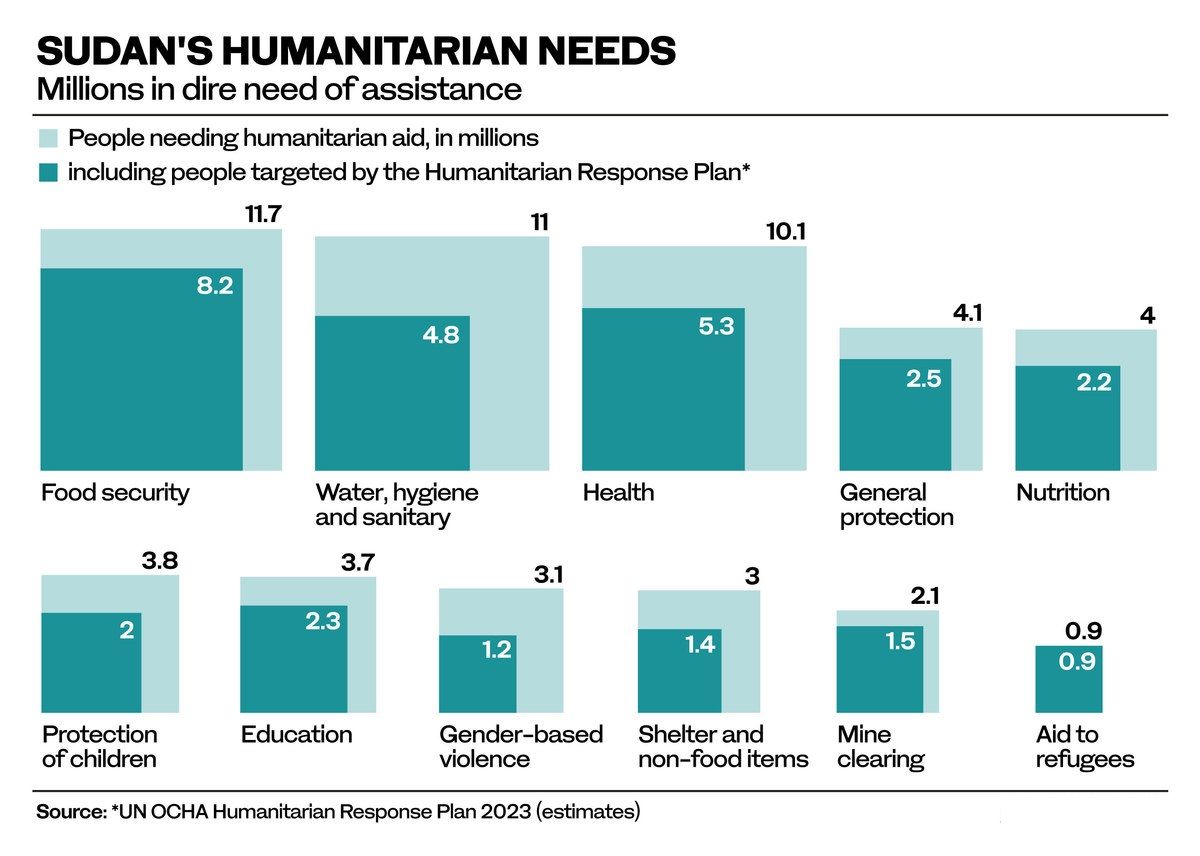
Sudan, itself an Arab League member, has been rocked by more than a month of fighting between the Sudanese Armed Forces and the paramilitary Rapid Support Forces, displacing hundreds of thousands and killing hundreds.
“The conflict in Sudan is extremely serious,” Ali Youssouf, who has served as Djibouti’s minister of foreign affairs since 2005, said in a Zoom interview this week.
“Serious in the sense that there are two armies, both well-equipped militarily, engaging in combat in urban areas, specifically in the capital, resulting in damage, the loss of human life, and the displacement of the population.
“The gravity of this conflict in terms of magnitude, I believe, is beyond doubt.”
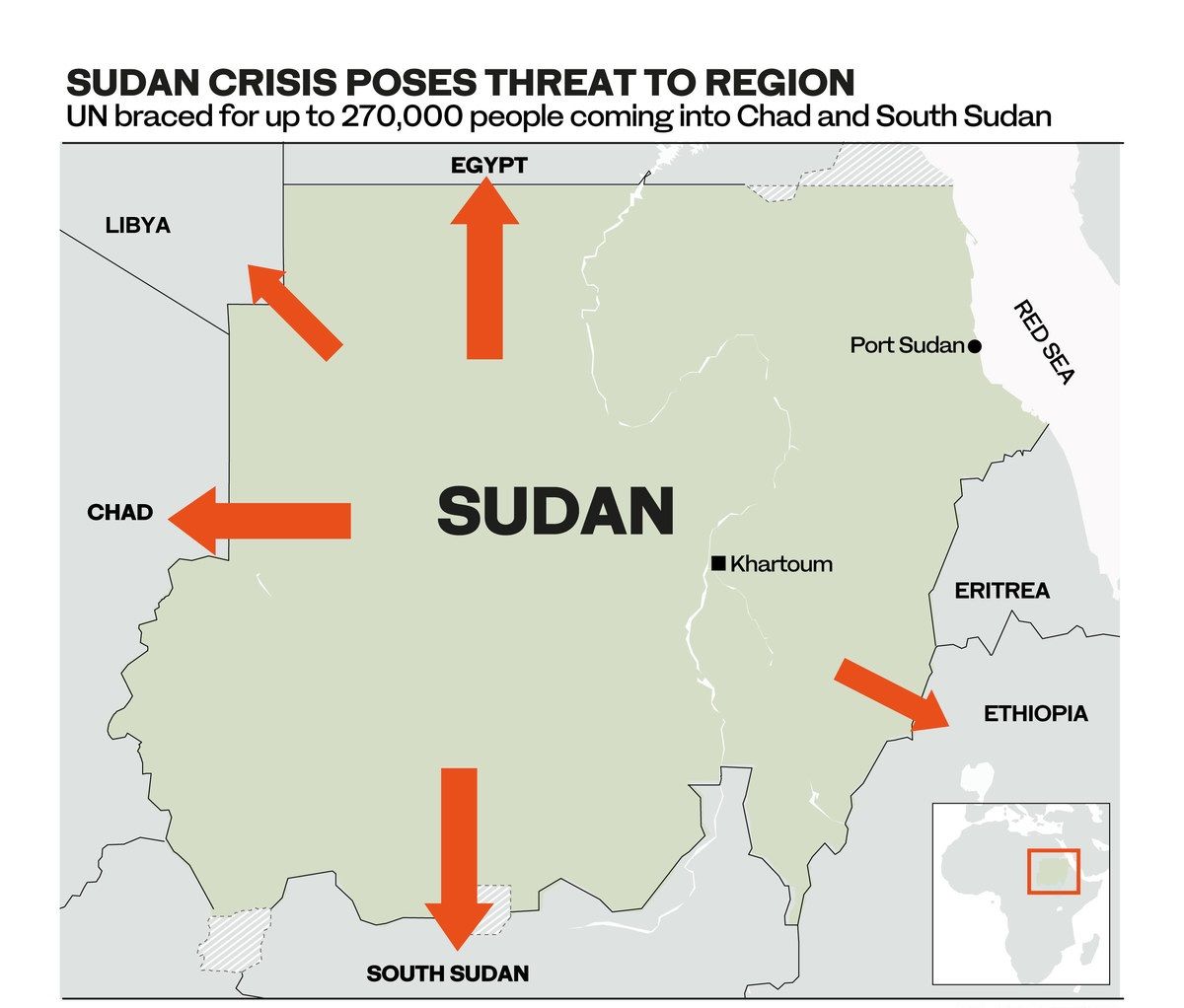
Saudi Arabia has played a leading role in the evacuation of foreign nationals and mediation efforts to broker a ceasefire. Commending the Saudi effort, Ali Youssouf said the Arab League must now collectively apply pressure on the warring parties.
“A unique opportunity presents itself now for pressure to be exerted by Arab heads of state on the belligerents and stakeholders in Sudan to stop the conflict, establish a ceasefire, open humanitarian corridors and strive to get the political process back on track,” he said.
“This is the opportunity that our heads of state must seize to exert maximum pressure on Sudanese leaders.” He added: “I believe that the Arab League summit should come out with a firm resolution.”
Djibouti is a small, strategically located country on the northeast coast of the Horn of Africa, situated on the Bab El-Mandeb Strait, which lies to the east and separates the Red Sea from the Gulf of Aden. It joined the Arab League in 1977.
Given its location at the meeting point between the Middle East and Africa, and as the site of multiple military bases and commercial hubs belonging to rival world powers, Djibouti’s foreign policy is uniquely multifaceted.
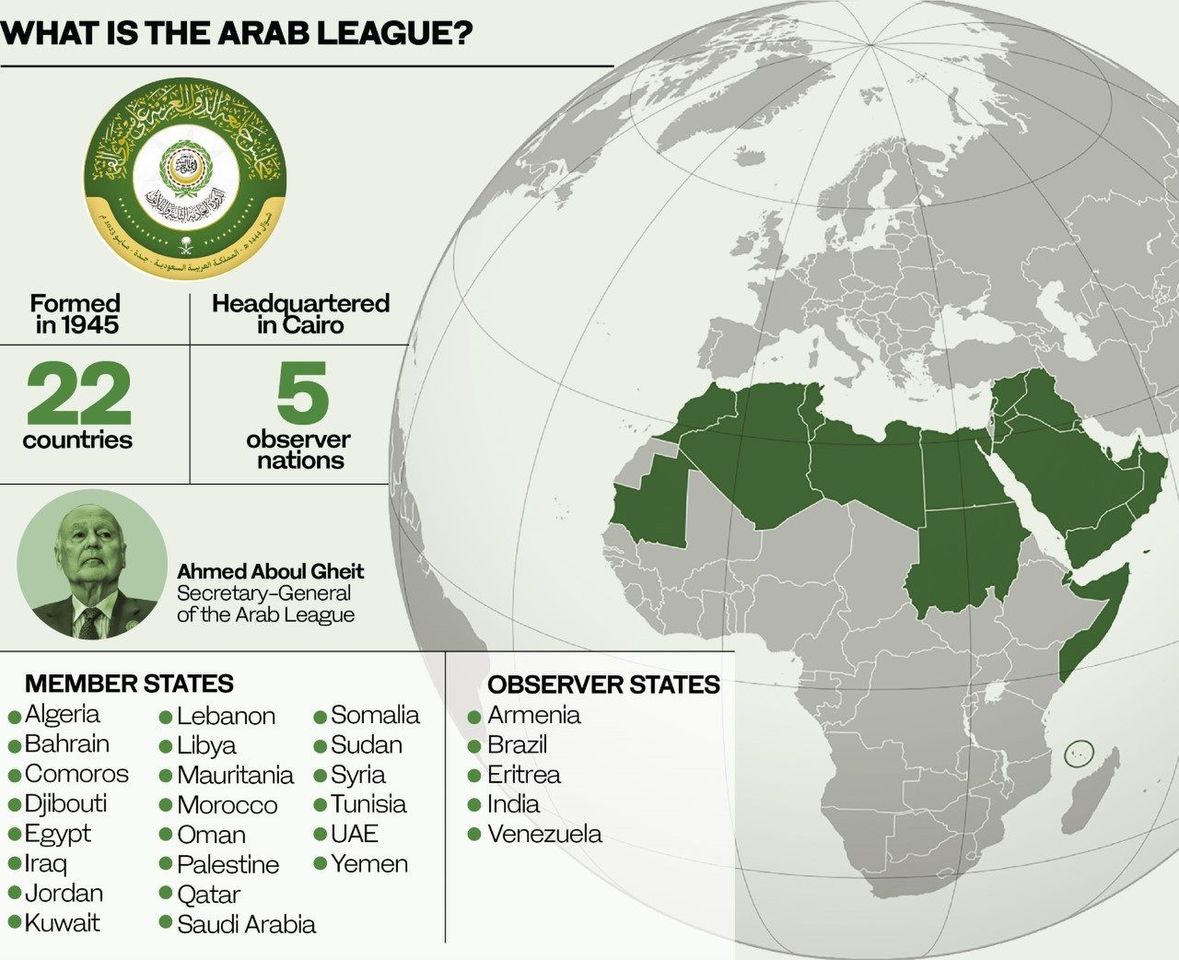
This perspective has no doubt colored Djibouti’s stance on another key feature of Friday’s summit — the first to include the government of President Bashar Assad of Syria since his nation’s suspension from the Arab League in 2011.
“First, I can assure you that Djibouti has not set any conditions for (Syria’s) reintegration,” said Ali Youssouf.
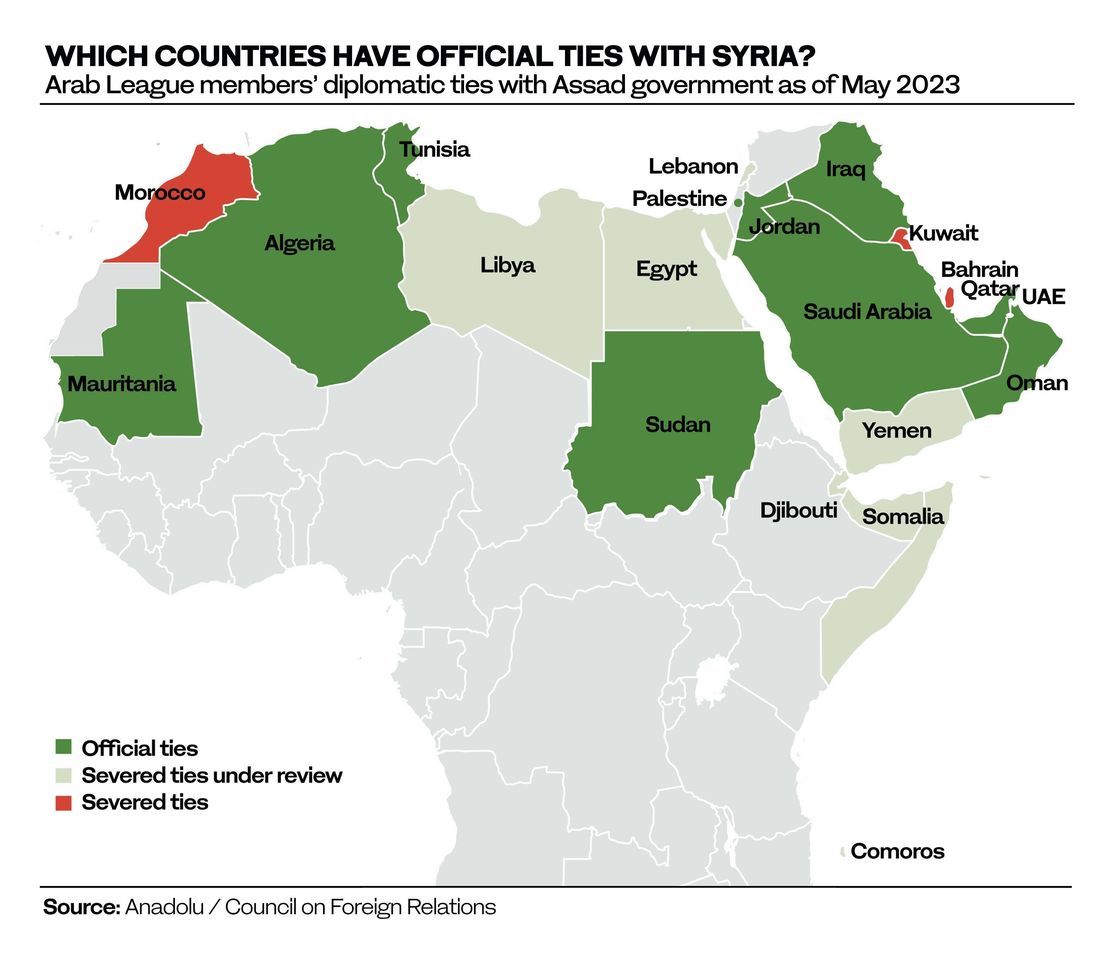
“We believe that Syria, as a founding member of the Arab League, has always had a central role… It is truly a central country that has always been at the center of Arab League actions. That is the first element.
“The second element is that geopolitics are changing. Regional geopolitics in the Middle East are dynamic, not static. And I believe that today, it is time for Syria to regain its seat because Syria is still a key player, not only within the Arab League but in the Middle East region. It is a country that cannot be ignored.”
Common concerns among Arab leaders about Syria’s reintegration are security, given the continued presence of Daesh extremists on its territory, refugee rights, and the ongoing sanctions leveled against Assad by the Arab world’s Western allies.
“Of course, the pending issues will be the subject of discussions between the heads of state and the Arab leaders who will certainly address the grievances or conditions raised by some in an attempt to resolve them through dialogue,” Ali Youssouf added.
Furthermore, he views Friday’s summit as an opportunity to consolidate recent improvements in Arab relations with Iran following the Chinese-brokered thaw between Riyadh and Tehran earlier this year.
“I believe it is in the interest of Middle Eastern countries that this antagonism that exists between Iran and Arab countries finds a solution,” said Ali Youssouf.
“Iran often used factions and terrorist groups to pursue a certain policy in Middle Eastern Arab countries. Arab countries have always employed a policy of what is called ‘containment,’ trying to contain to some extent Iran’s actions in Arab countries.
“I believe that this time, reason may have prevailed. Thanks to Chinese mediation, Iran and Saudi Arabia have restored their diplomatic relations and we are already seeing the consequences in terms of security and political situations in a number of countries.”
For Ali Youssouf, the Arab League summit is also an opportunity to demonstrate the growing appetite for Arab unity and leadership on the world stage — leadership he believes can be provided by Egypt and Saudi Arabia.
“I think we need leadership,” he said. “Arab countries can unite and become strong if there is leadership from the Arab world — a leading country that can assume this responsibility against all odds.”
He added: “We need, in the Arab world, one or two countries that can be the driving forces behind this unification. I believe it is through their strength, their cohesion, that these two countries can lead this campaign of strengthening Arab relations for a better future for Arab peoples.
“I’m thinking of Saudi Arabia and Egypt. These two countries can play a role, I would say, as locomotives, and it is very important that the relations between Egypt and Saudi Arabia are strong to pull all the others toward the future that we, the Arab peoples…desire and call for.”