Saudi Press

Saudi Arabia and the world
Monday, Nov 23, 2026

U.S.–Iran Tensions Escalate as Renewed Attacks Strain Fragile Regional Ceasefire

U.S.–Iran Tensions Escalate as Renewed Attacks Strain Fragile Regional Ceasefire

Exchange of threats follows strikes on regional targets, raising risk of wider conflict despite efforts to preserve uneasy calm
The United States and Iran are engaged in a renewed cycle of confrontation driven by a series of attacks across the Middle East that are testing a fragile and informal ceasefire framework designed to prevent direct escalation between the two adversaries.

What is confirmed is that recent strikes targeting U.S.-linked assets and regional infrastructure have triggered sharp rhetorical exchanges between Washington and Tehran.

U.S. officials have attributed some of the attacks to Iran-backed militia groups operating in Iraq and Syria, while Iran has rejected direct responsibility and warned against retaliation.

The result is a familiar but dangerous pattern: indirect confrontation through proxies combined with increasingly explicit public threats.

The underlying mechanism is a shadow conflict that relies on deterrence rather than formal agreements.

Over the past year, the U.S. and Iran have maintained a de facto understanding aimed at limiting escalation.

This arrangement has involved reduced direct attacks on U.S. forces, constrained militia activity, and calibrated responses from Washington.

The current surge in incidents suggests that this balance is under strain.

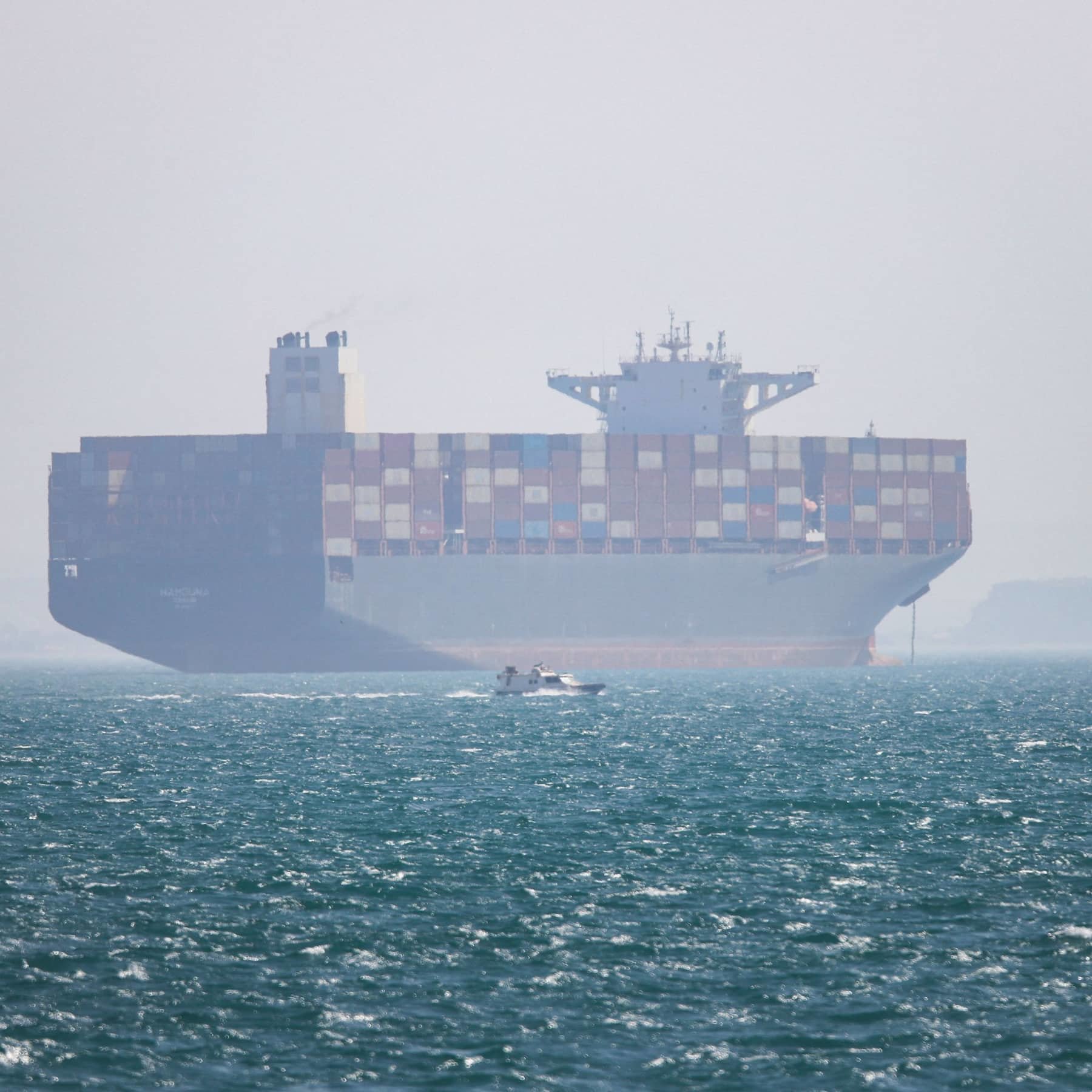
Recent attacks have targeted logistics hubs, military positions, and shipping routes, reflecting the geographic spread of the confrontation.

In response, U.S. forces have conducted limited retaliatory strikes against militia infrastructure.

These responses are designed to signal resolve without triggering a broader war, but they also risk prompting further retaliation from groups aligned with Iran.

Iran’s position remains strategically ambiguous.

It maintains that regional militias act independently, while continuing to support them politically and materially.

This dual posture allows Tehran to exert pressure on U.S. interests while preserving deniability, complicating Washington’s ability to calibrate its response.

The stakes are immediate and structural.

Any breakdown of the current restraint could disrupt critical shipping lanes, threaten energy infrastructure, and destabilize already fragile states in the region.

It also intersects with wider geopolitical tensions, including ongoing conflicts and shifting alliances that amplify the risk of miscalculation.

Diplomatic channels remain active but limited.

Backchannel communications and intermediaries are working to contain escalation, but there is no formal ceasefire agreement to enforce compliance or resolve disputes.

This leaves both sides relying on signals, deterrence, and incremental responses rather than binding commitments.

The current trajectory points toward continued low-intensity confrontation punctuated by periodic spikes in violence.

Each incident increases the risk that a miscalculated strike or misinterpreted signal could trigger a broader military escalation, reinforcing the precarious nature of the existing deterrence framework.
Newsletter

Related Articles

Saudi Press
0:00
0:00
Close
Spicy Food Is Linked to Lower Death Risk — but It Is Not a Miracle Cure
Iranian Hackers Shut Down British Power Plant for Four Days in Landmark Cyber Attack
Cristiano Ronaldo and Georgina Rodríguez Sign Prenup Protecting Their Separate Fortunes
Google Launches Pixel 11 With Gemini AI at the Center of Its Hardware Strategy
Turkish Parliament Passes Landmark Bill Granting Conditional Amnesty to Disarmed PKK Members
Jorge Messi, Lionel Messi’s Father and Longtime Agent, Dies at 68
AI’s Next Bottleneck Is Power, Not Just Nvidia Chips
Meta Raises AI Spending Target to as Much as $145bn Despite Pressure Over Returns
Joe Biden’s Cancer Has Spread Beyond His Bones, Hunter Biden Says
Why 2027 Could Be a Strong Year for Stocks—and Why the Forecast Is Fragile
Why Markets May Look Quiet in August After Big Tech Earnings
Trump’s Top General Seeks an Exit Strategy From Iran War, Report Says
Brock Lesnar Retires From Wrestling, Closing a Career of Rare Athletic Range and Lasting Controversy
UFO: Pentagon Releases Video of Unidentified Object Tracked Over Middle East
Ukraine Tells Senate Republicans Its Drone War Offers a Blueprint for America
Weight-Loss Drug Boom Tests the Limits of Prescription Advertising Rules
Saudi Arabia, Turkey and Pakistan Sign Mutual-Defence Pact
AI Is Remaking the US Economy, From GDP Growth to iPhone Prices
A SpaceX Rocket Is About to Crash Into the Moon — and Scientists Hope to Watch
Modern Slavery Decisions Broaden the Al Fayed Inquiry’s Frame
FIFA’s Retreat Leaves a Larger Question Over Who Guards the Game
Finland Deploys Commercial-Scale Thermal Batteries Using Crushed Rock to Store Renewable Grid Energy
Valued at $109 Million: F-35B Fighter Jet Crashes in Southern California
US Says It Has Carried Out Heavy Strikes on Iran After Attempted Attacks on Its Forces
Over 24 Hours in the Air: Qantas Airbus Completes Record-Breaking Test Flight
Arrest Warrant Issued in Lebanon for Tycoon Spotted Meeting Netanyahu in Washington
Trump says Israel ‘would not survive’ without US
Nvidia Reportedly Takes Vast Texas Data-Centre Lease to Underwrite AI Expansion
FIFA’s Private-Investment Plan for World Cup Rights Draws European Revolt
Following OpenAI's Cyberattack: 'Most Companies Still Do Not Understand What Is Coming'
OpenAI Sued After ChatGPT Allegedly Discouraged Emergency Care Before Near-Fatal Embolism
Miliband Sets Climate and International Law at Centre of UK Diplomacy
Pentagon Discloses Nearly 100 US Troop Injuries During Renewed Iran Fighting
Trump Readies New Tariffs as Temporary Global Levy Nears Expiry
High Prices Push Coffee Drinkers Toward Whole Beans and Home Brewing
Trump Draws Boos and Podium Scrutiny at Spain’s World Cup Triumph
Spain Defeats Argentina in Extra Time to Win Second World Cup
Turkey Explores S-400 Transfer to UAE in Bid to Rejoin F-35 Program
US Retaliates Against Iran After Two American Troops Killed in Jordan
Proposed U.S.-Saudi Nuclear Pact Could Permit Limited Uranium Enrichment Under International Safeguards
Why Kentucky Fried Chicken Became KFC—and Why the False Explanations Persist
Iran Claims It Destroyed Bahrain’s Main Artificial Intelligence Center in Missile and Drone Strike
Ukrainian Drones Strike Wildberries Warehouses Deep Inside Russia
Reported CIA Mission Helped Clear the UAE’s Path to Advanced US AI Chips
Artificial Intelligence Capital Fuels Markets While Governments and Regulators Face Mounting Strategic Tests
China’s Moonshot’s Kimi K3 Narrows the Gap With Anthropic Through Scale, Openness and Lower Cost
Gold and Cash Seizure Puts Indonesia’s Senior Anti-Corruption Prosecutor Under Investigation
The Ledger Will Not Trust on Faith
Passenger Bound for Germany Refused to Sit Beside a Woman on a Plane — Then Slapped a Flight Attendant
Ukraine’s Leadership Rift Spills Into the Streets as Protesters Target Army Chief
×