Saudi Press

Saudi Arabia and the world
Saturday, May 30, 2026

Should travel be reserved for the rich? These countries think so

Should travel be reserved for the rich? These countries think so

As travel restrictions ease, some countries are being more selective about who they welcome post-pandemic.

Last week, New Zealand’s tourism minister reiterated his desire to attract “high quality tourists” rather than those who campervan around the country “on $10 [€7] a day by eating dried noodles.”

Throughout the COVID-19 pandemic, tourism boards around the world have been experimenting with selective entry policies. Now, they’re implementing recovery plans - many of which echo this ‘quality over quantity’ mentality.

Reducing overtourism could have a positive impact on the environment and local communities in popular destinations. But does this mean travel will become reserved for the super rich?

With rising fuel costs signalling the end of the €10 flight era, according to a recent BBC Radio 4 interview with Ryanair chief exec Michael O’Leary, the days of budget travel could be behind us.

So here are the countries targeting wealthy visitors as tourism bounces back.


The Cayman Islands welcomes high net worth remote workers


Long a haven for luxury travellers, the Caribbean Cayman Islands sought to secure their high-end image - even during the pandemic.

Launched in 2020, the Global Citizen Concierge Program (GCCP) gives remote workers the chance to make this British Overseas Territory their home. Those earning upwards of $100,000 (€98,666) per year can apply for a two-year visa for an annual fee of $1,469 (€1,449).

Under the scheme, the country’s official tourism website invites “professionals and digital nomads alike [to] embrace a remote lifestyle and immerse themselves fully in the bespoke luxury, adventure, culture and beauty of the Cayman Islands.”


Fiji targets a growth in visitor spend


During the pandemic, Fiji positioned itself as a retreat for billionaires.

Back in June 2020, the country launched ‘Blue Lanes’ for “yachters looking to escape the pandemic in paradise.” In a tweet, Fijian PM Frank Bainimarama invited billionaires with private jets to rent their own islands.


Pre-COVID, the tourism industry made up 38 per cent of Fiji’s economy. To kickstart a revival, the country is placing continued focus on luxury travel.

Tourism Fiji’s Corporate Plan for 2022 to 2024 pledges to “attract and expand high value customer segments” and encourage a “growth in visitor spend” to promote sustainable tourism.


Indonesia dances around a Bali backpacker ban


In September 2021, Indonesia joined the list of countries seeking ‘quality’ visitors post-pandemic.

“We’ll aim for quality tourism in Bali, so we won’t allow backpackers to enter once the reopening plan for international travellers is officially put in place in the near future,” said Indonesia’s coordinating minister of maritime and investment affairs, Luhut Binsar Pandjaitan, according to a report in the Bali Sun.

Bali is shunning backpackers in favour of wealthy tourists.


He later clarified that he was referring to filtering out visitors who might violate the country’s health or immigration rules.

But the 2022 arrival of luxury hospitality brands like Banyan Tree and Jumeirah in Bali suggest the island is tipping further away from its backpacker past.


Montserrat lures lucrative digital nomads


Fancy making the mountainous Caribbean island of Montserrat your home for a year? If your annual income is above $70,000 (€69,000), now you can.

Launched in February 2021, the Remote Work Stamp invites high-earning digital nomads to “work remotely and safely from an exotic location.”

The application fee is $500 (€493).


New Zealand snubs ‘$10-a-day’ campervanners


New Zealand’s post-pandemic tourism recovery scheme has its sights set on high-net-worth individuals.

“These are not the guys that jump in a camper van and…get around our country on $10 [€7] a day by eating dried noodles,” said Tourism Minister Stuart Nash speaking at the Tourism Export Council of New Zealand annual conference in August 2022.
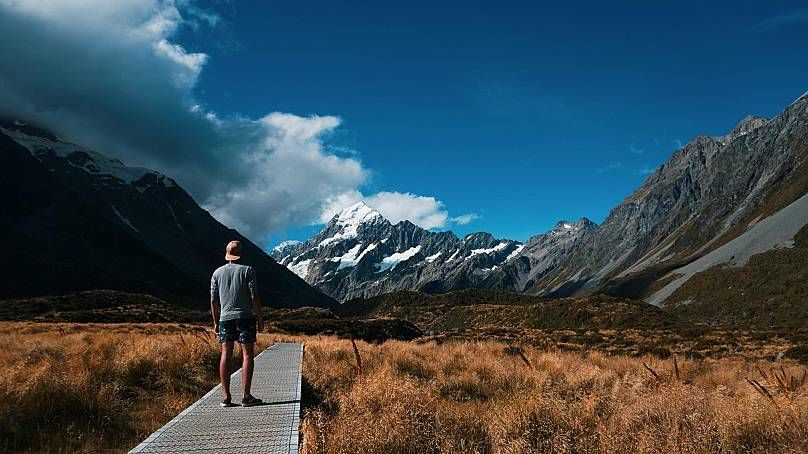
New Zealand's tourism minister has slammed $10 tourists living off ‘dry noodles.’


Instead, he wants to attract visitors who “spend a little more money, stay a little bit longer.”

New Zealand finally reopened its borders in August 2022, with plans to better manage the tourism industry by avoiding overcrowding and improving sustainability.


Thailand tries to shake its backpacker legacy


Thailand’s tourism industry is steadily recovering after months of COVID restrictions, which tested visitors’ willingness to fork out for expensive quarantine schemes.

Keen to capitalise on this and shake the country’s long-standing image as a backpacker haven, government ministers have asked hotels and business to refrain from luring tourists with big discounts.

"We cannot let people come to Thailand and say because it's cheap," said Deputy Prime Minister Anutin Charnvirakul at a tourism event in July 2022.

Thailand wants to position itself as a premium travel destination.


Instead, he suggested the country should focus on raising its value as a premium travel destination, reports Reuters.

Thailand also hopes to lure high-earning digital nomads with its new 10-year ‘work from Thailand’ visa. Only open to those earning upwards of $80,000 (€78,965) per year, the visa solidifies the country’s push for wealthy visitors.

Newsletter

Related Articles

Saudi Press
0:00
0:00
Close
Japanese Technology Firm Fujitsu Launches Advanced Artificial Intelligence Tool for Corporate Disclosures
South Africa Officially Launches Nationwide Campaign for Highly Contested Local Government Elections
United Kingdom Commits Additional Funding for Unexploded Ordnance Clearance in Laos
Singapore Announces Stringent New Greenhouse Gas Regulations for Commercial Cooling Systems
Cambodia and Thailand Hold High-Level Border Security Talks at United Nations Headquarters
Myanmar Military Government and China Sign Major Agreement to Upgrade Media and Cultural Cooperation
Knife Attack at Swiss Train Station Leaves Three Injured in Suspected Act of Domestic Terrorism
Transnational Extortion Gang Threatens Canadian Police With Army of One Thousand Armed Operatives
Australia Imposes Forty-Two-Day Quarantine on Cruise Ship Passengers Following Deadly Hantavirus Outbreak
International Monetary Fund Unlocks Seven Hundred Million United States Dollars for Sri Lanka Following Economic Reforms
Australia Launches Record One Point Four Billion Dollar Lawsuit Against Chemical Giant 3M Over Contamination
China and Canada Foreign Ministers Meet in Ottawa in Effort to Stabilize Strained Diplomatic Ties
Indonesia Demands Urgent United Nations Security Council Reform Amid Escalating Global Conflicts
Extreme Weather Patterns Trigger Severe Drought in Madagascar and Destructive Flooding in East Africa
Indian State of Karnataka Faces Political Upheaval as Chief Minister Siddaramaiah Abruptly Resigns
Philippines and Japan Reaffirm Defense Ties as Crucial for Indo-Pacific Regional Stability
Norway Joins French Nuclear Deterrence Initiative in Major Shift for European Security Architecture
Global Critical Mineral Alliances Expand as Western Nations Move to Counter Chinese Supply Dominance
United States Imposes Fifty Percent Tariffs on Mexican Steel and Aluminum Ahead of Trade Pact Review
European Union and China Head Toward Major Trade Conflict Over Clean Technology Exports
United States Economic Growth Severely Downgraded to One Point Six Percent as Stagflation Fears Mount
World Health Organization Warns Central African Ebola Epidemic is Outpacing Containment Efforts
United States Treasury Department Conditions Sanctions Relief on Reopening of the Strait of Hormuz
Iranian Air Defenses Intercept and Destroy United States Military Drone Over Bushehr Province
Iranian Armed Forces Launch Ballistic Missiles Toward Unspecified Targets Prompting Regional Condemnation
United Nations Secretary-General Warns Global Order Facing Highest Level of Conflict Since 1945
Israel Issues Sweeping Evacuation Orders in Southern Lebanon Amid Intensified Hezbollah Conflict
Russia Announces Systemic Military Strikes Targeting Ukrainian Defense and Energy Infrastructure
United States and Iranian Negotiators Reach Draft Agreement to Extend Ceasefire and Resume Nuclear Talks
United Nations Security Council Deeply Divided Over United States Capture of Venezuelan President
US and Iran Exchange Direct Military Strikes Amid Fragile Gulf Ceasefire
World Health Organization Warns of Catastrophic Ebola Outbreak in DR Congo
Russia Threatens New Wave of Strikes on Ukrainian Infrastructure and Embassies
Scientists Warn Atlantic Ocean Currents Could Collapse Faster Than Projected
Anthropic Reaches $900 Billion Valuation in Historic AI Funding Round
Washington Imposes Crippling Sanctions on Iranian Maritime Authority
Japan and the Philippines Initiate Strategic Intelligence-Sharing Pact
Microsoft Deploys Autonomous Computer-Using AI Agents to Global Markets
Anthropic Secures $45 Billion Compute Infrastructure Agreement With SpaceX
U.S. Director of National Intelligence Resigns Amid Administration Shakeup
Micron Technology Crosses Trillion-Dollar Valuation Amid Unprecedented Hardware Demand
Canada and Germany Finalize Historic Long-Term LNG Export Agreement
China Expands International Travel Restrictions on Domestic AI Researchers
Japan Approves Sweeping Overhaul of National Intelligence Apparatus
Global Airlines Scramble Logistics as Middle East Airspace Remains Fractured
Japan's Naphtha Imports Plunge 47 Percent Amid Strait of Hormuz Closure
Global Crude Prices Retreat Below $96 as Gulf Tensions Momentarily Ease
Generative AI Outperforms Human Baselines in Landmark Global Creativity Study
NASA Partners With Private Aerospace to Unveil Permanent Lunar Base Architecture
South Korean Equity Markets Surge on Next-Generation Memory Chip Frenzy
×