
Saudi Arabia restores full capacity on East-West oil pipeline after attack disruptions
The return of maximum throughput on the strategic East-West crude pipeline signals operational recovery and highlights ongoing risks to Gulf energy infrastructure.
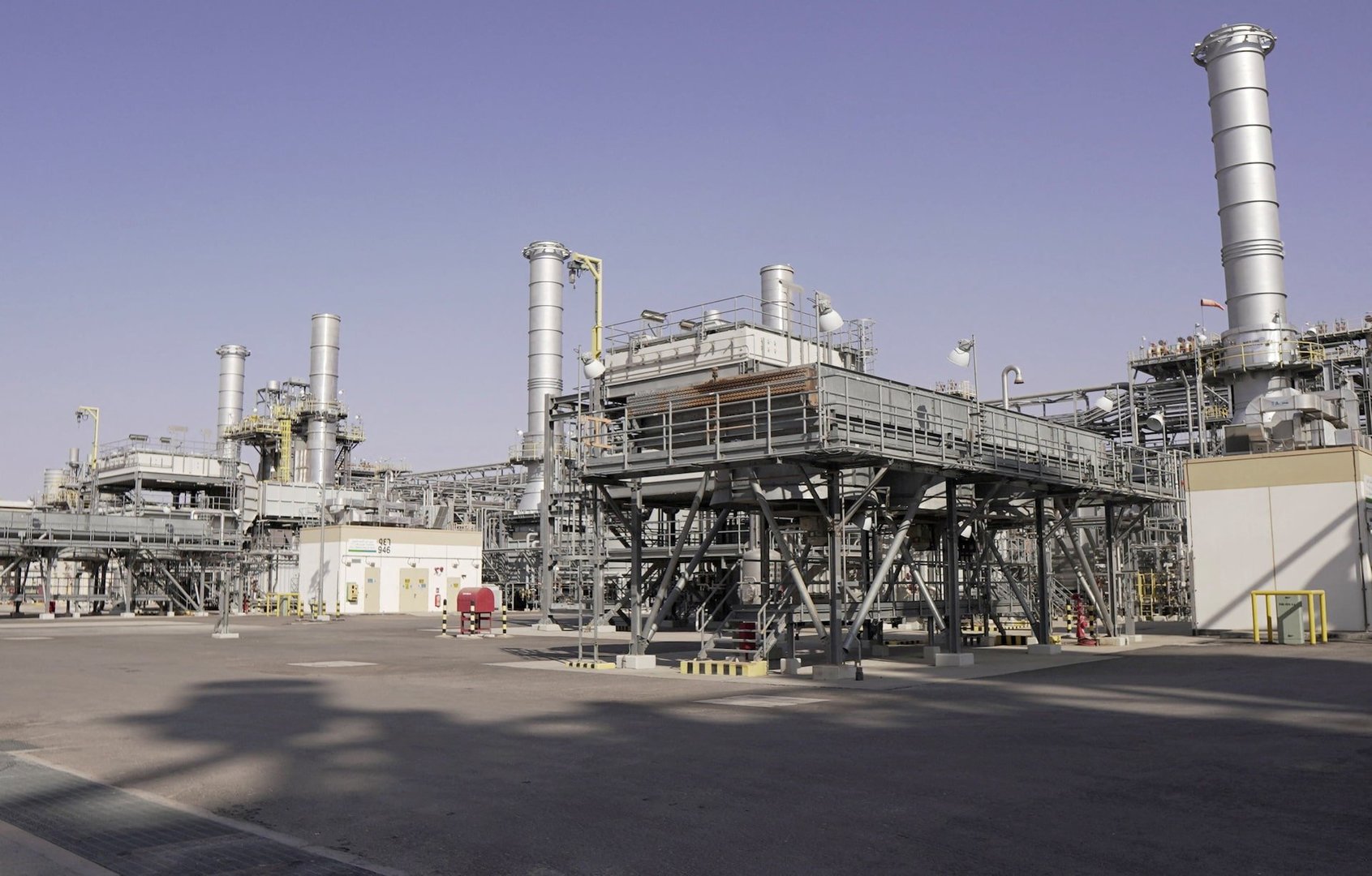
A critical energy infrastructure recovery has been completed in Saudi Arabia following disruptions caused by attacks on the country’s oil transport system, with authorities restoring full operational capacity on the East-West pipeline to approximately seven million barrels per day.
The pipeline is one of the most strategically important components of global oil logistics, enabling crude to be transported from eastern production fields to export terminals on the Red Sea.
What is confirmed is that Saudi oil infrastructure affected by earlier attacks has been repaired and returned to full capacity, restoring a key export route that supports global crude supply flows.
The East-West pipeline system provides an alternative to shipping oil through the Strait of Hormuz, a narrow maritime chokepoint that has long been considered a geopolitical risk point for global energy markets.
The key issue is the vulnerability of energy infrastructure in the Gulf region and the operational necessity of redundancy in export routes.
The pipeline’s design allows Saudi Arabia to bypass potential disruptions in the Persian Gulf, ensuring that crude exports can continue even under conditions of heightened regional tension or maritime insecurity.
The earlier attacks that prompted temporary disruptions were part of a broader pattern of asymmetric threats targeting energy facilities in the region.
Such incidents have included drone and missile strikes attributed to non-state actors or regional proxies, although attribution in these cases is often complex and politically sensitive.
Saudi Arabia’s rapid restoration of full pipeline capacity reflects both the resilience of its energy infrastructure and the strategic priority placed on maintaining uninterrupted global oil supply.
The Kingdom is the world’s largest crude oil exporter, and any disruption to its export systems can have immediate effects on global pricing benchmarks and market sentiment.
Beyond immediate operational recovery, the restoration underscores the continued importance of infrastructure hardening, air defense integration, and regional security coordination.
Energy systems in the Gulf are increasingly designed with redundancy and rapid repair capabilities in response to repeated exposure to hybrid warfare tactics.
The return of full capacity stabilizes one of the most important export arteries in the global oil market and reinforces Saudi Arabia’s ability to maintain supply continuity even under security pressure.
The outcome preserves the flow of millions of barrels of crude per day to international markets through a route that bypasses maritime chokepoints and reduces exposure to regional disruption risks.
The pipeline is one of the most strategically important components of global oil logistics, enabling crude to be transported from eastern production fields to export terminals on the Red Sea.
What is confirmed is that Saudi oil infrastructure affected by earlier attacks has been repaired and returned to full capacity, restoring a key export route that supports global crude supply flows.
The East-West pipeline system provides an alternative to shipping oil through the Strait of Hormuz, a narrow maritime chokepoint that has long been considered a geopolitical risk point for global energy markets.
The key issue is the vulnerability of energy infrastructure in the Gulf region and the operational necessity of redundancy in export routes.
The pipeline’s design allows Saudi Arabia to bypass potential disruptions in the Persian Gulf, ensuring that crude exports can continue even under conditions of heightened regional tension or maritime insecurity.
The earlier attacks that prompted temporary disruptions were part of a broader pattern of asymmetric threats targeting energy facilities in the region.
Such incidents have included drone and missile strikes attributed to non-state actors or regional proxies, although attribution in these cases is often complex and politically sensitive.
Saudi Arabia’s rapid restoration of full pipeline capacity reflects both the resilience of its energy infrastructure and the strategic priority placed on maintaining uninterrupted global oil supply.
The Kingdom is the world’s largest crude oil exporter, and any disruption to its export systems can have immediate effects on global pricing benchmarks and market sentiment.
Beyond immediate operational recovery, the restoration underscores the continued importance of infrastructure hardening, air defense integration, and regional security coordination.
Energy systems in the Gulf are increasingly designed with redundancy and rapid repair capabilities in response to repeated exposure to hybrid warfare tactics.
The return of full capacity stabilizes one of the most important export arteries in the global oil market and reinforces Saudi Arabia’s ability to maintain supply continuity even under security pressure.
The outcome preserves the flow of millions of barrels of crude per day to international markets through a route that bypasses maritime chokepoints and reduces exposure to regional disruption risks.