0:00
0:00
Saudi Arabia Redirects Nearly One Million Barrels of Oil Daily Away from Strait of Hormuz
Strategic rerouting underscores Kingdom’s resilience as it safeguards exports amid escalating regional tensions
Saudi Arabia has redirected nearly one million barrels of crude oil per day away from the Strait of Hormuz, demonstrating a decisive effort to maintain stable energy exports amid rising regional tensions.
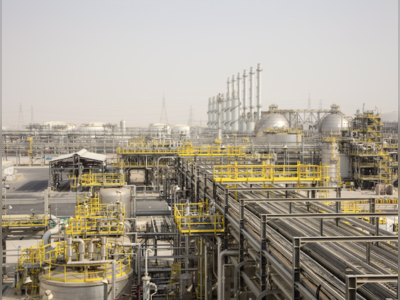
The shift reflects the Kingdom’s strategic use of alternative infrastructure, including pipelines that bypass the narrow waterway, allowing it to sustain supply flows even as shipping through the strait faces disruption.
The move highlights Saudi Arabia’s long-standing investment in energy security and export flexibility.
Officials have emphasized that ensuring uninterrupted oil supply remains a top priority, particularly given the central role of Saudi exports in global energy markets.
By rerouting volumes, the Kingdom is reinforcing its position as a reliable supplier during a period of heightened uncertainty.
The Strait of Hormuz is one of the world’s most critical energy chokepoints, and recent instability linked to the Iran conflict has raised concerns over potential disruptions.
Saudi Arabia’s ability to redirect significant volumes provides a buffer against these risks, helping to stabilize markets and reassure trading partners.
Energy analysts note that while alternative routes cannot fully replace the strait’s capacity, the scale of the rerouting effort demonstrates the effectiveness of contingency planning.
It also reflects broader efforts across the region to enhance resilience in the face of geopolitical volatility.
The development has implications for global oil prices and supply chains, as market participants adjust to shifting flows and evolving risk assessments.
Saudi Arabia’s actions are seen as a key factor in mitigating potential supply shocks.
As tensions persist, the Kingdom’s proactive approach underscores its commitment to maintaining stability in global energy markets while safeguarding its own strategic interests.
The shift reflects the Kingdom’s strategic use of alternative infrastructure, including pipelines that bypass the narrow waterway, allowing it to sustain supply flows even as shipping through the strait faces disruption.
The move highlights Saudi Arabia’s long-standing investment in energy security and export flexibility.
Officials have emphasized that ensuring uninterrupted oil supply remains a top priority, particularly given the central role of Saudi exports in global energy markets.
By rerouting volumes, the Kingdom is reinforcing its position as a reliable supplier during a period of heightened uncertainty.
The Strait of Hormuz is one of the world’s most critical energy chokepoints, and recent instability linked to the Iran conflict has raised concerns over potential disruptions.
Saudi Arabia’s ability to redirect significant volumes provides a buffer against these risks, helping to stabilize markets and reassure trading partners.
Energy analysts note that while alternative routes cannot fully replace the strait’s capacity, the scale of the rerouting effort demonstrates the effectiveness of contingency planning.
It also reflects broader efforts across the region to enhance resilience in the face of geopolitical volatility.
The development has implications for global oil prices and supply chains, as market participants adjust to shifting flows and evolving risk assessments.
Saudi Arabia’s actions are seen as a key factor in mitigating potential supply shocks.
As tensions persist, the Kingdom’s proactive approach underscores its commitment to maintaining stability in global energy markets while safeguarding its own strategic interests.