

Luxury, e-commerce to lead retail sector’s contribution to GCC economy
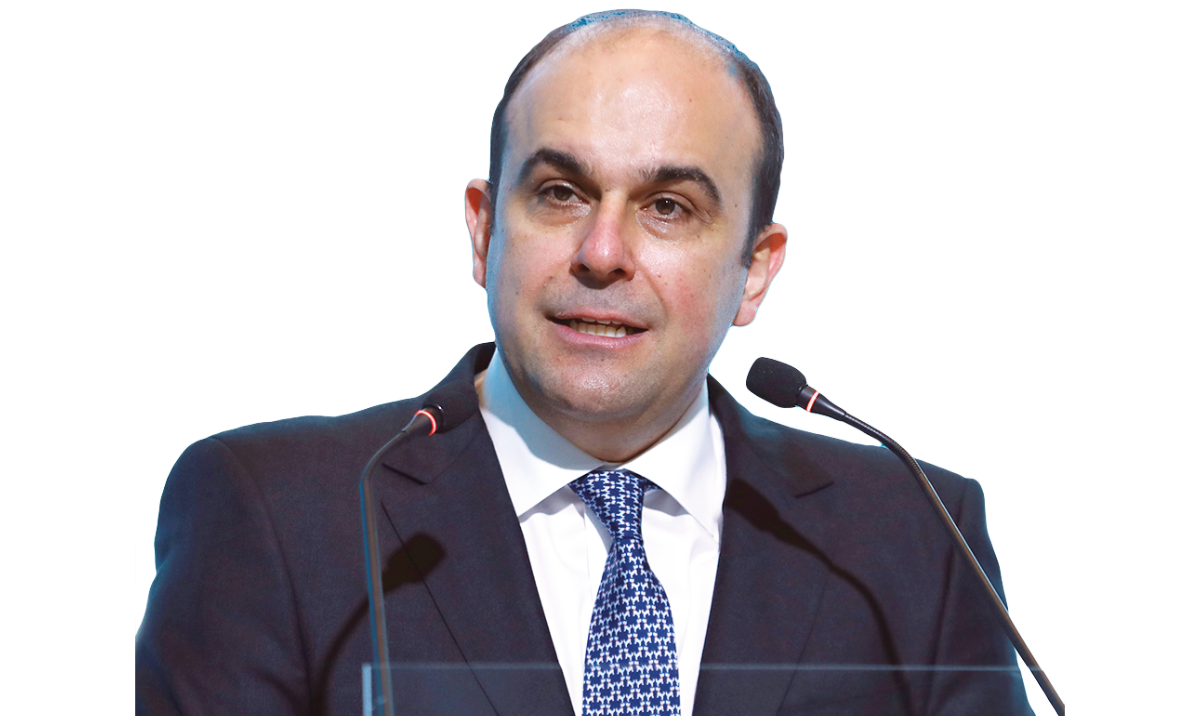
“Luxury continues to perform well and favors the in-store model, as consumers investing significantly in a product want to examine it physically before committing to purchase,” Linardos told Arab News.
“E-commerce is growing fast as customers continue their buying habits from the pandemic. Spending power among younger digital buyers, who generally enjoy the convenience of online shopping, will also contribute significantly to the growth of retail in the GCC,” the chairman added.
In addition to luxury and e-commerce, domestic and regional retailers are also contributing to the GCC economy as a hike in prices alongside supply chain disruptions in key European countries are hindering the delivery and cost-competitiveness of their export products.
Moreover, integrating physical and digital retail, conscientious consumerism, and the evolution of physical stores are three key trends in the industry that are helping propel its growth which is estimated to hit SR596 billion ($158.85 billion) by 2024.
Speaking on integrating physical and digital retail, Linardos notes that while several retailers have incorporated digital technologies to their businesses, they are yet to design the entire customer journey around digital integration.
“Artificial intelligence will help to anticipate and respond to shifting consumer demand patterns by streamlining inventory processes, increasing supply chain efficiency and tracking production, and augmented reality will make the online and physical shopping experiences more immersive, while also supporting product customization and enhance brand loyalty,” the chairman explained.
As for conscientious consumerism, this refers to the fact that consumers are becoming more aware of the impact their decisions are having on the environment and on the local communities as well.
“Transparent reporting and independent auditing of sustainability claims are going to become increasingly significant to retailers hoping to protect and grow their market share,” he disclosed.
Meanwhile, the evolution of physical stores revolves around the idea that retailers are keen on transforming the consumers’ retail journey and assuring that the in-store visit is a rich experience by showcasing main product lines and merging brand activations and in-store technologies to substitute the conventional inventory-driven model.
“The ability of retailers to allow customers to order products from the entire product line in-store and have them delivered quickly and seamlessly reduces the need to keep large, comprehensive product inventories on-site and instead they can devote space to more creative product displays and in-store promotion activities,” Linardos emphasized.
With regards to the competitiveness in the Middle East, Linardos goes on to argue that malls in the region have stepped away from being single-minded and acting as just retail outlets to become social and entertainment hubs as well.
This is mainly attributed to the high temperatures associated with Middle Eastern countries, making it hard for consumers to enjoy the traditional “high street” retail model common in more temperate regions.
“Mall investment, especially in Saudi Arabia, continues to expand. To enhance their competitive appeal, new retail spaces should be seeking to integrate more digitally enabled, immersive experiences into their offer to attract consumers and retain loyalty,” he said.
Moving on to ways in which malls in the region can attract new consumers, it is evident that the more customized or immersive the experience is, the more likely that this is going to drive high purchase intention and diminish product returns.
“The question retailers should be asking is not ‘Shall we invest in immersive technology?’ but rather ‘How long will it be before immersive technology is a basic cost of entry?’ according to the chairman.
Retail Leaders Circle is the region’s largest and most significant meeting place for the retail and commerce industries.
The two-day event is set to kick off on Mar. 7 and is being held under the theme “Digital Economy & Purposeful Growth.”
Influential leaders, industry pioneers, innovators, investors, as well as senior policymakers are on track to partake in the event and take stock of an industry in the midst of rapid reinvention.
During the course of the event, all participants will tackle and debate on what the future holds for retail and commerce.
“Digital is making the biggest impact on the modern retail landscape, and it will be a central to the discussions at the Retail Leaders Circle MENA Summit,” Linardos highlighted.
The summit is expecting more than 4,000 attendees, 750 retail firms, 500 sector CEOs, and over 75 speakers from around the world.
The event will host thought-provoking sessions, task-force roundtables, engaging live experiences, in addition to a retail exhibition.
The retail exhibition — which will be presented by the Saudi 100 Brands initiative under the Saudi Fashion Commission — offers a portal for some of the Kingdom’s homegrown brands to showcase their offerings.
The end goal of the Retail Leaders Circle Summit is to provide the world’s retailers, brand owners, and suppliers with the intellectual and social capital they need in order to further prosper and succeed.
“The Retail Leaders Circle is the most important strategic forum for the MENA retail sector, bringing regional and global thought leaders together to examine regionally significant emerging trends and drive positive industry change,” Linardos stressed.