

Isaac Oehlers died after glass hit him in his highchair. This is how his parents fought to save him
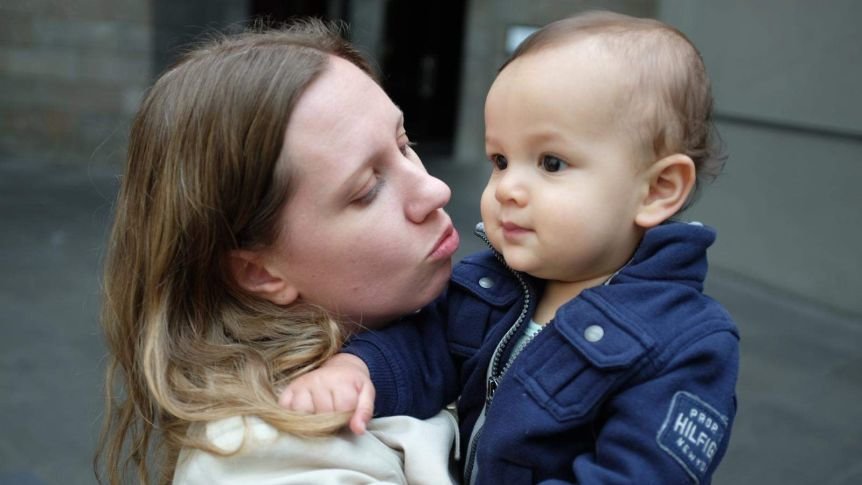
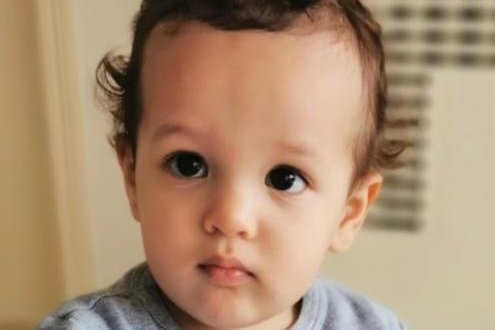
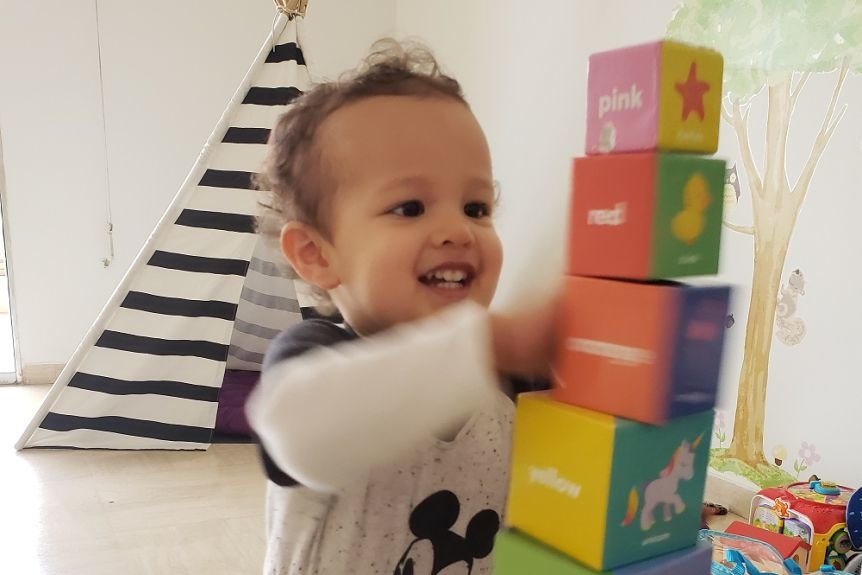
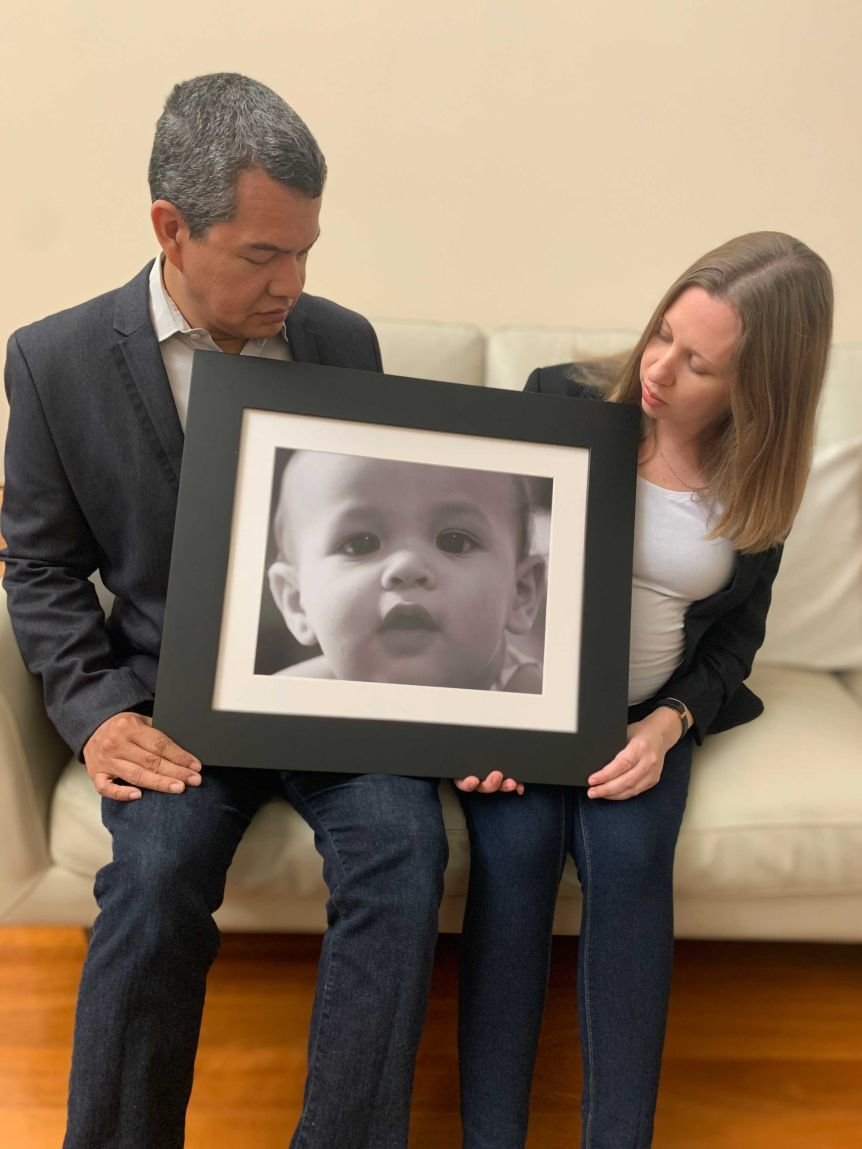
Sarah Copland says her son Isaac was a happy and funny toddler.
Two-year-old Isaac Oehlers was the only Australian to die from the blast which tore through Lebanon's capital on August 4.
His parents, Sarah Copland - who is pregnant with a second child - and Craig Oehlers, have spoken exclusively to Four Corners about their last memories of their bright and outgoing son and the frantic efforts to save him.
Ms Copland was posted to Beirut in August 2019 working for the United Nations after a stint in New York.
Her son Isaac had thrived in the multicultural, trilingual Lebanese capital. He was already counting in English, French and Arabic and affectionate locals were drawn to the little boy.
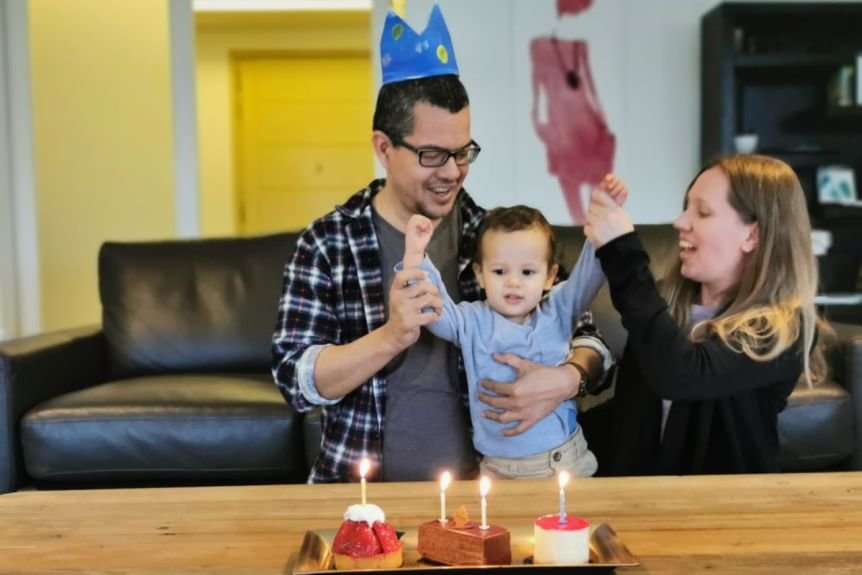
"The Lebanese love children. So, wherever we went Isaac would get so much attention. People wanting to give him free ice cream and lots of attention and because he was a very outgoing boy. He just lapped it up," Ms Copland said.
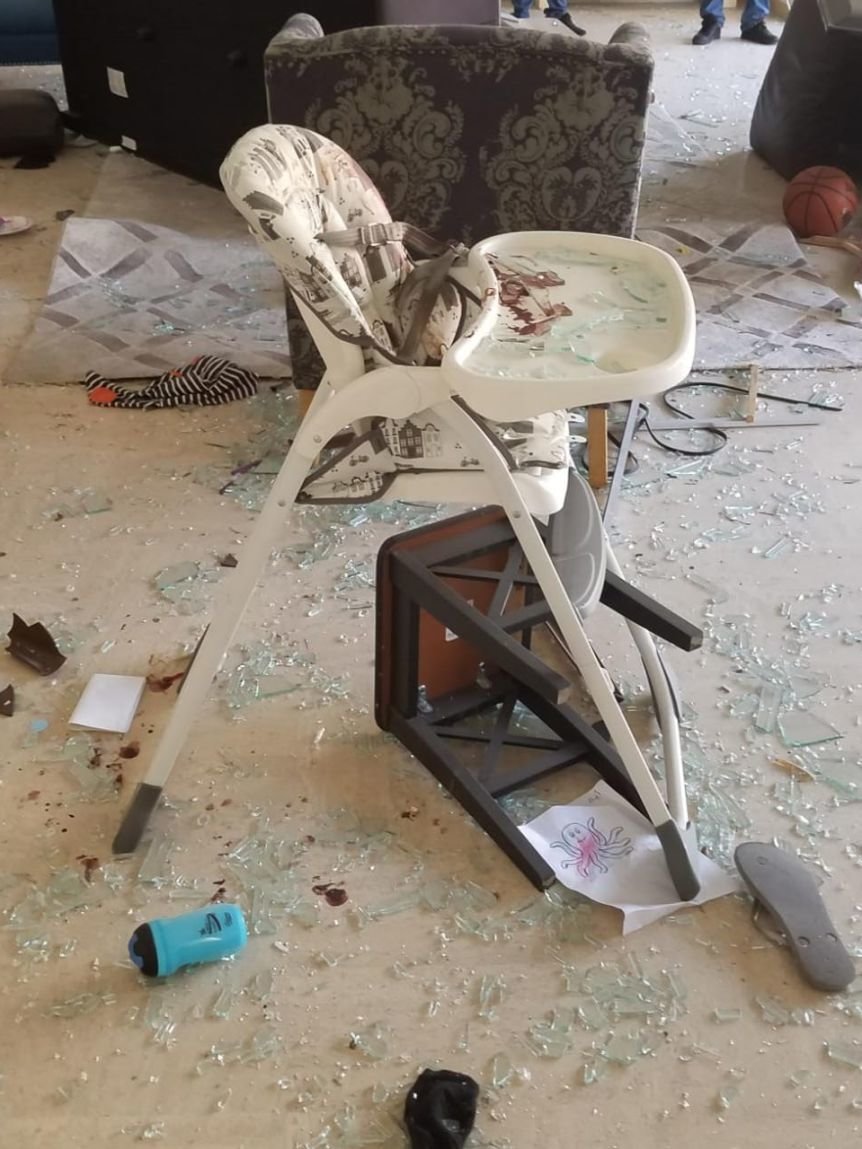
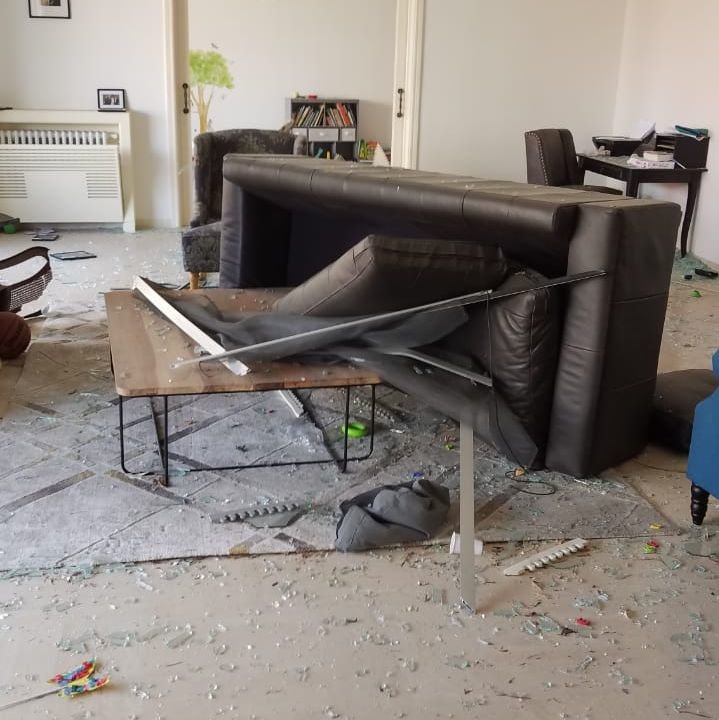
Isaac was sitting in his highchair in his family's lounge room when a fire at a dockside warehouse just 700 metres away caused the detonation of a stockpile of ammonium nitrate.
The blast blew in the windows of the family's fourth floor apartment and knocked Ms Copland to the ground.
Her husband Mr Oehlers was in the bathroom.
"I'm thinking, this must be an earthquake because of the whole building is moving … I flung open the door to see what was happening outside. And the scene that confronted me was just horrific," Mr Oehlers said.
"There were bits of live wires dangling from the ceiling. It was total devastation and, of course, the first thing I thought of was, 'Oh my God! Where's Isaac? Where's Sarah?' And I ran as fast as I could from the bathroom to the living room.
"I found Sarah leaning over Isaac, who was still in his highchair and she was screaming, 'Isaac's hurt! Isaac's hurt!'
"It was like my worst nightmares come to life."
Ms Copland pulled Isaac out of his chair.
"Our immediate thought was it must be a terrorist attack," she said.
"I ran to the bathroom because I thought that would be the safest place to be if there was another explosion.
"Once we got there, I could see that he [Isaac] was bleeding a lot so I took off his clothes and I could see that he was really injured. He'd gotten a big piece of glass in his chest.
"I wrapped him in a towel to try and put pressure on his wound and then I just ran."
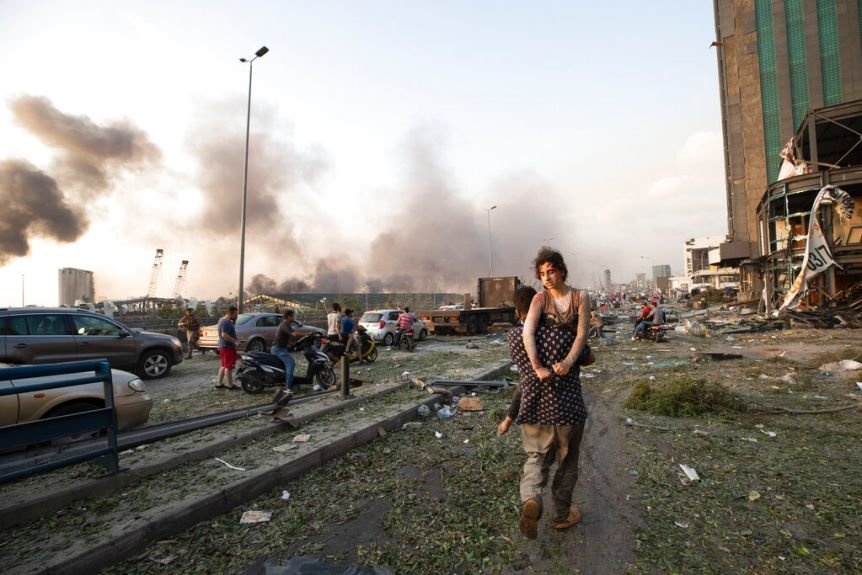
The couple bolted down four flights of stairs onto the street. Both parents had bad cuts on their feet and Ms Copland had glass embedded in her face.
They came out of the stairwell into what had been one of Beirut's prettiest districts.
Sursok Street was wrecked, and the surrounding buildings appeared destroyed.
"There was glass everywhere, on the streets, on the pavement, everywhere and people were on the streets and they were crying. They were in shock. Blood was coming down the faces of some of them. It was horrific and there was smoke everywhere," Mr Oehlers said.
"It's just so beyond imagination," Ms Copland said.
"I just remember I was just screaming, 'My baby! My baby! Help my baby!'
"I just kind of imagined what we would look like because we were covered from head to toe in blood and he was crying.
"I remember this woman and she looked at us and she screamed at the sight of us."
They needed to urgently get to a hospital. Mr Oehlers took Isaac and Ms Copland ran into one of Beirut's busiest thoroughfares — Charles Malek Avenue.
"I just remember I ran right into the middle of the road, just waving my arms until someone would stop," she said.
A local man stopped and let them in.
"I feel for him because he had his two young girls in the car and I just think of how traumatised they must have been to see us," she said.
The closest hospitals had been badly damaged. The driver took them to Rafic Hariri hospital, which was 6 kilometres from their apartment.
The traffic after the blast was at a virtual standstill but the driver did his utmost to get Isaac to medical help.
"He was like going down the wrong side of the road, gunning it as fast as he could," Ms Copland said.
"Any time we got to an intersection, I was screaming at everyone to get out of the way."
They finally made it to the hospital, but to the entrance reserved for coronavirus patients. Security guards tried to redirect them.
"We just didn't have the time to go and find another entrance," Ms Copland said.
"So, we just stormed past these big security guys and I think once the doctors saw how injured Isaac was, they let us come in."
Being badly injured herself, Ms Copland was taken away for treatment. She would not see her son again.
Mr Oehlers followed Isaac to the operating theatre.
"They told me to stay outside … but every now and again I would sneak myself back into the operating area … just so that Isaac would know that his parents were still with him. That he wasn't alone," he said.
He said doctors spent what felt like hours working on his son but were unable to save him.
"I'll tell you what. No parent should ever have to be in the same room as his child, who's on an operating table, and see the heart monitor flatline and hear all the alarms go off," Mr Oehlers said.
"That flatlining sound and the sounds of the alarms going off is something that's going to stay with me for the rest of my life."
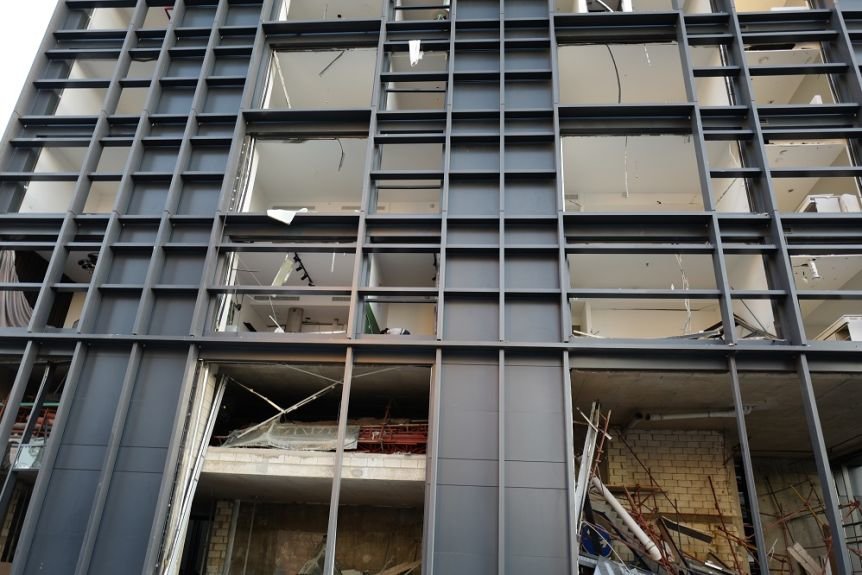
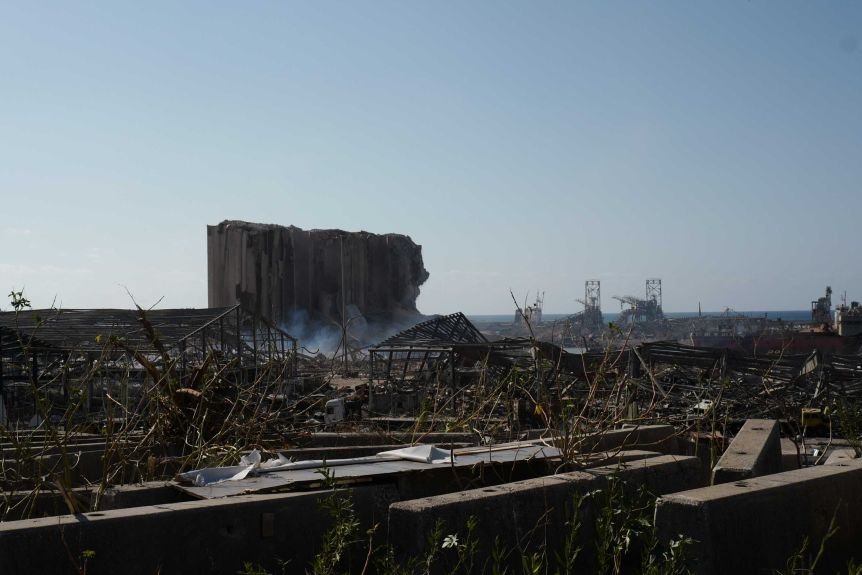
The blast wrecked most apartments within a 1-kilometre radius of the warehouse and caused severe damage to buildings as far as 5 kilometres from the port.
The cause of the fire that sparked the explosion remains under investigation, but a trail of documents indicates that Lebanon's Government was well aware that an enormous quantity of ammonium nitrate had been stored at the port since November 2013, when a ship carrying 2,700 tonnes of the chemical compound docked in Beirut.
The ammonium nitrate, destined for a Mozambique explosives company, was offloaded from the unseaworthy vessel and stored in the port's Hangar 12.
Customs and security officials and even judges repeatedly warned that the material was dangerous and posed a risk to Beirut — but no serious efforts were made to move it.
The failure of government to act over seven years is the product of Lebanon's inefficient political system, says economic analyst Ziad Hayek.
"Nobody is capable of making a decision," he said
"Everybody has to write a letter and send it up the ladder to a person higher up. The people on the ground and closer to it that were more aware of and conscious of the danger could not make a decision and by the time the information is transferred from one layer of government to the next, the urgency of the matter was lost."
Lebanon's economy was in freefall long before the August 4 blast, and for 12 months, protesters have called for the resignation of all politicians and political appointees. The local currency has collapsed, unemployment has soared and poverty has become much more widespread.
Lebanese Prime Minister Hassan Diab and his Government resigned in the wake of the deadly blast, and in late September Prime Minister-designate Mustapha Adib quit amid a month-long political impasse over forming government.
Ms Copland and Mr Oehlers are now back in Perth and do not plan on returning to Beirut.
Ms Copland is due to give birth to a baby boy in just a few weeks.
In another layer to the tragedy, the family have revealed they had been trying to leave the country for months due to the worsening coronavirus situation but could only get a flight home together in late August.
"They shut the airports. We couldn't leave to get home. So, we had made several attempts to get back this year and we were so close and just three weeks difference and our whole lives would be … just be the way they were supposed to be," Ms Copland said.
Even as they grieve for their son, Ms Copland and Mr Oehlers have great compassion for the Lebanese people.
"They loved our little boy like he was family from the get-go," Ms Copland said.
"I have a lot of love for the Lebanese people who just have lost more than most Australians could ever possibly imagine and yet still have so much to give."