
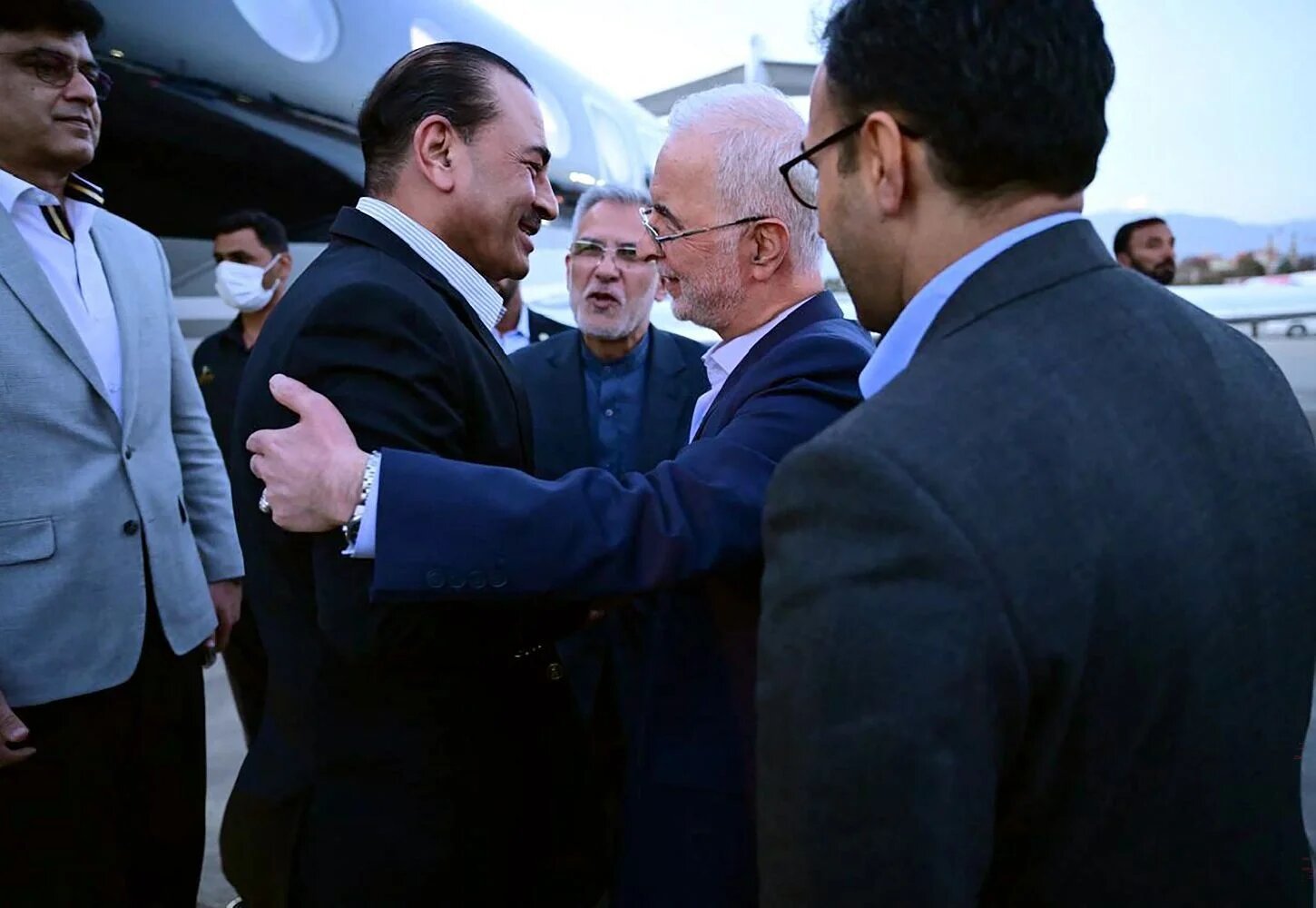
Iran and Saudi Arabia Open Direct Diplomatic Channel as Regional Tensions Intensify
Foreign ministers from both countries hold talks aimed at stabilizing relations amid wider Middle East conflicts and shifting security alignments.
The story is actor-driven: a high-level diplomatic engagement between Iran and Saudi Arabia, two regional powers whose rivalry has shaped Middle Eastern security dynamics for decades, now engaging in direct talks focused on managing escalating regional tensions.
What is confirmed is that the foreign ministers of Iran and Saudi Arabia have held discussions addressing regional security concerns and bilateral relations.
These talks represent continued contact between the two governments following the restoration of diplomatic relations in 2023, when both countries agreed to reopen embassies and re-establish formal channels after years of severed ties.
The renewed diplomatic engagement reflects a broader shift in regional politics.
For much of the past decade, Iran and Saudi Arabia were positioned on opposing sides of multiple regional conflicts, including in Yemen, Syria, and Lebanon, often supporting rival political and armed groups.
The resumption of diplomatic relations marked a structural attempt to reduce direct confrontation and establish mechanisms for managing disputes.
The latest talks occur against a backdrop of heightened regional instability involving multiple interconnected conflicts.
These include ongoing violence in Gaza, maritime security concerns in the Red Sea, and periodic escalation involving Iranian-linked groups and Israeli or Western military assets.
While Iran and Saudi Arabia are not direct combatants in many of these arenas, their influence over regional actors places them at the center of diplomatic efforts to prevent wider escalation.
The mechanism of the current engagement is bilateral de-escalation through structured diplomacy.
Foreign ministry-level discussions typically focus on reopening channels of communication, coordinating on consular and diplomatic issues, and addressing security concerns that could destabilize the broader region.
They also serve as political signaling tools, demonstrating willingness to maintain dialogue despite external pressures.
For Saudi Arabia, maintaining stable relations with Iran is tied to broader strategic objectives under its economic diversification agenda, which depends on regional stability, secure energy infrastructure, and predictable investment conditions.
For Iran, sustained dialogue with Saudi Arabia helps reduce isolation, manage economic pressure, and maintain regional influence through diplomatic rather than purely confrontational channels.
The stakes of these talks extend beyond bilateral relations.
Any breakdown in communication between the two countries historically increases the risk of proxy escalation across multiple conflict zones.
Conversely, sustained dialogue can act as a stabilizing factor in regions where both countries exert influence through aligned political or armed groups.
What is emerging is a cautious but structured normalization process that does not eliminate rivalry but manages it through formal diplomatic engagement.
This approach reflects a broader regional trend toward risk containment rather than comprehensive resolution of underlying geopolitical disputes.
The continuation of foreign minister-level dialogue signals that both sides are prioritizing stability management in a region where multiple conflicts remain active and interconnected.