Saudi Press

Saudi Arabia and the world
Friday, Dec 12, 2025

How wearables could help detect the next Covid-19 outbreak

How wearables could help detect the next Covid-19 outbreak

Your Apple Watch or Fitbit could help detect a Covid-19 outbreak, especially when wearable data is combined with reporting of symptoms. A new US study has shown that the two sources of data improve chances of early detection.

A new study by scientists describes a tool that could help public health officials spot and contain Covid-19 outbreaks. You might already be wearing it.

One in five Americans owns a wearable device, such as a Fitbit or Apple Watch. These gadgets monitor your heart rate, how many steps you take, and your sleep patterns – measurements that often change when you’re sick.

Scientists from at Scripps Research in La Jolla, California, found that combining wearable device data with symptoms better predicted if a person had Covid-19. That makes these popular devices a way to potentially track the scope and spread of the pandemic, says Dr Eric Topol, director and founder of the Scripps Research Translational Institute and executive vice-president of Scripps Research.

“Everyone talks about ‘test, test, test’. That isn’t working,” said Topol, one of the study’s authors. “We need other ways to track the toll of the virus and who might be affected.”
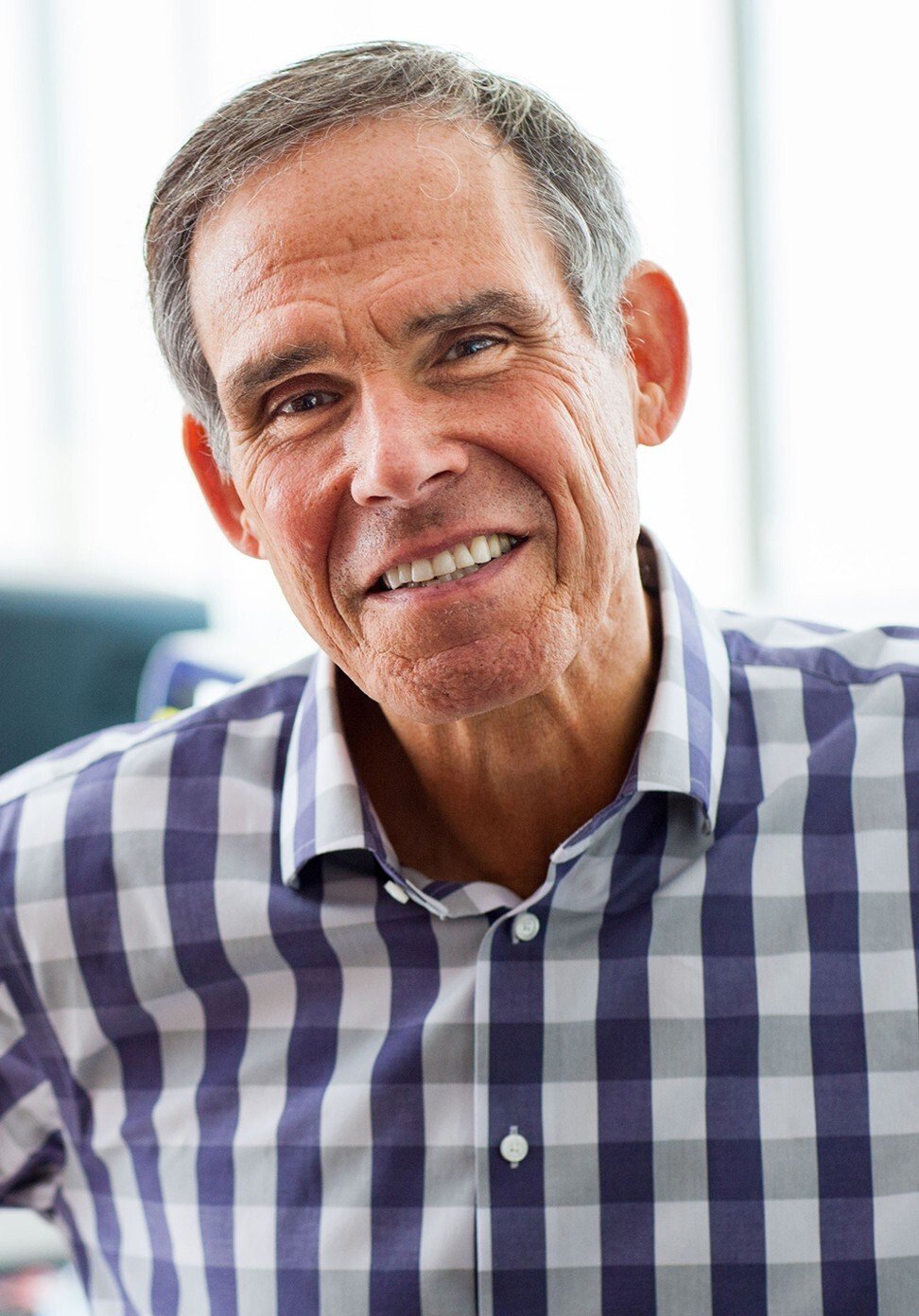

Dr Eric Topol, director and founder of the Scripps Research Translational Institute and executive vice-president of Scripps Research.


The study findings, published in the journal Nature Medicine, are part of a study called Detect – for Digital Engagement & Tracking for Early Control & Treatment. Roughly 30,000 people across the US enrolled between March 25 and June 7, sharing data from their wearable devices and reporting symptoms when they felt sick.

About 3,800 participants reported symptoms that ranged from a stomach ache to a cough to difficulty breathing and a loss of taste and smell. Of those who felt sick, 333 were tested for Covid-19; 54 tested positive and 279 tested negative.

The researchers then tried to predict who would test positive or negative with a statistical model based on self-reported symptoms; it performed about as well as a model based on wearable device data (heart rate, step count and sleep length). But combining the two predicted Covid-19 test results best.

“I see this approach as being more useful on a population level, in terms of seeing more activity in a population over time,” said Dr Chip Schooley, an infectious diseases specialist at the University of California at San Diego, who was not involved in the study.

Topol agrees, noting that researchers could regularly monitor wearable device data and self-reported symptoms to spot Covid-19 outbreaks and tip off public health officials, who could then ramp up community testing and other measures to curtail the spread of the virus.
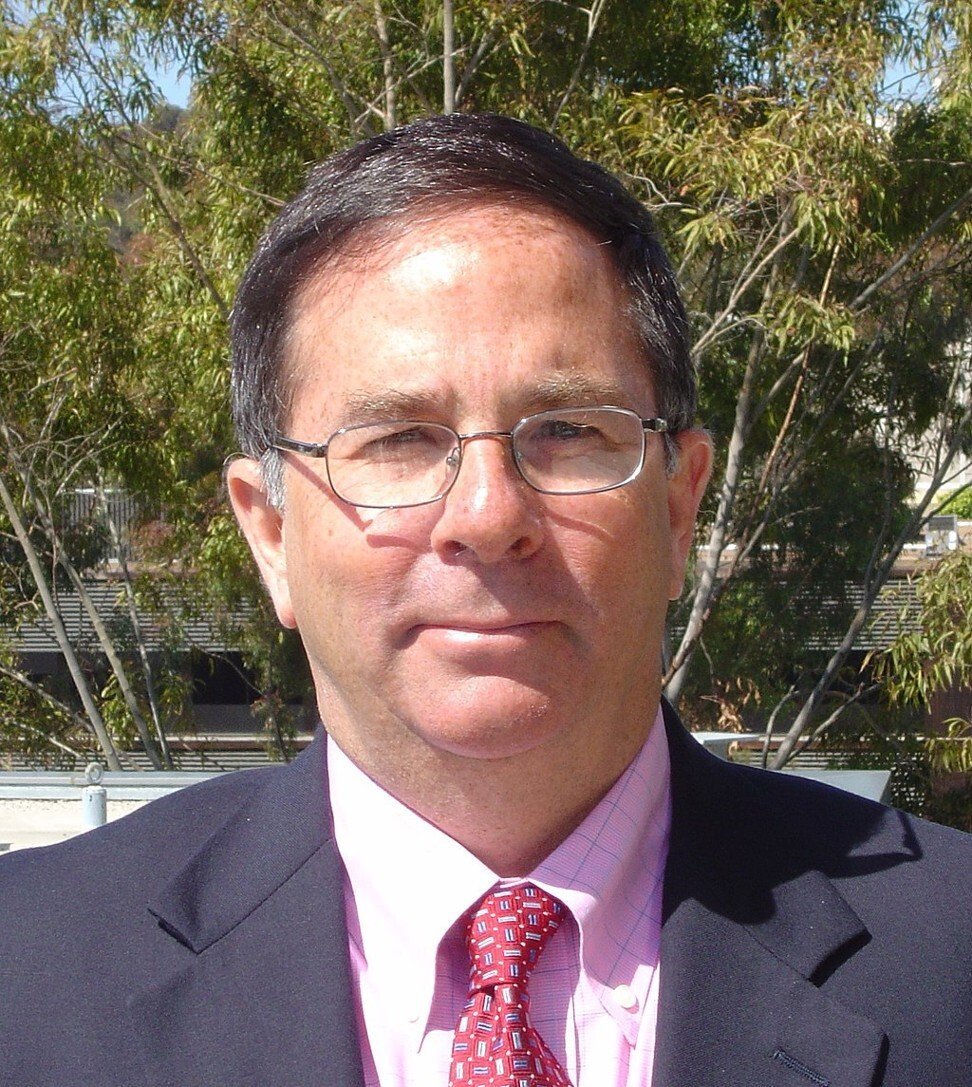

Dr Chip Schooley is an infectious diseases specialist at the University of California at San Diego.


So far, the United States has struggled to slow the pandemic. More than 9.5 million Americans have been infected with the coronavirus so far and 234,000 have died. The US is now reporting more than one new Covid-19 case each second.

The Detect study is ongoing, with researchers looking to enrol 100,000 participants. To learn more about the study, visit detectstudy.org.

Newsletter

Related Articles

Saudi Press
0:00
0:00
Close
U.S. Democratic Lawmakers Raise National Security and Influence Concerns Over Paramount’s Hostile Bid for Warner Bros. Discovery
Hackers Are Hiding Malware in Open-Source Tools and IDE Extensions
Traveling to USA? Homeland Security moving toward requiring foreign travelers to share social media history
Wall Street Analysts Clash With Riyadh Over Saudi Arabia’s Deficit Outlook
Trump and Saudi Crown Prince Cement $1 Trillion-Plus Deals in High-Profile White House Summit
Saudi Arabia Opens Alcohol Sales to Wealthy Non-Muslim Residents Under New Access Rules
U.S.–Saudi Rethink Deepens — Washington Moves Ahead Without Linking Riyadh to Israel Normalisation
Saudi Arabia and Israel Deprioritise Diplomacy: Normalisation No Longer a Middle-East Priority
Saudi Arabia Positions Itself as the Backbone of the Global AI Era
As Trump Deepens Ties with Saudi Arabia, Push for Israel Normalization Takes a Back Seat
Thai Food Village Debuts at Saudi Feast Food Festival 2025 Under Thai Commerce Minister Suphajee’s Lead
Saudi Arabia Sharpens Its Strategic Vision as Economic Transformation Enters New Phase
Saudi Arabia Projects $44 Billion Budget Shortfall in 2026 as Economy Rebalances
OPEC+ Unveils New Capacity-Based System to Anchor Future Oil Output Levels
Will Saudi Arabia End Up Bankrolling Israel’s Post-Ceasefire Order in Lebanon?
Saudi Arabia’s SAMAI Initiative Surpasses One-Million-Citizen Milestone in National AI Upskilling Drive
Saudi Arabia’s Specialty Coffee Market Set to Surge as Demand Soars and New Exhibition Drops in December
Saudi Arabia Moves to Open Two New Alcohol Stores for Foreigners Under Vision 2030 Reform
Saudi Arabia’s AI Ambitions Gain Momentum — but Water, Talent and Infrastructure Pose Major Hurdles
Tensions Surface in Trump-MBS Talks as Saudi Pushes Back on Israel Normalisation
Saudi Arabia Signals Major Maritime Crack-Down on Houthi Routes in Red Sea
Italy and Saudi Arabia Seal Over 20 Strategic Deals at Business Forum in Riyadh
COP30 Ends Without Fossil Fuel Phase-Out as US, Saudi Arabia and Russia Align in Obstruction Role
Saudi-Portuguese Economic Horizons Expand Through Strategic Business Council
DHL Commits $150 Million for Landmark Logistics Hub in Saudi Arabia
Saudi Aramco Weighs Disposals Amid $10 Billion-Plus Asset Sales Discussion
Trump Hosts Saudi Crown Prince for Major Defence and Investment Agreements
Families Accuse OpenAI of Enabling ‘AI-Driven Delusions’ After Multiple Suicides
Riyadh Metro Records Over One Hundred Million Journeys as Saudi Capital Accelerates Transit Era
Trump’s Grand Saudi Welcome Highlights U.S.–Riyadh Pivot as Israel Watches Warily
U.S. Set to Sell F-35 Jets to Saudi Arabia in Major Strategic Shift
Saudi Arabia Doubles Down on U.S. Partnership in Strategic Move
Saudi Arabia Charts Tech and Nuclear Leap Under Crown Prince’s U.S. Visit
Trump Elevates Saudi Arabia to Major Non-NATO Ally Amid Defense Deal
Trump Elevates Saudi Arabia to Major Non-NATO Ally as MBS Visit Yields Deepened Ties
Iran Appeals to Saudi Arabia to Mediate Restart of U.S. Nuclear Talks
Musk, Barra and Ford Join Trump in Lavish White House Dinner for Saudi Crown Prince
Lawmaker Seeks Declassification of ‘Shocking’ 2019 Call Between Trump and Saudi Crown Prince
US and Saudi Arabia Forge Strategic Defence Pact Featuring F-35 Sale and $1 Trillion Investment Pledge
Saudi Sovereign Wealth Fund Emerges as Key Contender in Warner Bros. Discovery Sale
Trump Secures Sweeping U.S.–Saudi Agreements on Jets, Technology and Massive Investment
Detroit CEOs Join White House Dinner as U.S.–Saudi Auto Deal Accelerates
Netanyahu Secures U.S. Assurance That Israel’s Qualitative Military Edge Will Remain Despite Saudi F-35 Deal
Ronaldo Joins Trump and Saudi Crown Prince’s Gala Amid U.S.–Gulf Tech and Investment Surge
U.S.–Saudi Investment Forum Sees U.S. Corporate Titans and Saudi Royalty Forge Billion-Dollar Ties
Elon Musk’s xAI to Deploy 500-Megawatt Saudi Data Centre with State-backed Partner HUMAIN
U.S. Clears Export of Advanced AI Chips to Saudi Arabia and UAE Amid Strategic Tech Partnership
xAI Selects Saudi Data-Centre as First Customer of Nvidia-Backed Humain Project
A Decade of Innovation Stagnation at Apple: The Cook Era Critique
President Trump Hosts Saudi Crown Prince Mohammed bin Salman in Washington Amid Strategic Deal Talks
×