

How Saudi Arabia’s sovereign fund created a nation of opportunities
Six years later, the Kingdom has ventured into new realms of opportunities that the Arab world would not have dared to dream of even a decade ago, thanks to its sovereign fund that controls assets worth $620 million: the Public Investment Fund.
Recognized as one of the largest sovereign wealth funds in the world, the PIF has led economic diversification in Saudi Arabia through strategic international and national investments.
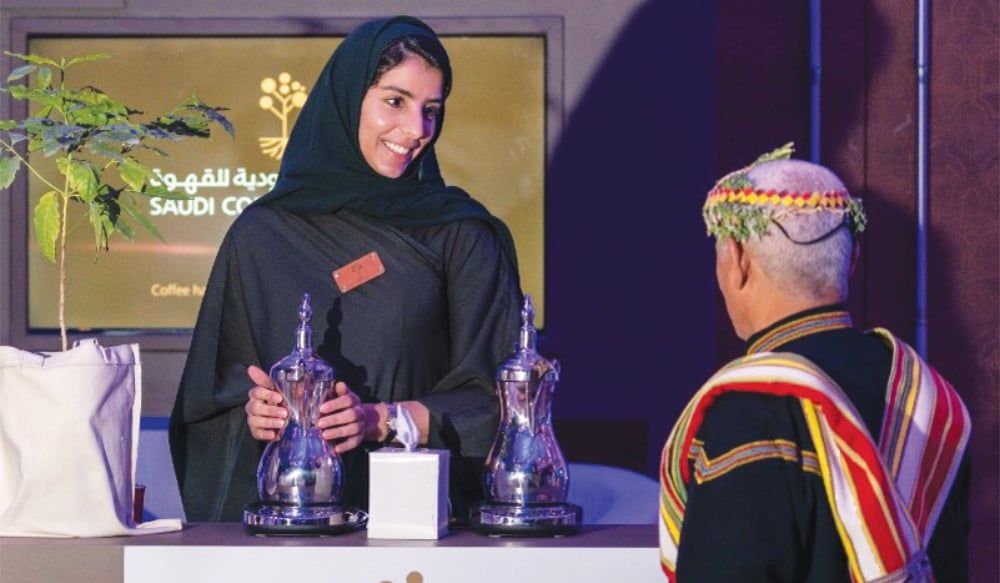 Saudi Coffee Co. aims to turn Saudi coffee beans into a global product.
Strategic force
In May 2022, PIF launched Saudi Coffee Co., aiming to turn Saudi coffee beans into a global product.
A press release issued by the PIF noted that the company plans to invest SR1.2 billion ($320 million) in the next 10 years.
PIF also said that the new firm would play a pivotal role in developing sustainable coffee production in the southern Jazan region, home to the world-famous Coffea Arabica.
In an exclusive interaction with Arab News on the sidelines of the Future Investment Initiative in Riyadh, the CEO of Saudi Coffee Co., Raja Alharbi, said that the firm will produce 2,500 tons of coffee within five years, from 300 tons produced annually now.
In October, PIF also launched Halal Products Development Co., targeted at turning the Kingdom into a global halal hub.
“HPDC aims to localize knowledge, technology, and innovation to develop halal products, including foods, cosmetics and pharmaceuticals. The company also aims to promote investment and economic opportunities for the industry by introducing various services, including specialized advisory,” said PIF.
In the same month, assuring its commitment to creating a sustainable future, the PIF raised $3 billion through its green bond issuance.
According to a report by the Saudi Press Agency, the bond was issued in three tranches and was oversubscribed over eight times, with orders exceeding $24 billion.
As Saudi Arabia is steadily diversifying its economy, the PIF is successfully creating a healthy investment ground for businesses to thrive and grow in the Kingdom.
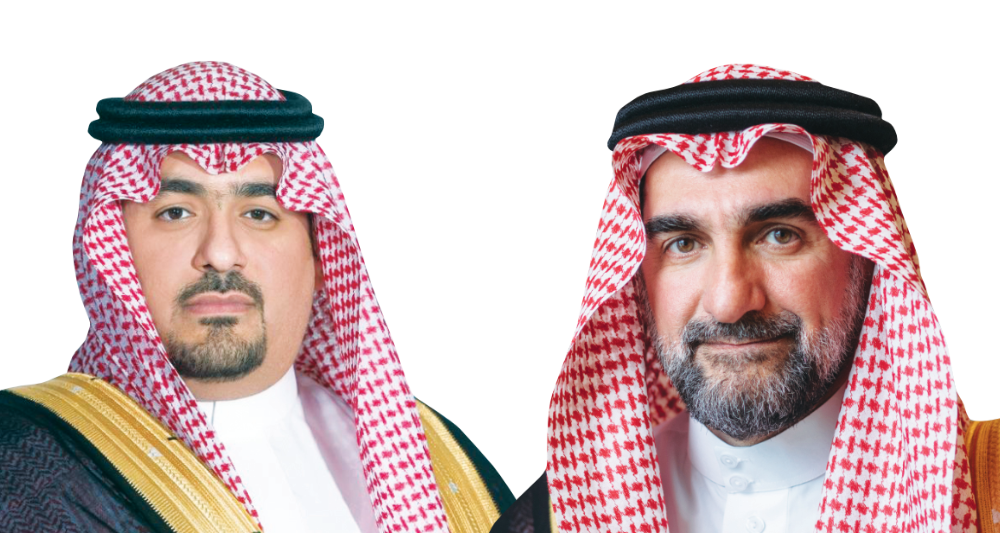
During his speech at the Future Investment Initiative, the Minister of Economy and Planning Faisal Al-Ibrahim said that PIF played a crucial role in this economic transition period in Saudi Arabia.
“PIF is making bold investments. We have four relatively new sectors: entertainment, sports, tourism and culture. These sectors did not materially exist before seven years, and PIF is making investments in these seven sectors,” he said.
The fund also provided sufficient support to its entities as the world faced several issues last year due to COVID-19 and geopolitical tensions, resulting in supply chain disruptions.
Earlier in August, Faisal Sultan, managing director of global operations at Lucid, said that PIF — which owns over 60 percent share in the electric car manufacturing firm — was very supportive when the firm faced a supply crunch which led to two production target cuts.
The $1 trillion ambition
In February 2022, PIF opened three new offices in London, New York and Hong Kong in line with its global expansion plans.
The expansion of these offices is a part of the fund’s 2021-2025 strategy to grow its assets under management to $1.07 trillion by the end of 2025 while continuing to create new sectors, companies and jobs.
PIF Governor Yasir Al-Rumayyan said he had a detailed strategy to increase the fund’s assets between $2 trillion to $3 trillion by the end of this decade.
“We want to reach $1 trillion by 2025. And we are now almost less than $700 billion. So we need close to $400 billion to reach this size of assets,” said Al-Rumayyan, during an interview given to the Thmanyah podcast.
He added: “We have a complete plan from now till 2030 on how to reach a trillion and reach between $2 to $3 trillion, and His Highness Crown Prince is determined to reach it.”
In September, Bloomberg reported that PIF is planning to hire 50 more employees for its New York office.
The Bloomberg report noted that PIF is planning to recruit staff for multiple positions in various sectors, including investment research, legal and compliance, and hiring a chief of staff for its New York office.
Earlier in November, PIF increased its stakes in Meta and Alphabet in the third quarter of 2022. At the end of the third quarter, PIF has about 3.26 million class A shares in Facebook’s parent company Meta – up from 418,000 at the end of the first quarter and 2.94 million at the end of June.
PIF also significantly increased its share in Google’s parent firm Alphabet to 4.26 million class A shares at the end of the third quarter from 213,000.
Understanding the necessity to protect the environment, PIF is investing in many green projects. For example, in October, the fund announced the launch of the Regional Voluntary Carbon Market Co. in collaboration with Tadawul Group for SR500 million.
Also, during the Future Investment Initiative conference this year, PIF auctioned off 1.4 million tons of carbon credits for the first time, widely touted as the biggest-ever carbon credit sale.
As PIF continues its journey to achieve sustainability by investing in renewables and hydrogen, along with planting millions of trees in the Kingdom, the future of Saudi Arabia is bright, and more monumental initiatives can be witnessed from the fund in the future too.