Egypt Announces Details of "Ras El Hekma Deal," Eyeing Sustainable Political and Economic Impact
Egypt has finalized a deal to develop the "Ras El Hekma" project in partnership with the United Arab Emirates, with investments estimated at around $150 billion over the development period.
This includes a direct foreign investment infusion of about $35 billion into the Egyptian treasury over the course of two months. Egypt anticipates a lasting political and economic impact from the deal.
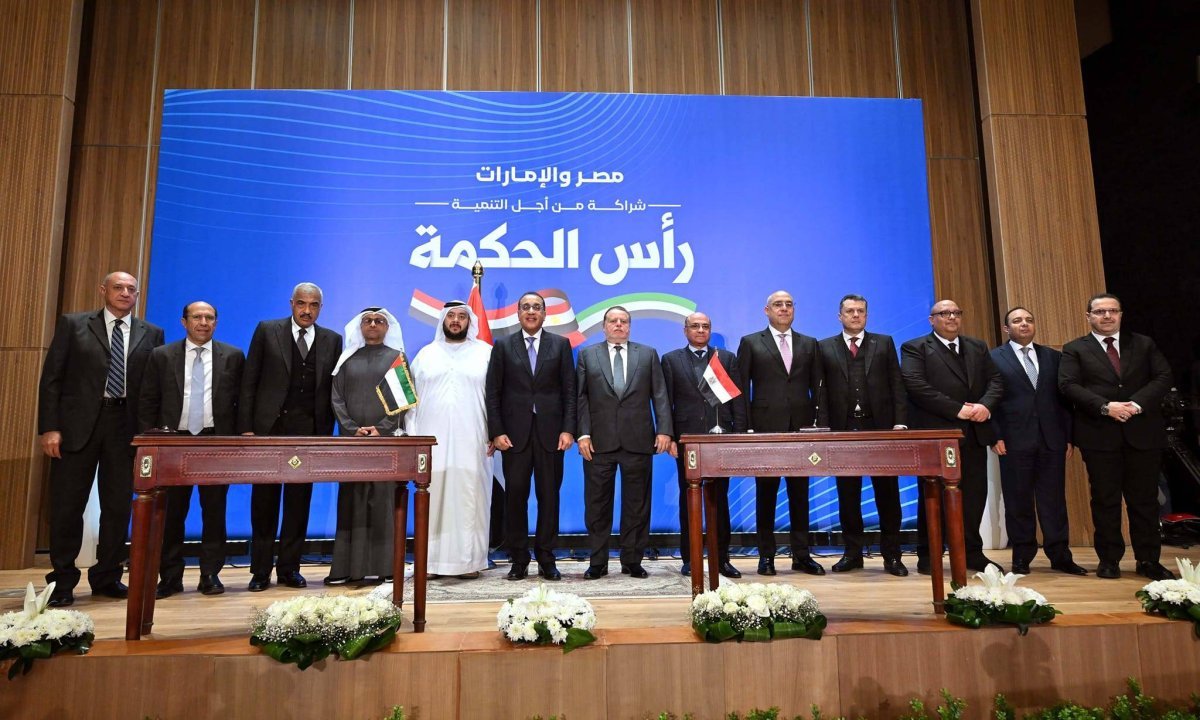
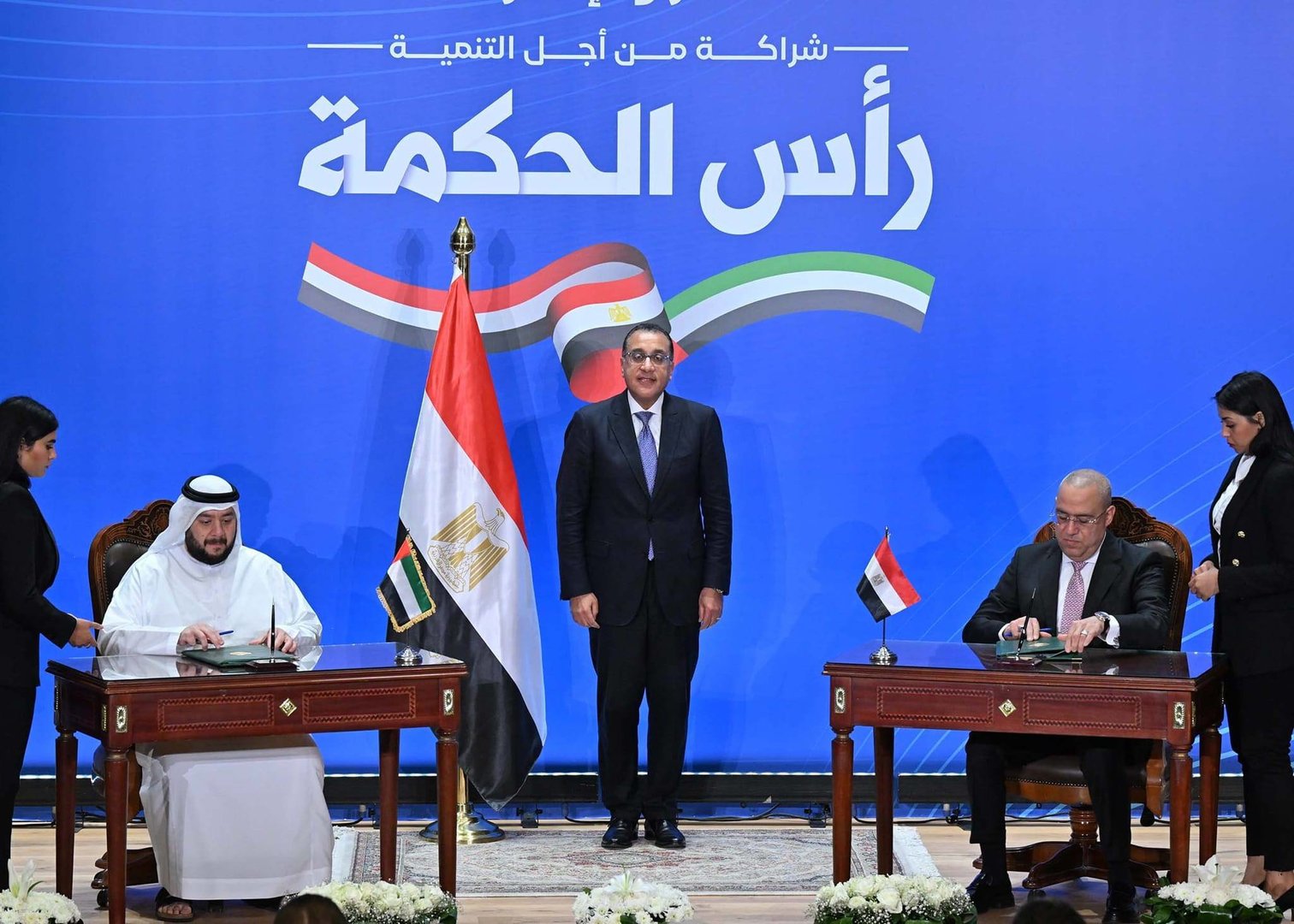
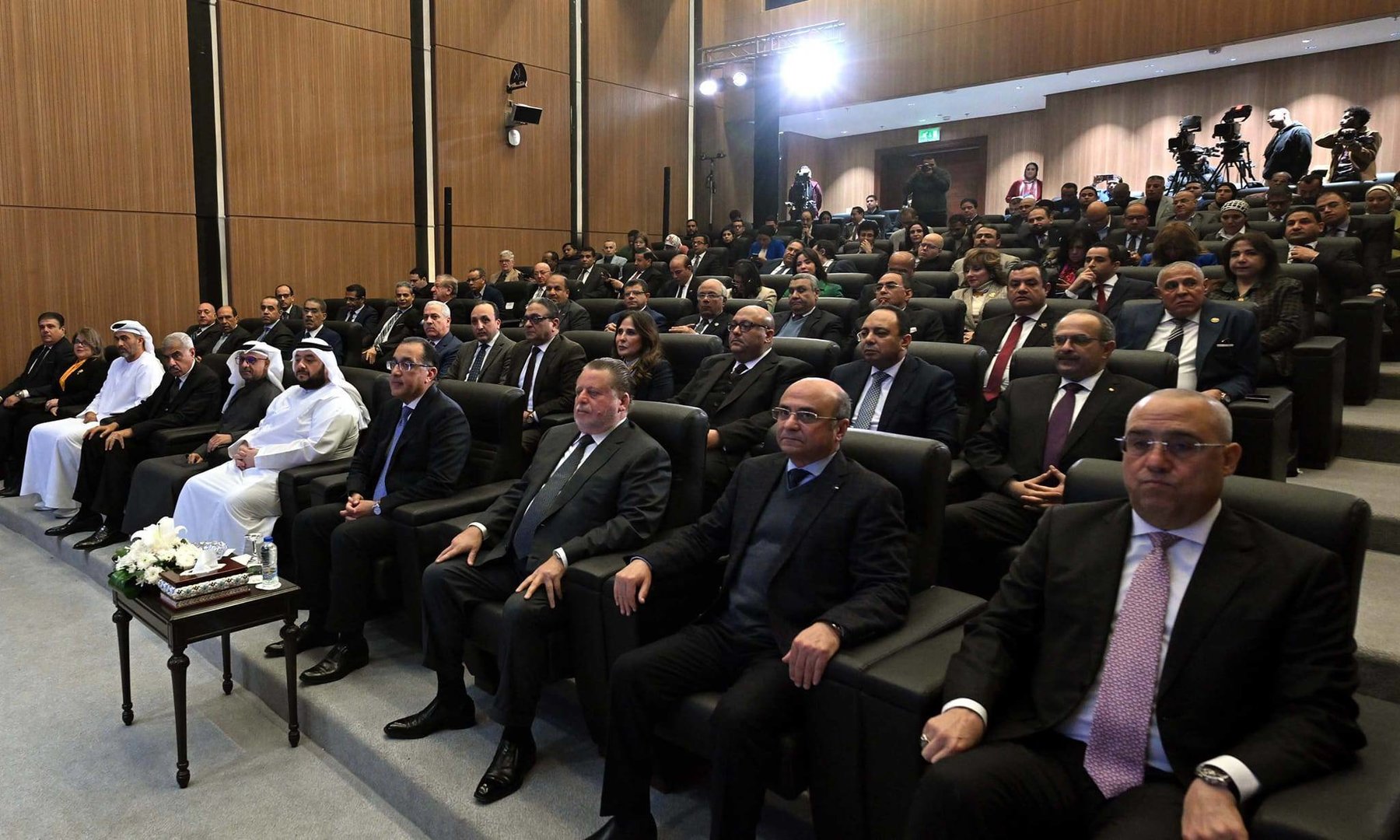
The partnership agreement signing ceremony was held in the country's new administrative capital, where the Egyptian Prime Minister, Mostafa Madbouly, stated that the deal represents "the largest direct investment transaction in Egypt's history,” emphasizing that this transaction "is conducted within the framework of Egyptian investment laws.”
Under the agreement, the Emirati side will pump a direct foreign investment of $35 billion into Egypt in two months, to be paid in two installments; the first, within a week, totaling $15 billion (including $10 billion in cash from abroad and a concession of $5 billion from the UAE’s deposits at the Egyptian Central Bank).
The second installment, to be paid after two months, will amount to $20 billion (including $14 billion in cash from abroad and a concession of $6 billion from the UAE’s deposits at the Central Bank of Egypt).
The Emirati Deposits
The Egyptian Prime Minister revealed that the volume of Emirati deposits at the Central Bank of Egypt is about $11 billion, which will be conceded as part of the investments for the development and urbanization of Ras El Hekma city. He pointed out that Egypt's share in the profits from the Ras El Hekma project in the North Coast is estimated at about 35 percent.
In this context, the Prime Minister stressed that the presence of these deposits in the country "does not mean that they are available for use, as those deposits represent obligations on the Egyptian state, hence the state cannot dispose of them," noting that "the amount will be deducted from Egypt's foreign debt and will be made available as liquidity for the Central Bank of Egypt to deal with the current foreign currency issue." He affirmed that the Ras El Hekma project is a "partnership investment, not an asset sale," and will be carried out within an integrated plan to develop the North Coast with smart cities. He explained that an Egyptian-Emirati company would be established to handle the development of the project, with the Egyptian New Urban Communities Authority representing the Egyptian side.
Curbing Inflation
The Prime Minister predicted that the project would achieve monetary stability for the country and contribute to "curbing" inflation and eliminating the "parallel market" for the dollar. He added that "direct investments of $35 billion will solve a significant part of the current economic crisis."
Madbouly promised to compensate the residents of Marsa Matrouh province, who are present on the land allocated for the project, both in cash and kind. He pointed out that the new Ras El Hekma city would span 170.8 million square meters, provide many job opportunities, and put forth that with such projects, "Egypt can achieve the dream of attracting 40 or 50 million tourists." He added that Abu Dhabi Holding Company would manage the development of an international airport south of Ras El Hekma city, and Abu Dhabi Development Company would be contracted for the airport's development. Ras El Hekma is a coastal area located about 350 kilometers northwest of Cairo.
A Pivotal Step
On its part, the Emirati Holding Company (ADQ), an investment holding company in Abu Dhabi, unveiled plans to invest $35 billion in Egypt. A statement by the company described this investment as "a pivotal step towards establishing Ras El Hekma as a leading destination for Mediterranean Sea holidays, a financial center, and a free zone with world-class infrastructure to enhance economic and tourism growth potentials in Egypt," according to the UAE news agency.
The statement also noted that the Ras El Hekma area, extending over 170 million square meters, is set to become a next-generation city primarily comprising touristic facilities, a free zone, and an investment area, as well as residential, commercial, and entertainment spaces, including ease of local and international connectivity.
Mohammed Hassan Al Suwaidi, the CEO and Managing Director of ADQ, stated that investing in the "Ras El Hekma" area is part of the company's commitment to transforming the region into one of Egypt's most attractive luxury coastal destinations through enabling development projects and vital infrastructure, by working with partners such as Madinat Al Akaria and Talat Mostafa Group to create opportunities across various sectors in Egypt's diverse economy.
An Urgent Solution
Dr. Amani Zakhary, a former dean and professor of International Economics at Helwan University in Cairo, considered the agreement an "urgent solution" to face the dollar gap, a necessary tool needed by the Egyptian government to balance the real exchange rate of the Egyptian pound and the market exchange rate of the dollar in the "parallel market" due to speculation. She pointed out that achieving that comes only by providing dollar resources to cover the needs of the economy in its entirety.
Egypt is suffering from a severe shortage of foreign currency, leading to continuous pressures on the Egyptian pound and government spending. It has also stimulated a black market for foreign exchange. The official exchange rate of the dollar in Egypt is 30.9 Egyptian pounds, while it exceeds twice this value in the parallel market, according to local media reports.
A Comfortable Position
Dr. Mustafa Kamel El-Sayed, a professor of Political Science at the American University in Cairo and the Faculty of Economics and Political Science at Cairo University, believes that the announcement made by the Egyptian Prime Minister regarding the agreement to develop the Ras El Hekma area could have a positive impact on public opinion. The $35 billion expected to be injected within two months's more than Egypt's total expected debt this year, which is considered a "comfortable position for the government whether in terms of external obligations or domestic projects."
He added that the anticipated public reassurance is linked to the effect predicted by this dollar inflow on decreasing inflation rates, especially consumer good prices. However, he called for more investment solutions that attract long-term industrial projects, providing a strong industrial base for employing the workforce, and requested further details about the legal basis on which the land for the project was allocated.
The partnership agreement signing ceremony was held in the country's new administrative capital, where the Egyptian Prime Minister, Mostafa Madbouly, stated that the deal represents "the largest direct investment transaction in Egypt's history,” emphasizing that this transaction "is conducted within the framework of Egyptian investment laws.”
Under the agreement, the Emirati side will pump a direct foreign investment of $35 billion into Egypt in two months, to be paid in two installments; the first, within a week, totaling $15 billion (including $10 billion in cash from abroad and a concession of $5 billion from the UAE’s deposits at the Egyptian Central Bank).
The second installment, to be paid after two months, will amount to $20 billion (including $14 billion in cash from abroad and a concession of $6 billion from the UAE’s deposits at the Central Bank of Egypt).
The Emirati Deposits
The Egyptian Prime Minister revealed that the volume of Emirati deposits at the Central Bank of Egypt is about $11 billion, which will be conceded as part of the investments for the development and urbanization of Ras El Hekma city. He pointed out that Egypt's share in the profits from the Ras El Hekma project in the North Coast is estimated at about 35 percent.
In this context, the Prime Minister stressed that the presence of these deposits in the country "does not mean that they are available for use, as those deposits represent obligations on the Egyptian state, hence the state cannot dispose of them," noting that "the amount will be deducted from Egypt's foreign debt and will be made available as liquidity for the Central Bank of Egypt to deal with the current foreign currency issue." He affirmed that the Ras El Hekma project is a "partnership investment, not an asset sale," and will be carried out within an integrated plan to develop the North Coast with smart cities. He explained that an Egyptian-Emirati company would be established to handle the development of the project, with the Egyptian New Urban Communities Authority representing the Egyptian side.
Curbing Inflation
The Prime Minister predicted that the project would achieve monetary stability for the country and contribute to "curbing" inflation and eliminating the "parallel market" for the dollar. He added that "direct investments of $35 billion will solve a significant part of the current economic crisis."
Madbouly promised to compensate the residents of Marsa Matrouh province, who are present on the land allocated for the project, both in cash and kind. He pointed out that the new Ras El Hekma city would span 170.8 million square meters, provide many job opportunities, and put forth that with such projects, "Egypt can achieve the dream of attracting 40 or 50 million tourists." He added that Abu Dhabi Holding Company would manage the development of an international airport south of Ras El Hekma city, and Abu Dhabi Development Company would be contracted for the airport's development. Ras El Hekma is a coastal area located about 350 kilometers northwest of Cairo.
A Pivotal Step
On its part, the Emirati Holding Company (ADQ), an investment holding company in Abu Dhabi, unveiled plans to invest $35 billion in Egypt. A statement by the company described this investment as "a pivotal step towards establishing Ras El Hekma as a leading destination for Mediterranean Sea holidays, a financial center, and a free zone with world-class infrastructure to enhance economic and tourism growth potentials in Egypt," according to the UAE news agency.
The statement also noted that the Ras El Hekma area, extending over 170 million square meters, is set to become a next-generation city primarily comprising touristic facilities, a free zone, and an investment area, as well as residential, commercial, and entertainment spaces, including ease of local and international connectivity.
Mohammed Hassan Al Suwaidi, the CEO and Managing Director of ADQ, stated that investing in the "Ras El Hekma" area is part of the company's commitment to transforming the region into one of Egypt's most attractive luxury coastal destinations through enabling development projects and vital infrastructure, by working with partners such as Madinat Al Akaria and Talat Mostafa Group to create opportunities across various sectors in Egypt's diverse economy.
An Urgent Solution
Dr. Amani Zakhary, a former dean and professor of International Economics at Helwan University in Cairo, considered the agreement an "urgent solution" to face the dollar gap, a necessary tool needed by the Egyptian government to balance the real exchange rate of the Egyptian pound and the market exchange rate of the dollar in the "parallel market" due to speculation. She pointed out that achieving that comes only by providing dollar resources to cover the needs of the economy in its entirety.
Egypt is suffering from a severe shortage of foreign currency, leading to continuous pressures on the Egyptian pound and government spending. It has also stimulated a black market for foreign exchange. The official exchange rate of the dollar in Egypt is 30.9 Egyptian pounds, while it exceeds twice this value in the parallel market, according to local media reports.
A Comfortable Position
Dr. Mustafa Kamel El-Sayed, a professor of Political Science at the American University in Cairo and the Faculty of Economics and Political Science at Cairo University, believes that the announcement made by the Egyptian Prime Minister regarding the agreement to develop the Ras El Hekma area could have a positive impact on public opinion. The $35 billion expected to be injected within two months's more than Egypt's total expected debt this year, which is considered a "comfortable position for the government whether in terms of external obligations or domestic projects."
He added that the anticipated public reassurance is linked to the effect predicted by this dollar inflow on decreasing inflation rates, especially consumer good prices. However, he called for more investment solutions that attract long-term industrial projects, providing a strong industrial base for employing the workforce, and requested further details about the legal basis on which the land for the project was allocated.