
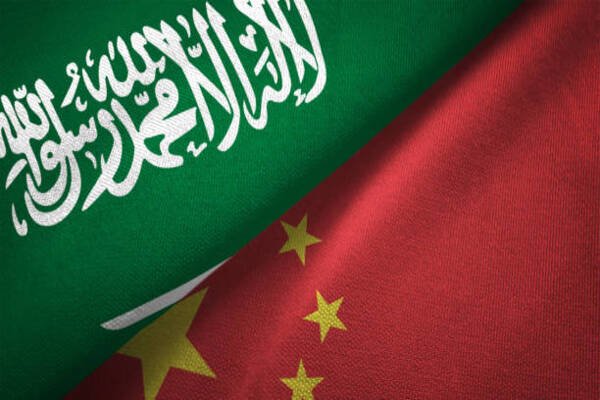
China Extends Visa-Free Entry for Saudi Citizens Until End of 2026
The policy aims to boost travel, tourism and economic ties between China and Saudi Arabia by removing visa requirements for Saudi nationals until December 31 2026
China has extended a visa-free travel scheme for Saudi Arabian citizens, allowing those holding ordinary passports to enter China without a visa until December 31 2026. The policy enables visits of up to thirty days for business, tourism, family visits, cultural exchanges or transit.
The exemption forms part of Beijing’s broader strategy to open up travel access and deepen strategic partnerships with key countries.
For Saudi Arabia, the move aligns with its Vision 2030 aim to diversify the economy and build stronger people-to-people and economic links with global partners.
Under this arrangement, Saudi travellers will face no visa fees or application processes for short stays within China’s designated thirty-day window.
While bilateral trade and energy ties between the two nations have long been strong, this change signals a marked increase in the commitment to facilitate travel, investment and mutual cultural engagement.
Chinese authorities described the decision as a continuation of their “high-level opening-up” policy, designed to bolster inbound tourism, trade cooperation and global connectivity.
Saudi officials welcomed the measure as enhancing access to Chinese markets, cultural destinations and business opportunities.
This visa-waiver extension comes amid a broader diplomacy push: China’s Vice-President Han Zheng recently met Saudi Arabia’s Crown Prince Mohammed bin Salman in Riyadh to reinforce strategic cooperation across economic and security domains.
As bilateral ties enter a new phase, the increased ease of travel is expected to support emerging joint ventures, tourism flows and educational exchanges.
With the visa provision now secured through the end of 2026, businesses and travellers from Saudi Arabia are positioned to explore China’s cities, technology hubs and cultural sites with fewer entry barriers, while both nations seek to build on the momentum through investment, industrial collaboration and stronger human connections.
The exemption forms part of Beijing’s broader strategy to open up travel access and deepen strategic partnerships with key countries.
For Saudi Arabia, the move aligns with its Vision 2030 aim to diversify the economy and build stronger people-to-people and economic links with global partners.
Under this arrangement, Saudi travellers will face no visa fees or application processes for short stays within China’s designated thirty-day window.
While bilateral trade and energy ties between the two nations have long been strong, this change signals a marked increase in the commitment to facilitate travel, investment and mutual cultural engagement.
Chinese authorities described the decision as a continuation of their “high-level opening-up” policy, designed to bolster inbound tourism, trade cooperation and global connectivity.
Saudi officials welcomed the measure as enhancing access to Chinese markets, cultural destinations and business opportunities.
This visa-waiver extension comes amid a broader diplomacy push: China’s Vice-President Han Zheng recently met Saudi Arabia’s Crown Prince Mohammed bin Salman in Riyadh to reinforce strategic cooperation across economic and security domains.
As bilateral ties enter a new phase, the increased ease of travel is expected to support emerging joint ventures, tourism flows and educational exchanges.
With the visa provision now secured through the end of 2026, businesses and travellers from Saudi Arabia are positioned to explore China’s cities, technology hubs and cultural sites with fewer entry barriers, while both nations seek to build on the momentum through investment, industrial collaboration and stronger human connections.