

The double standard of the return-to-office
After months of working from home during the worst of the pandemic, a few months ago Sneha, who works in promotions in the UK, was asked to come back into the office. She and her colleagues have since been going in a few times each week – but her bosses have not. “They come in once every few weeks,” says Sneha, whose surname is being withheld for job-security concerns. “Not often.”
Now, Sneha and her colleagues complete long and expensive commutes to sit in “a small, dark room” in a co-working space, while the bosses are still working from home. Cramped quarters is the excuse, she says. “But it's demotivating. It feels like us employees are not important, as they never come in to see us.”
At times, it’s difficult to get hold of her bosses to speak to them, let alone have any actual face time. She says the company on the whole feels fractured. “There's not really a company culture making you want to stay at the job,” she says.
As pandemic restrictions ease, many managers are requiring their employees, like Sneha, come back to the office. Yet as their workers begrudgingly trudge back in, senior-level employees aren’t always making their way in themselves.
In April 2022, data from workplace-messaging company Slack’s annual Future Forum report showed there was a “large and growing disconnect” between work flexibility for non-executive and executive staff. The researchers found regular staff were nearly two times more likely than executives to work full-time in the office. In other words, junior staff were being asked to come in, while bosses were largely staying home.
Increasingly, workers themselves are also reporting bosses are eschewing their own rules, creating a double standard for the return to office. And it’s not sitting well with the employees back at their desks.
Not leading by example
While Sneha’s bosses have claimed a lack of space is keeping them home, others might say they don’t need to come into the office as they are doing different, more high-level work. “They’ll say they don't need to see customers, clients or patients because they are senior, and they look at strategy and policy [instead],” says Cary Cooper, a professor of organisational psychology and health at Manchester Business School, University of Manchester, UK.“But it's not leading by example, is it?”
 Bosses' absences can hit morale – especially when there's no explanation to more junior workers
There is also the possibility that some managers see choosing to work from home as a benefit of seniority that their reports don’t share. “Some bosses believe they have the right given that they’re in a leadership role,” says Cooper. “That entitles them to decide for themselves what they do and what other people do.”
Certain types of top brass may be more prone to impose such an unfair-seeming rule. Cooper calls their management style “command and control”. Typically, they are autocratic and prefer to hold power over others, rather than allowing for the level of autonomy and flexibility that working from home typically enables.
For other people managers, it’s a matter of trust in the new mechanisms of remote work – or lack thereof. For many companies, remote-work strategies implemented during the pandemic were emergency measures that managers do not believe in long-term, says Susan Vroman, lecturer in management at Bentley University, Massachusetts, US. “You have managers who are still reticent to trust the process, and reticent to trust their people.” For leaders in this position, calling workers back into the office feels like a safe bet – but one they don’t necessarily need to make for themselves.
Yet not all managers buck the rules just because they are in power.
Experts suggest some bosses may be staying home to address their own problems, especially as managers were statistically among the most burned out workers in 2021, a Gallup study showed, with their levels of burnout increasing throughout the year. Workers across the board have experienced high levels of stress during the pandemic, which for many is exacerbated by the return to the office. But managers, more than others, are able to act on the temptation to stay home and reduce stress, even if they would otherwise want to lead by example. “Even if you have the heart of a leader,” says Vroman, “perhaps you’re burnt out.”
However, although managers may be trying to care for themselves by staying behind, if junior staff don’t know the reasons why their bosses are not coming in, resentment can build – just like in Sneha’s case.
The impact of an unfair rule
If a people manager or executive isn’t coming in while they’re asking their staff to, the results are unlikely to benefit the team. In Sneha’s case, her bosses’ absence means there is a lack of care around even the most basic of employee needs – no one is making sure that her office is stocked with things like pens, paper, tea and coffee.
But the emotional fallout of the double standard can be even more damaging, breeding tension and discord as well as chipping away at the foundational relationships necessary in a workplace.
If you have a different rule for your employees and for yourself, you lose a lot of trust – Susan Vroman
Trust is likely the first casualty in the employee-manager dynamic. “If you have a different rule for your employees and for yourself, you lose a lot of trust. That is the biggest problem,” says Vroman.
This can be particularly destabilising for employees during times of crisis, especially when many have valid fears and concerns around returning to work in person, yet feel ignored or deprioritised. “Getting through a pandemic, we all need to trust that the place where we work is going to do the right thing by us,” she adds.
And the feeling of powerlessness in such an unfair situation can be damaging on a personal level. “From an emotional point of view, lack of control causes people to get stressed and to get ill. It leads to lack of mental wellbeing,” adds Cooper. While managers were hugely burned out during remote work, for workers who are now full-time in office, the Future Forum report showed non-executives’ work-life balance scores were 40% lower than their bosses, and they reported twice the amount of work-related stress and anxiety.
The overall hypocrisy of the situation, coupled with a seeming lack of care from bosses, can also cause negative feelings to flourish. “Employees won’t feel they have any voice,” says Cooper. “When there’s a mismatch between the leaders’ expectation of others and their actual behaviour, that can cause subliminal anger among employees.”
The result of this lack of goodwill between managers and their staff can backfire for the managers themselves, too. It creates “teams that are not motivated because they feel they have no control, no autonomy, aren’t valued and have no say,” says Cooper. For the organisation as a whole, a sustained, widespread reduction in motivation will ultimately impact business outcomes.
‘No one’s on the same page’
For knowledge workers, the shift to remote work was swift and applied across the board. The transition back to the office, however, has been more nebulous.
Companies are struggling to standardise plans, and even when businesses define and attempt to implement them, the ever-shifting situation has made consistency impossible. There is no consensus on how often workers should return to the office, across companies themselves as well as for businesses writ large. This means, in sectors, organisations and even within teams, “no one’s on the same page”, says Vroman. And this has set the stage for this damaging double standard between managers and reports to play out.
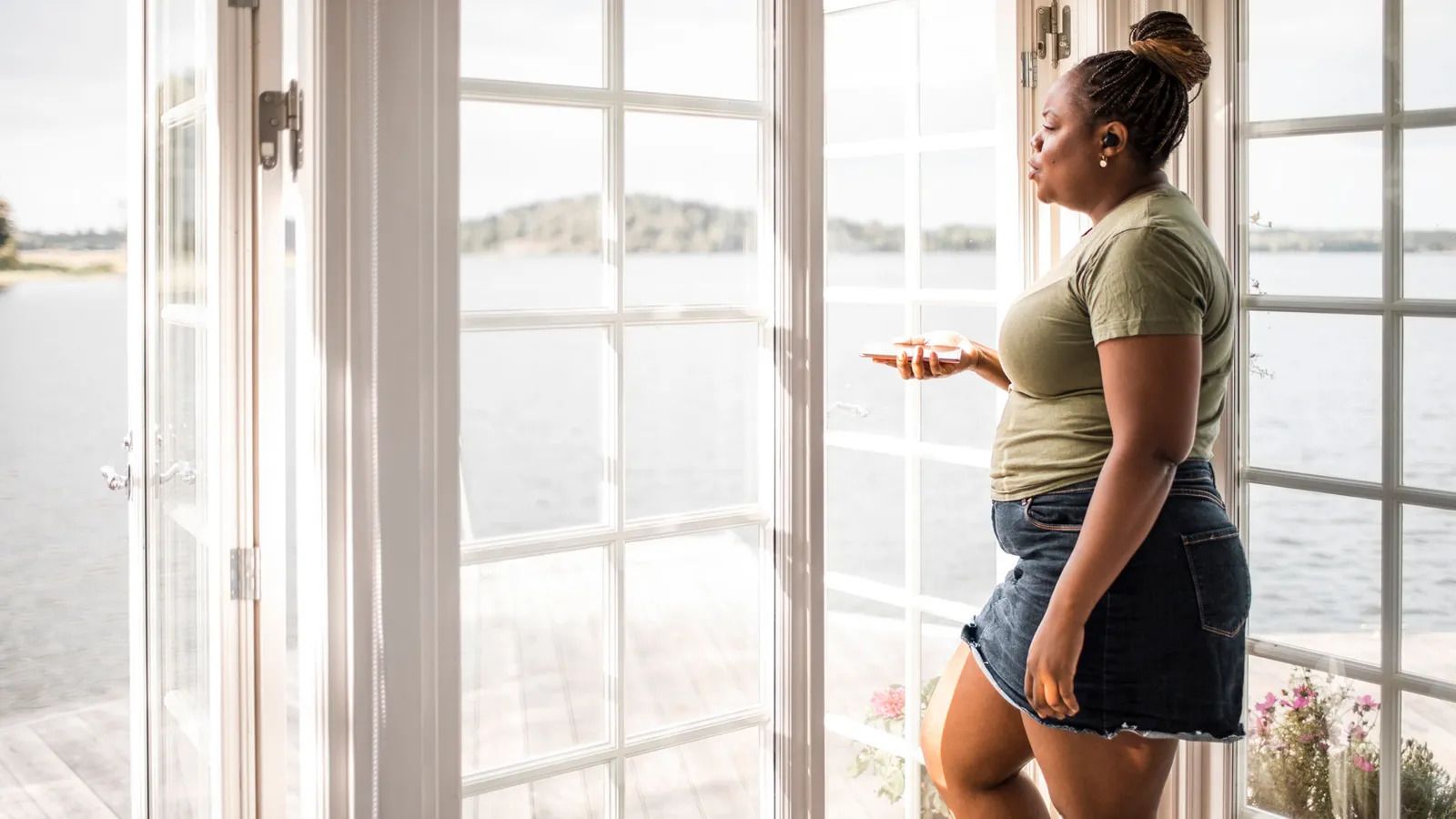 Managers may feel they've earned the right to work remotely, yet companies need cohesive policies to avoid losing talent
However, these shifting sands will eventually settle, and when they do, it’s likely that managers will also have to find their way back into offices, or offer more junior staff the same flexibility they are benefitting from.
The first reason? Organisations will realise it is bad business to do otherwise. “They’re going to lose performance and they’re going to lose talent,” says Cooper, adding that younger workers especially are unlikely to stay with workplaces that don’t offer high levels of flexibility, especially if they don’t feel heard by the organisation. Ultimately, he says, such companies “will not attract the next generation of employees, and it will affect their bottom line”.
As organisations firm up their remote policies, it will also give some managers – particularly those in middle management – less room to interpret rules to their own advantage. Ultimately, Vroman says it is unlikely to be individual managers who have the final say on who comes in and who doesn’t. “It’s not the manager’s responsibility to figure out how can we sustain remote, it’s a macro-organisational issue,” she says.
While workers wait for this to happen, what are the options for those back in the office while their managers are not? Cooper sees four possibilities: speak to the boss about the disparity (in a “non-aggressive way”, he advises), bring the issue up with HR, put up with the situation or leave.
Sneha, for one, is opting to stay. At the moment, she doesn’t plan to leave her job, but she hopes her bosses will change their approach. “I would like them to come in to create a culture and allow for team bonding,” she says. Her wish to spend time with her bosses is also a compliment, in its own way. Despite the double standard, from what she sees online, her bosses seem like nice people – getting the opportunity to know them better in person might prove this to be true.