Saudi Press

Saudi Arabia and the world
Sunday, Jan 11, 2026

Supermarket boss says Britons buying more frozen food as inflation worsens

Supermarket boss says Britons buying more frozen food as inflation worsens

Sainsbury’s CEO Simon Roberts said shoppers were visiting stores more often but buying less on each trip as after UK’s inflation reached new highs.

Cash-strapped Britons are buying more cheap frozen food to help cut waste and cope with “unprecedented” soaring living costs, the boss of supermarket group Sainsbury’s said.

Chief Executive Simon Roberts said shoppers were “watching every penny and every pound”, visiting stores more often but buying less on each trip, and using technology to monitor their spending to avoid “till shock” at the checkout.

“In many ways there is no playbook for what we’re dealing with at the moment, these are unprecedented circumstances,” said Roberts, a 30-year veteran of the UK retail sector who has run Britain’s second-biggest supermarket since 2020.

Britain’s cost-of-living crisis is worsening, with pessimism among households hitting record levels.

Wages are struggling to keep pace with inflation that reached an over 40-year high of 9.1 per cent in May and is heading for double digits. Food inflation is predicted to hit 15 per cent this summer and 20 per cent early next year, according to some forecasts.

“There is some evidence of customers shopping [more] to own brand and also areas like frozen are increasing,” Roberts said, on a tour of a Sainsbury’s store in Richmond, south west London. “People are looking at making sure that they don’t incur any waste.”

He said people were buying “for now” only, and making sure they do not buy products they may not use.

Market researcher NielsenIQ said on Tuesday UK sales of frozen poultry jumped 12 per cent year-on-year in the four weeks to June 18.

Frozen food became popular in Britain in the 1970s and with prices often lower than fresh goods, it can return to fashion in times of economic hardship.
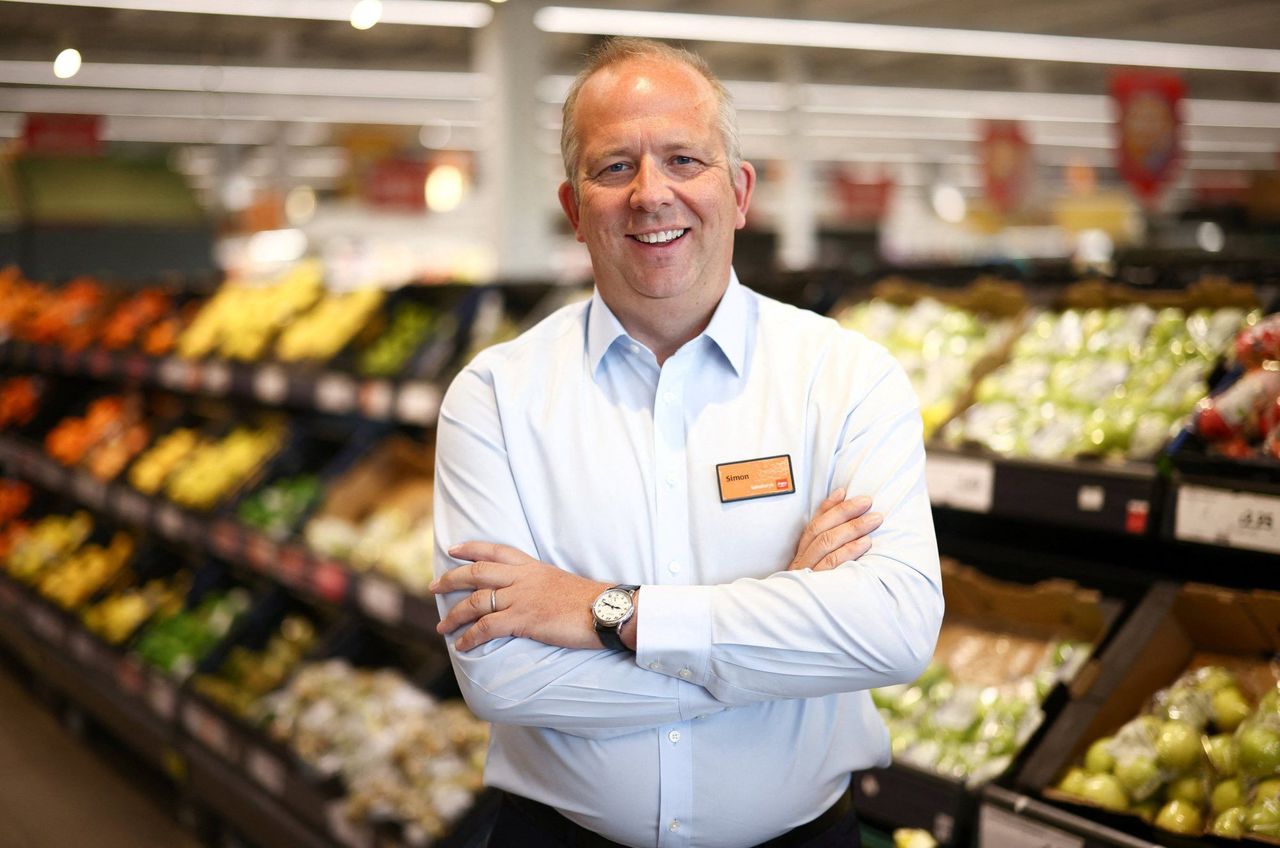
Sainsbury’s CEO Simon Roberts.


Roberts said Sainsbury’s had recently revamped its frozen category.

Market leader Tesco said earlier this month that Britons were trading down to cheaper products.

Sainsbury’s – like Tesco, No 3 Asda and No 4 Morrisons – has learned valuable lessons from the 2008 financial crisis when higher prices enabled German-owned discounters Aldi and Lidl to eat into their market share.

“The lessons learned are – you’ve got to be absolutely on it on value,” said Roberts.

“When customers are concerned and anxious about conditions out there they’ve got to be confident in your availability, in your service, in your delivery and you’ve got to make sure that you innovate when you need to,” he said.

“We’ve moved at speed to respond on all those things.”
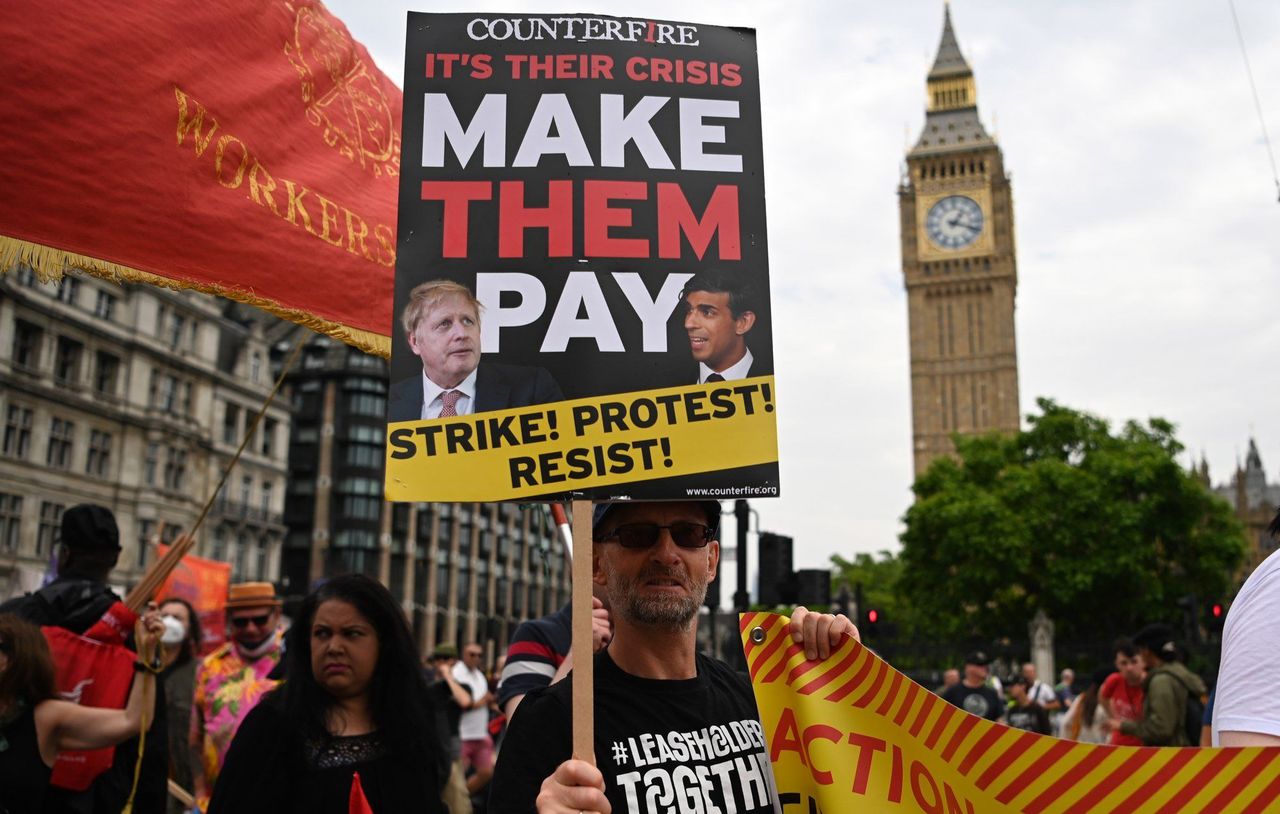
Britons protest against the increasing cost of living in the country.


Roberts said the public’s perception of Sainsbury’s value had improved after it matched the prices of 250, mainly fresh, items to those at Aldi, while another scheme covering 1,800, mainly branded, products holds prices for at least eight weeks. Its Nectar Prices scheme also provides personalised offers.

“The fundamental here is that we have brought prices down on the products customers buy most of,” he said.

Sainsbury’s, which has also revived its “Feed Your Family for a Fiver” campaign that was first launched in 2008, says it is winning market share in terms of volume sold and that its overall prices are rising 1-2 per cent less than the broader market.

To stay competitive, Sainsbury’s is spending 500 million pounds over the two years to March 2023 to keep a lid on prices, but that comes at a cost.

In April, it joined Tesco in warning of a drop in profit this year and its shares are down 23 per cent so far in 2022.

Its guidance takes account of the major hike in energy bills that is due to arrive in October.

“Customers are going to be watching even more acutely how much they can afford to spend in the autumn and so we’ve got to be prepared for that,” said Roberts.

He urged the government to do more to help, noting Sainsbury’s pays almost as much tax on its properties as it makes in operating profit.

“If business rate reform was accelerated, that would take [out] further cost that we could reinvest in prices,” he said.

Sainsbury’s updates on first quarter trading next Tuesday.

Newsletter

Related Articles

Saudi Press
0:00
0:00
Close
There is no sovereign immunity for poisoning millions with drugs.
Mohammed bin Salman’s Global Standing: Strategic Partner in Transition Amid Debate Over His Role
Saudi Arabia Opens Property Market to Foreign Buyers in Landmark Reform
The U.S. State Department’s account in Persian: “President Trump is a man of action. If you didn’t know it until now, now you do—do not play games with President Trump.”
CNN’s Ranking of Israel’s Women’s Rights Sparks Debate After Misleading Global Index Comparison
Saudi Arabia’s Shifting Regional Alignment Raises Strategic Concerns in Jerusalem
OPEC+ Holds Oil Output Steady Amid Member Tensions and Market Oversupply
Iranian Protests Intensify as Another Revolutionary Guard Member Is Killed and Khamenei Blames the West
President Trump Says United States Will Administer Venezuela Until a Secure Leadership Transition
Delta Force Identified as Unit Behind U.S. Operation That Captured Venezuela’s President
Trump Announces U.S. Large-Scale Strike on Venezuela, Declares President Maduro and Wife Captured
Saudi-UAE Rift Adds Complexity to Middle East Diplomacy as Trump Signals Firm Leadership
OPEC+ to Keep Oil Output Policy Unchanged Despite Saudi-UAE Tensions Over Yemen
Saudi Arabia and UAE at Odds in Yemen Conflict as Southern Offensive Deepens Gulf Rift
Abu Dhabi ‘Capital of Capital’: How Abu Dhabi Rose as a Sovereign Wealth Power
Diamonds Are Powering a New Quantum Revolution
Trump Threatens Strikes Against Iran if Nuclear Programme Is Restarted
Why Saudi Arabia May Recalibrate Its US Spending Commitments Amid Rising China–America Rivalry
Riyadh Air’s First Boeing 787-9 Dreamliner Completes Initial Test Flight, Advancing Saudi Carrier’s Launch
Saudi Arabia’s 2025: A Pivotal Year of Global Engagement and Domestic Transformation
Saudi Arabia to Introduce Sugar-Content Based Tax on Sweetened Drinks from January 2026
Saudi Hotels Prepare for New Hospitality Roles as Alcohol Curbs Ease
Global Airports Forum Highlights Saudi Arabia’s Emergence as a Leading Aviation Powerhouse
Saudi Arabia Weighs Strategic Choice on Iran Amid Regional Turbulence
Not Only F-35s: Saudi Arabia to Gain Access to the World’s Most Sensitive Technology
Saudi Arabia Condemns Sydney Bondi Beach Shooting and Expresses Solidarity with Australia
Washington Watches Beijing–Riyadh Rapprochement as Strategic Balance Shifts
Saudi Arabia Urges Stronger Partnerships and Efficient Aid Delivery at OCHA Donor Support Meeting in Geneva
Saudi Arabia’s Vision 2030 Drives Measurable Lift in Global Reputation and Influence
Alcohol Policies Vary Widely Across Muslim-Majority Countries, With Many Permitting Consumption Under Specific Rules
Saudi Arabia Clarifies No Formal Ban on Photography at Holy Mosques for Hajj 2026
Libya and Saudi Arabia Sign Strategic MoU to Boost Telecommunications Cooperation
Elon Musk’s xAI Announces Landmark 500-Megawatt AI Data Center in Saudi Arabia
Israel Moves to Safeguard Regional Stability as F-35 Sales Debate Intensifies
Cardi B to Make Historic Saudi Arabia Debut at Soundstorm 2025 Festival
U.S. Democratic Lawmakers Raise National Security and Influence Concerns Over Paramount’s Hostile Bid for Warner Bros. Discovery
Hackers Are Hiding Malware in Open-Source Tools and IDE Extensions
Traveling to USA? Homeland Security moving toward requiring foreign travelers to share social media history
Wall Street Analysts Clash With Riyadh Over Saudi Arabia’s Deficit Outlook
Trump and Saudi Crown Prince Cement $1 Trillion-Plus Deals in High-Profile White House Summit
Saudi Arabia Opens Alcohol Sales to Wealthy Non-Muslim Residents Under New Access Rules
U.S.–Saudi Rethink Deepens — Washington Moves Ahead Without Linking Riyadh to Israel Normalisation
Saudi Arabia and Israel Deprioritise Diplomacy: Normalisation No Longer a Middle-East Priority
Saudi Arabia Positions Itself as the Backbone of the Global AI Era
As Trump Deepens Ties with Saudi Arabia, Push for Israel Normalization Takes a Back Seat
Thai Food Village Debuts at Saudi Feast Food Festival 2025 Under Thai Commerce Minister Suphajee’s Lead
Saudi Arabia Sharpens Its Strategic Vision as Economic Transformation Enters New Phase
Saudi Arabia Projects $44 Billion Budget Shortfall in 2026 as Economy Rebalances
OPEC+ Unveils New Capacity-Based System to Anchor Future Oil Output Levels
Will Saudi Arabia End Up Bankrolling Israel’s Post-Ceasefire Order in Lebanon?
×