
Eid Al-Fitr: Expressing Love and Gratitude Through Traditional and Modern Eidiyah
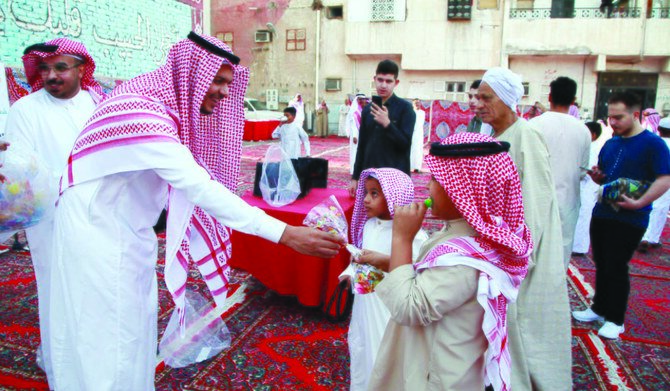
Eid Al-Fitr, marking the end of Ramadan, is celebrated with exchanging Eid gifts or Eidiyah as a sign of love and gratitude.
The most common Eidiyah are money and sweets, symbolizing generosity and love among family and friends.
Eid is a time of joy, unity, and spiritual reset after a month of worship and introspection.
During Eid in Saudi Arabia, homes are filled with sweets, coffee, and pastries for family gatherings.
Eid is a time for giving gifts, including money, representing generosity and love.
Traditional gifts include high-quality perfumes or essential oils for self-care.
Sweets can be regular candies, chocolate, or traditional pastries like kulaija and mamoul, garnished with coconut, raisins, and cinnamon.
Eid is a festival of love, unity, and gratitude, and the exchange of gifts enhances the joyful atmosphere.
During Eid, the traditional Islamic festival, fragrances such as oud and essential oils are highly valued gifts in Saudi Arabian culture.
These presents reflect the significance of personal grooming and self-care.
Eid is a celebration of love, unity, and gratitude, and the exchange of gifts enhances the joyful atmosphere.
Bakhour and oud are commonly given to spouses, parents, and the elderly.
Eman Al-Abdulrahman, a Saudi mother, shared her family's gifting traditions, which involve categorizing Eidiyah (gifts) into three groups: sweets for children, money for young adults, and perfumes, musk, or oud for the elderly.
Eid is a celebratory festival promoting love, unity, and gratitude.
Traditional Eidiyah (gifts) include spiritual items like prayer mats, misbaha, or the Qur'an.
Jewelry is popular for women, leading to a gold market boom during Ramadan.
Sweets, including candies, chocolates, and traditional pastries, are also given.
Unconventional presents have become popular among young Saudis.
During Eid celebrations, giving home decor items, scented candles, lanterns, and other symbolic gifts can create lasting memories.
Some people use this occasion to buy new furnishings for their homes, while others prefer kitchenware or practical gifts.
Unusual Eidiyah can include these types of presents.
Sweets are also a common part of Eid, with candies, chocolates, and traditional pastries like Kulaija and Mamoul being popular options.
Bouder Abdulaziz, a Saudi woman from Jeddah, shared that her family gives money as Eidiyah to adults, while children give symbolic gifts like perfumes or teapots.
During Eid celebrations, the speaker's family practices a gift-giving tradition where each person chooses a number and receives the corresponding gift.
This tradition adds to the festival's atmosphere of love, unity, and gratitude.
Regardless of whether people give traditional or modern gifts, the essence of Eid remains the same - expressing love, celebrating, and creating cherished memories.
Eid is a time of joy, unity, and spiritual reset after a month of worship and introspection.
During Eid in Saudi Arabia, homes are filled with sweets, coffee, and pastries for family gatherings.
Eid is a time for giving gifts, including money, representing generosity and love.
Traditional gifts include high-quality perfumes or essential oils for self-care.
Sweets can be regular candies, chocolate, or traditional pastries like kulaija and mamoul, garnished with coconut, raisins, and cinnamon.
Eid is a festival of love, unity, and gratitude, and the exchange of gifts enhances the joyful atmosphere.
During Eid, the traditional Islamic festival, fragrances such as oud and essential oils are highly valued gifts in Saudi Arabian culture.
These presents reflect the significance of personal grooming and self-care.
Eid is a celebration of love, unity, and gratitude, and the exchange of gifts enhances the joyful atmosphere.
Bakhour and oud are commonly given to spouses, parents, and the elderly.
Eman Al-Abdulrahman, a Saudi mother, shared her family's gifting traditions, which involve categorizing Eidiyah (gifts) into three groups: sweets for children, money for young adults, and perfumes, musk, or oud for the elderly.
Eid is a celebratory festival promoting love, unity, and gratitude.
Traditional Eidiyah (gifts) include spiritual items like prayer mats, misbaha, or the Qur'an.
Jewelry is popular for women, leading to a gold market boom during Ramadan.
Sweets, including candies, chocolates, and traditional pastries, are also given.
Unconventional presents have become popular among young Saudis.
During Eid celebrations, giving home decor items, scented candles, lanterns, and other symbolic gifts can create lasting memories.
Some people use this occasion to buy new furnishings for their homes, while others prefer kitchenware or practical gifts.
Unusual Eidiyah can include these types of presents.
Sweets are also a common part of Eid, with candies, chocolates, and traditional pastries like Kulaija and Mamoul being popular options.
Bouder Abdulaziz, a Saudi woman from Jeddah, shared that her family gives money as Eidiyah to adults, while children give symbolic gifts like perfumes or teapots.
During Eid celebrations, the speaker's family practices a gift-giving tradition where each person chooses a number and receives the corresponding gift.
This tradition adds to the festival's atmosphere of love, unity, and gratitude.
Regardless of whether people give traditional or modern gifts, the essence of Eid remains the same - expressing love, celebrating, and creating cherished memories.
Translation:
Translated by AI