
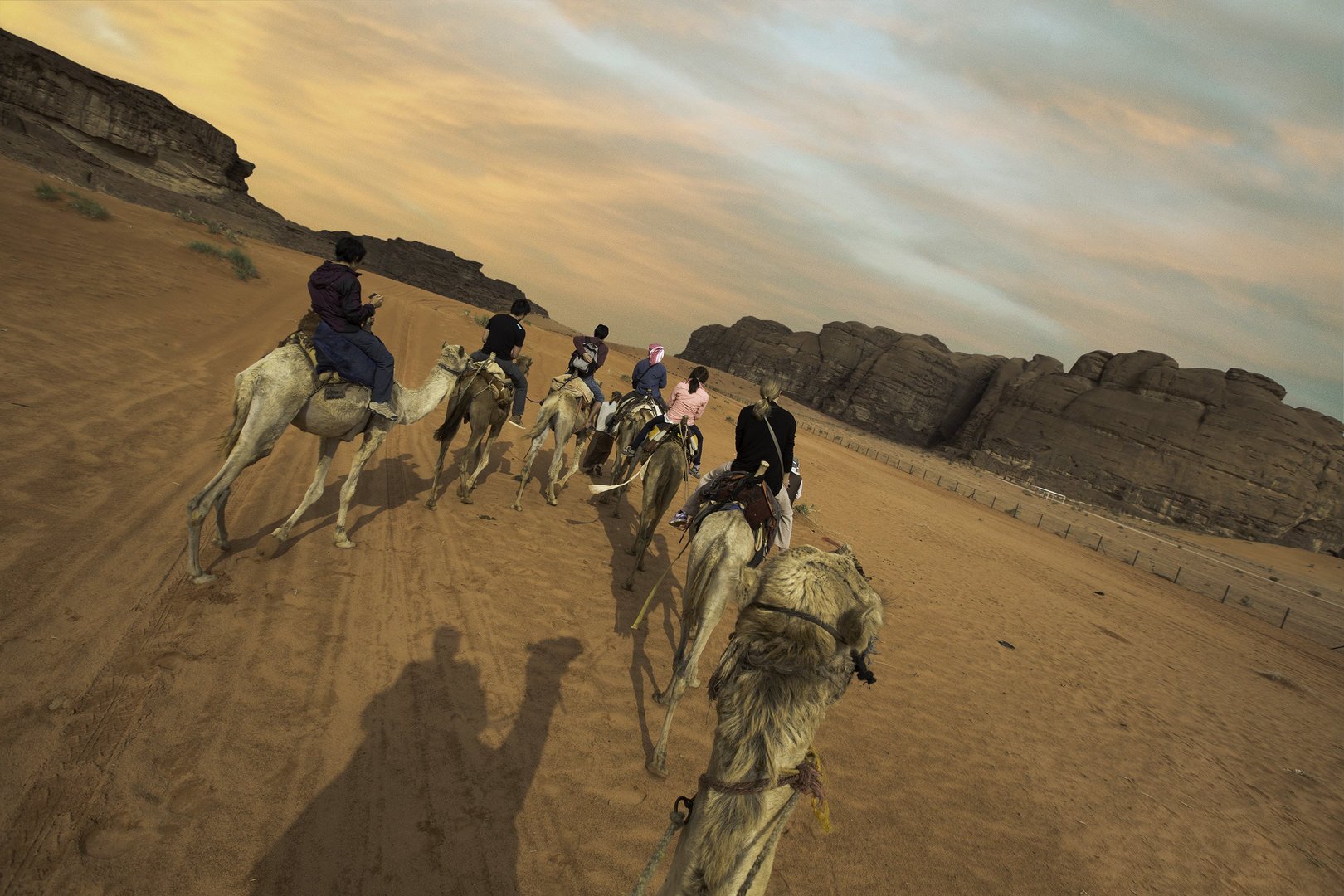
Arab-Camel Connection: A Tale of Endurance
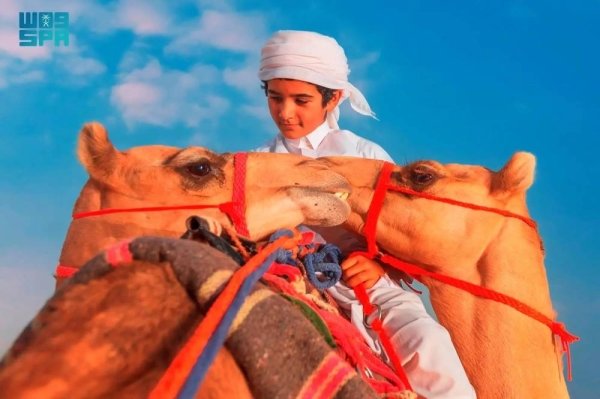
The enduring bond between Arabs and camels reflects a mutual reliance essential for survival in the vast deserts.
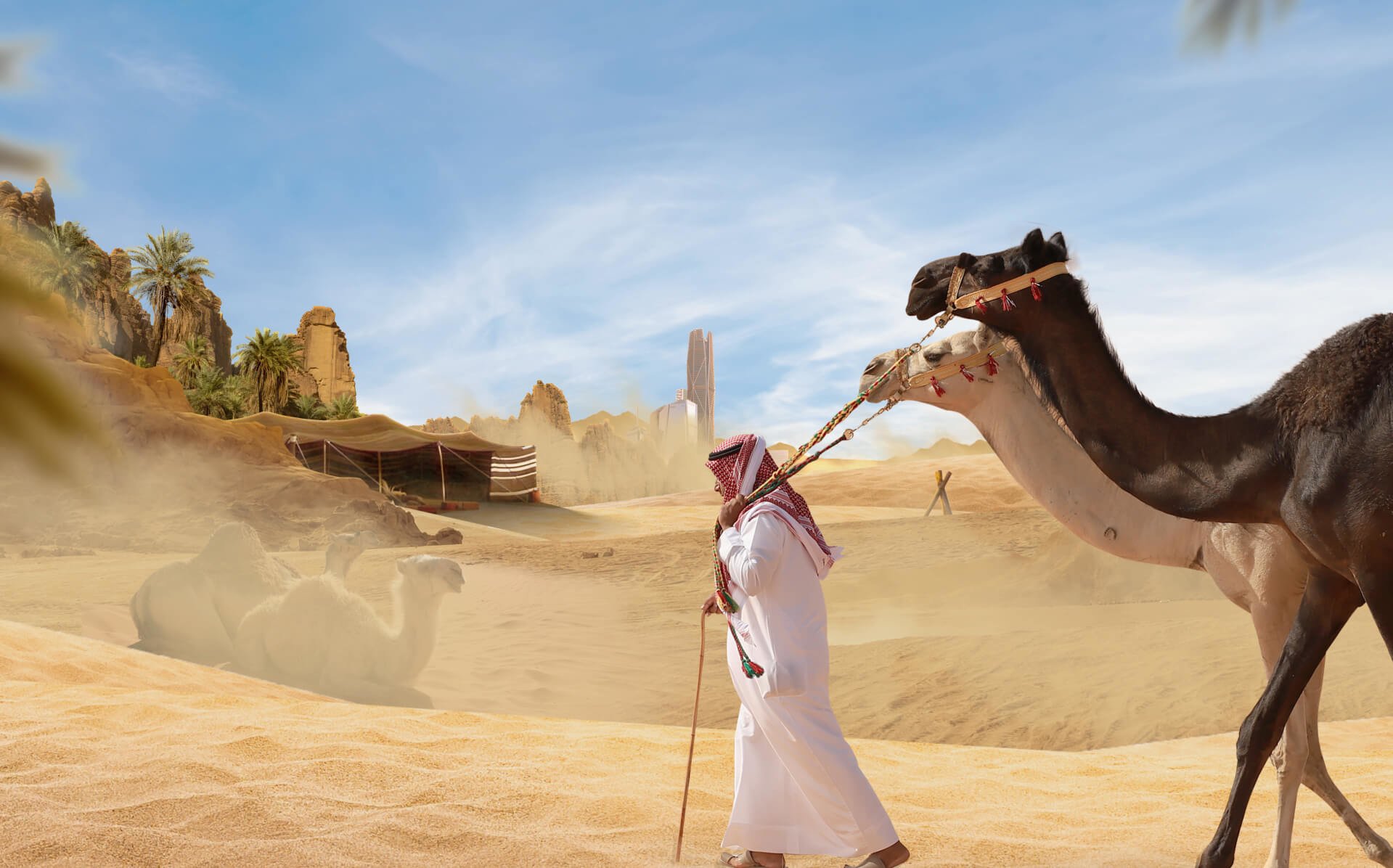
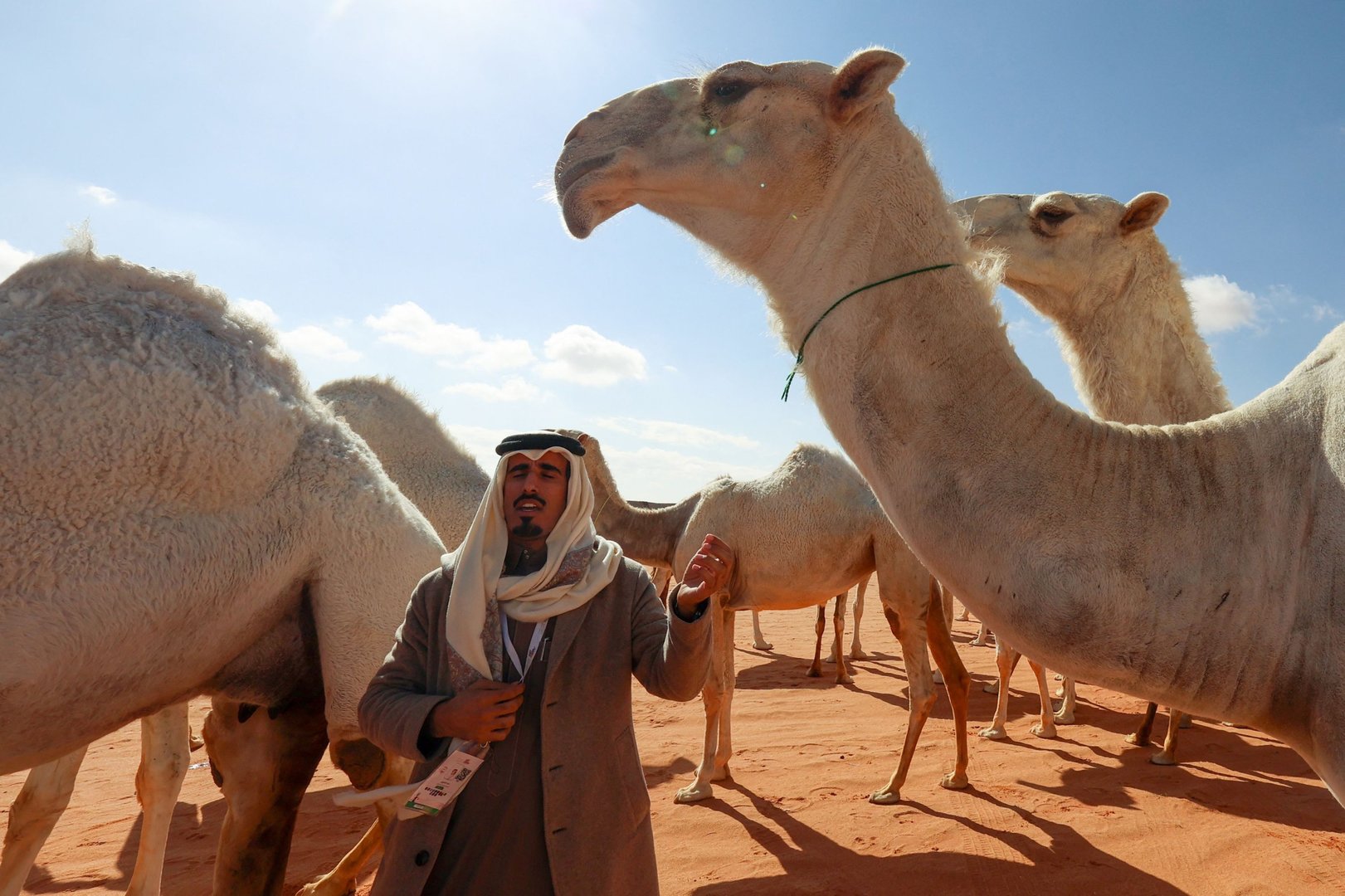
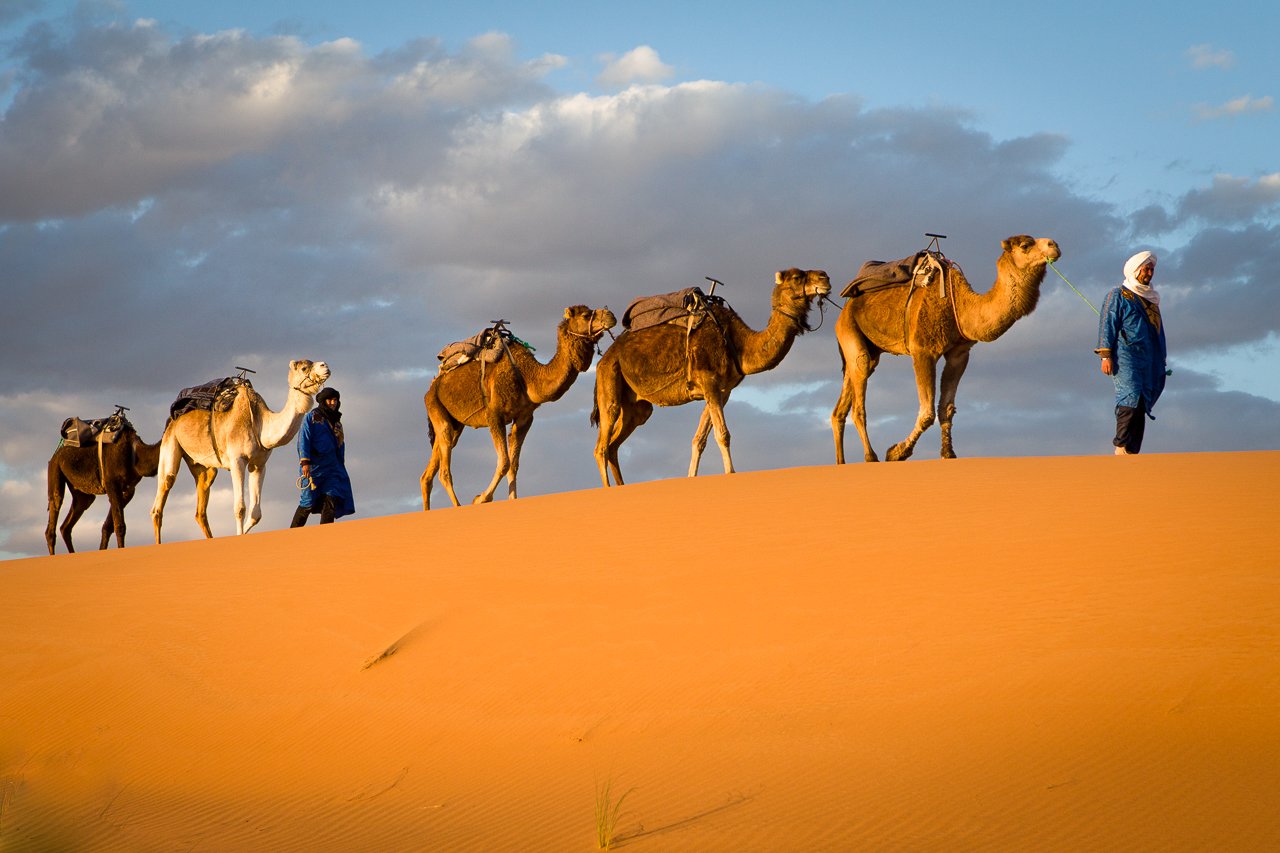
Bedouins have long depended on camels, prized for their resilience and strength, for transportation and essential resources. These animals have become a revered part of Arab heritage, with their images symbolizing respect and nobility.
Dr. Mohammed Al-Otaibi, leader of the Saudi Society for Camel Studies, traces this historical relationship back to ancient times, noting camels' prominence in both cultural and religious contexts.
Famous camels, like Prophet Mohammed's Al-Qaswa and Prophet Saleh's she-camel, are noteworthy in Islamic tradition, mentioned in the Quran and Hadiths.
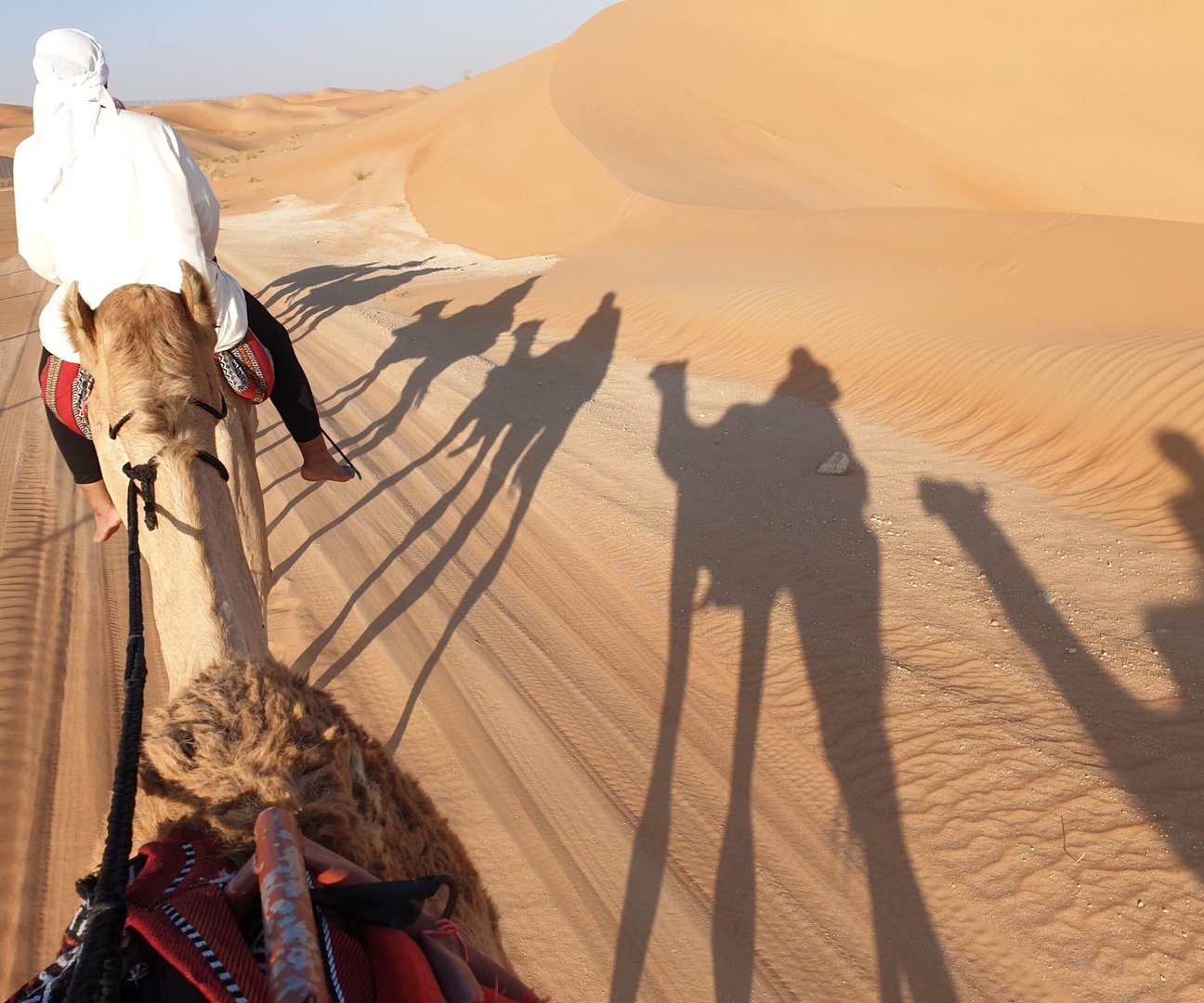
Dr. Hind Al-Mutairi from King Saud University describes camels as vital to desert survival, dubbed "ships of the desert" for their ability to navigate harsh conditions.
Arabs' close bond with these animals extends to detailed camel terminology within Arabic language—indicative of their cultural significance and poetic admiration.
Camels have served Arabs in various ways, providing food, clothing, and transportation. They remain symbols of status, often presented as gifts to leaders.
This heritage continues today in Saudi Arabia, highlighted during King Abdulaziz's reign and upheld by current rulers such as King Salman and Crown Prince Mohammed Bin Salman, who support camel-focused events and research.
With initiatives like the founding of the International Camel Organization and 2024 marked as the Year of the Camel, Saudi Arabia's commitment to preserving camel heritage is steadfast. The nation's passport now bears a camel herd emblem, celebrating the enduring Arab-camel connection and its importance to Saudi identity.
Dr. Mohammed Al-Otaibi, leader of the Saudi Society for Camel Studies, traces this historical relationship back to ancient times, noting camels' prominence in both cultural and religious contexts.
Famous camels, like Prophet Mohammed's Al-Qaswa and Prophet Saleh's she-camel, are noteworthy in Islamic tradition, mentioned in the Quran and Hadiths.
Dr. Hind Al-Mutairi from King Saud University describes camels as vital to desert survival, dubbed "ships of the desert" for their ability to navigate harsh conditions.
Arabs' close bond with these animals extends to detailed camel terminology within Arabic language—indicative of their cultural significance and poetic admiration.
Camels have served Arabs in various ways, providing food, clothing, and transportation. They remain symbols of status, often presented as gifts to leaders.
This heritage continues today in Saudi Arabia, highlighted during King Abdulaziz's reign and upheld by current rulers such as King Salman and Crown Prince Mohammed Bin Salman, who support camel-focused events and research.
With initiatives like the founding of the International Camel Organization and 2024 marked as the Year of the Camel, Saudi Arabia's commitment to preserving camel heritage is steadfast. The nation's passport now bears a camel herd emblem, celebrating the enduring Arab-camel connection and its importance to Saudi identity.