Saudi Crown Prince Joins Trump and Arab Leaders in Emergency Diplomacy Push Over Middle East Escalation
A rare multilateral call involving Washington, Gulf monarchies, Egypt, Jordan, Turkey and Pakistan reflects growing pressure to prevent the Iran crisis from expanding into a wider regional conflict.
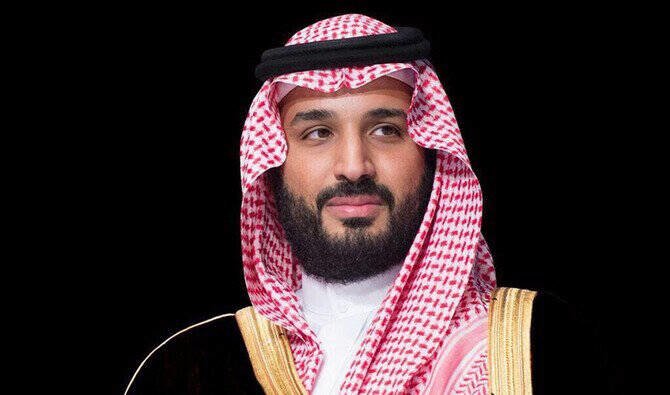
Regional crisis diplomacy has entered a more coordinated phase after Saudi Crown Prince Mohammed bin Salman joined a high-level call led by US President Donald Trump with Arab and regional leaders to address escalating tensions across the Middle East.
The discussion brought together leaders from Saudi Arabia, Qatar, the United Arab Emirates, Bahrain, Egypt, Jordan, Turkey and Pakistan at a moment when the region is balancing between uneasy de-escalation and the risk of another military rupture.
What is confirmed is that the leaders discussed regional security coordination, mediation efforts and mechanisms to contain further escalation linked to the Iran conflict.
The conversation followed months of military confrontation involving Iranian missile and drone attacks, retaliatory US and Israeli operations, threats to Gulf infrastructure and rising fears over energy security and maritime trade routes.
The dominant driver of the story is institutional and strategic coordination among regional powers attempting to prevent a broader war that could destabilize the Gulf, disrupt oil markets and damage already fragile diplomatic realignments.
The call itself matters because it reflects how deeply intertwined the region’s security architecture has become following direct attacks on Gulf states earlier this year.
Saudi Arabia occupies the central position in this diplomatic effort.
Riyadh has spent the past several years attempting to reposition itself from a primarily oil-dependent state into a global investment, logistics and tourism hub under Crown Prince Mohammed bin Salman’s economic transformation agenda.
Large-scale regional war threatens that strategy directly.
Missile attacks on Gulf infrastructure earlier in the year exposed the vulnerability of energy facilities, aviation routes and investor confidence.
The Saudi position has evolved under pressure.
Riyadh previously pursued a cautious détente with Tehran after a Chinese-brokered restoration of diplomatic relations in 2023. That thaw was intended to reduce direct confrontation and create stability for long-term economic planning.
But the recent conflict cycle sharply strained that approach after Iranian-linked attacks reached Gulf territory and triggered renewed security coordination with Washington.
The Trump administration has simultaneously pursued pressure and negotiation.
Trump recently paused consideration of broader military action against Iran after urgent consultations with Gulf leaders, including Saudi Arabia, Qatar and the UAE.
The latest multinational call suggests Washington is now trying to maintain regional unity while exploring pathways to prevent another round of escalation.
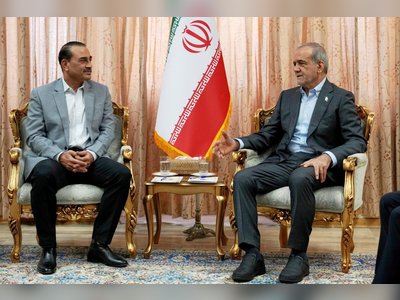
The inclusion of Pakistan’s army chief in the call is particularly significant.
Pakistan has emerged as an increasingly active intermediary in regional diplomacy during the crisis.
Islamabad maintains ties with both Gulf monarchies and Iran, giving it leverage as a potential channel for indirect communication and crisis management.
Turkey’s participation also reflects shifting regional dynamics.
Ankara has attempted to expand its diplomatic influence while maintaining relations across competing blocs.
President Recep Tayyip Erdogan has increasingly positioned Turkey as both a security actor and a mediator capable of engaging Gulf states, Western powers and Muslim-majority governments simultaneously.
For Gulf states, the immediate concern extends beyond military confrontation.
The regional economy remains heavily exposed to disruptions in shipping lanes, aviation corridors and oil infrastructure.
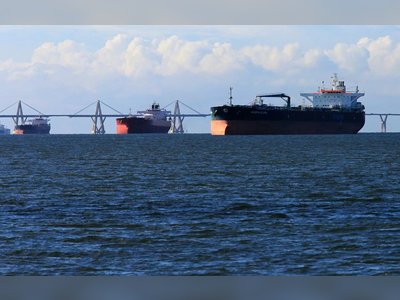
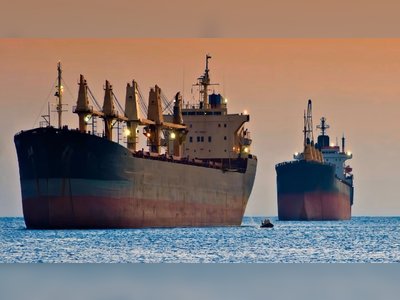
The Strait of Hormuz remains one of the world’s most strategically important energy chokepoints.
Any sustained disruption there would affect global crude prices, airline operations, insurance costs and inflation pressures far beyond the Middle East.
The diplomatic effort also reflects political calculations inside Arab capitals.
Gulf governments are attempting to avoid becoming direct battlegrounds between Iran and its adversaries while still maintaining strategic relationships with the United States.
That balancing act has become more difficult as attacks increasingly target infrastructure and military assets across the region.
Another major factor is public legitimacy.
Arab governments must manage domestic political pressures tied to the wider regional conflict, including public anger over civilian casualties, fears of economic instability and concerns over external military intervention.
Leaders involved in the call are attempting to project coordinated control at a moment when regional populations are increasingly anxious about the possibility of wider war.
The conversation also underscores Saudi Arabia’s growing diplomatic weight.
Riyadh is no longer acting solely as a traditional Gulf monarchy aligned automatically with Washington.
Instead, it is positioning itself as a central regional broker capable of coordinating Arab, Turkish, Pakistani and American engagement simultaneously.
Despite the emphasis on diplomacy, the underlying military reality remains severe.
Gulf states continue strengthening air defenses, protecting oil infrastructure and coordinating intelligence operations.
US military assets remain active across the region, and regional governments are preparing for the possibility that negotiations could fail.
At the same time, none of the major participants appear eager for uncontrolled escalation.
The economic cost of prolonged conflict would be immense, particularly for energy markets, tourism sectors, aviation systems and sovereign investment programs that Gulf states have spent years building.
The immediate consequence of the call is a more visible alignment among key regional powers around de-escalation and coordinated crisis management.
Saudi Arabia, Qatar and other Gulf states are now operating not only as energy exporters but as frontline diplomatic actors attempting to contain one of the most dangerous regional confrontations in years.
The discussion brought together leaders from Saudi Arabia, Qatar, the United Arab Emirates, Bahrain, Egypt, Jordan, Turkey and Pakistan at a moment when the region is balancing between uneasy de-escalation and the risk of another military rupture.
What is confirmed is that the leaders discussed regional security coordination, mediation efforts and mechanisms to contain further escalation linked to the Iran conflict.
The conversation followed months of military confrontation involving Iranian missile and drone attacks, retaliatory US and Israeli operations, threats to Gulf infrastructure and rising fears over energy security and maritime trade routes.
The dominant driver of the story is institutional and strategic coordination among regional powers attempting to prevent a broader war that could destabilize the Gulf, disrupt oil markets and damage already fragile diplomatic realignments.
The call itself matters because it reflects how deeply intertwined the region’s security architecture has become following direct attacks on Gulf states earlier this year.
Saudi Arabia occupies the central position in this diplomatic effort.
Riyadh has spent the past several years attempting to reposition itself from a primarily oil-dependent state into a global investment, logistics and tourism hub under Crown Prince Mohammed bin Salman’s economic transformation agenda.
Large-scale regional war threatens that strategy directly.
Missile attacks on Gulf infrastructure earlier in the year exposed the vulnerability of energy facilities, aviation routes and investor confidence.
The Saudi position has evolved under pressure.
Riyadh previously pursued a cautious détente with Tehran after a Chinese-brokered restoration of diplomatic relations in 2023. That thaw was intended to reduce direct confrontation and create stability for long-term economic planning.
But the recent conflict cycle sharply strained that approach after Iranian-linked attacks reached Gulf territory and triggered renewed security coordination with Washington.
The Trump administration has simultaneously pursued pressure and negotiation.
Trump recently paused consideration of broader military action against Iran after urgent consultations with Gulf leaders, including Saudi Arabia, Qatar and the UAE.
The latest multinational call suggests Washington is now trying to maintain regional unity while exploring pathways to prevent another round of escalation.
The inclusion of Pakistan’s army chief in the call is particularly significant.
Pakistan has emerged as an increasingly active intermediary in regional diplomacy during the crisis.
Islamabad maintains ties with both Gulf monarchies and Iran, giving it leverage as a potential channel for indirect communication and crisis management.
Turkey’s participation also reflects shifting regional dynamics.
Ankara has attempted to expand its diplomatic influence while maintaining relations across competing blocs.
President Recep Tayyip Erdogan has increasingly positioned Turkey as both a security actor and a mediator capable of engaging Gulf states, Western powers and Muslim-majority governments simultaneously.
For Gulf states, the immediate concern extends beyond military confrontation.
The regional economy remains heavily exposed to disruptions in shipping lanes, aviation corridors and oil infrastructure.
The Strait of Hormuz remains one of the world’s most strategically important energy chokepoints.
Any sustained disruption there would affect global crude prices, airline operations, insurance costs and inflation pressures far beyond the Middle East.
The diplomatic effort also reflects political calculations inside Arab capitals.
Gulf governments are attempting to avoid becoming direct battlegrounds between Iran and its adversaries while still maintaining strategic relationships with the United States.
That balancing act has become more difficult as attacks increasingly target infrastructure and military assets across the region.
Another major factor is public legitimacy.
Arab governments must manage domestic political pressures tied to the wider regional conflict, including public anger over civilian casualties, fears of economic instability and concerns over external military intervention.
Leaders involved in the call are attempting to project coordinated control at a moment when regional populations are increasingly anxious about the possibility of wider war.
The conversation also underscores Saudi Arabia’s growing diplomatic weight.
Riyadh is no longer acting solely as a traditional Gulf monarchy aligned automatically with Washington.
Instead, it is positioning itself as a central regional broker capable of coordinating Arab, Turkish, Pakistani and American engagement simultaneously.
Despite the emphasis on diplomacy, the underlying military reality remains severe.
Gulf states continue strengthening air defenses, protecting oil infrastructure and coordinating intelligence operations.
US military assets remain active across the region, and regional governments are preparing for the possibility that negotiations could fail.
At the same time, none of the major participants appear eager for uncontrolled escalation.
The economic cost of prolonged conflict would be immense, particularly for energy markets, tourism sectors, aviation systems and sovereign investment programs that Gulf states have spent years building.
The immediate consequence of the call is a more visible alignment among key regional powers around de-escalation and coordinated crisis management.
Saudi Arabia, Qatar and other Gulf states are now operating not only as energy exporters but as frontline diplomatic actors attempting to contain one of the most dangerous regional confrontations in years.