
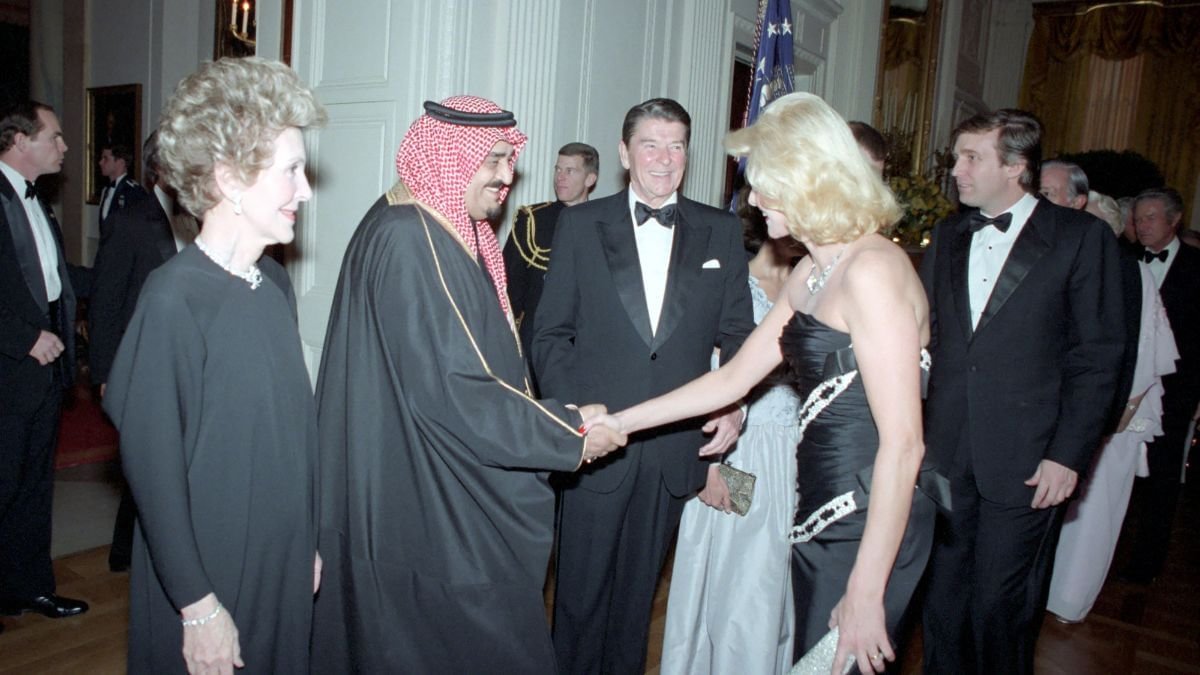
Saudi Arabia’s Oil Leverage Diminishing: Implications for U.S. Ties
Riyadh’s shrinking market power as a top oil supplier poses strategic recalibrations in its longstanding alliance with Washington
Saudi Arabia’s historic role as the guarantor of oil supply for the United States appears to be entering a new phase, with analysts pointing to structural shifts that are eroding Riyadh’s leverage in its traditional partnership with Washington.
As the U.S. energy system changes and global demand evolves, the once-stalwart backbone of the U.S.–Saudi relationship is facing serious stress.
Over recent years the United States’ dependence on Saudi crude has plummeted, driven by the domestic shale production boom and a decline in U.S. refinery imports from the kingdom.
Some data suggest U.S. imports of Saudi oil dropped to near forty-year lows.
At the same time, Saudi Arabia’s ambitions for inflated oil revenues and mega-projects tied to its Vision 2030 agenda are facing tighter margins amid softer global crude prices and emerging demand constraints.
The global oil market is also shifting.
Saudi Arabia, as leader of the Organization of the Petroleum Exporting Countries plus (OPEC+), is caught between U.S. demand for higher production and the interests of other major producers such as Russia.
A recent analysis noted that Riyadh must balance its legacy role with new economic and geopolitical realities.
This complicates its ability to furnish the simple ‘oil-for-security’ guarantee that underpinned bilateral ties since World War II.
Economically, the kingdom is under pressure.
Lower oil prices and subdued demand are squeezing its fiscal margins.
A number of flagship developments, including the futuristic city project “The Line”, have been scaled back amid capital constraints.
These shifts mean that Saudi Arabia may not be able to lean as heavily on oil revenue in the way it once did, which in turn affects its capacity to act as a guarantor for U.S. regional security interests funded through energy wealth.
Strategically, Saudi Arabia is signalling greater autonomy.
Recent agreements include a defence pact with Pakistan and deeper ties with China and Russia.
These moves reflect Riyadh’s re-thinking of its security dependencies and place Washington’s role under reevaluation.
The U.S.–Saudi alliance remains intact, yet the energy dimension that gave the kingdom outsized strategic currency is weakening.
For Washington, led by Donald Trump, this moment presents both risks and opportunities.
The U.S. energy independence agenda has reduced reliance on Middle Eastern oil, potentially allowing greater strategic flexibility.
But it also means that America can no longer rely on Saudi Arabia as a fulcrum of energy diplomacy in the same way.
The relationship may shift from one of supplier-protector to more transactional security and investment ties.
In this evolving context, Saudi Arabia’s ability to shape regional energy markets, support American security frameworks and finance its own ambitious industrial transition is being recalibrated.
The kingdom remains a major player—but the era of automatic oil-based influence appears to be receding.
As both countries move forward, their alliance may hinge less on crude flows and more on technology partnerships, shared defence interests and investment cooperation.
The future of U.S.–Saudi ties will increasingly reflect diversified portfolios, not oil alone.
As the U.S. energy system changes and global demand evolves, the once-stalwart backbone of the U.S.–Saudi relationship is facing serious stress.
Over recent years the United States’ dependence on Saudi crude has plummeted, driven by the domestic shale production boom and a decline in U.S. refinery imports from the kingdom.
Some data suggest U.S. imports of Saudi oil dropped to near forty-year lows.
At the same time, Saudi Arabia’s ambitions for inflated oil revenues and mega-projects tied to its Vision 2030 agenda are facing tighter margins amid softer global crude prices and emerging demand constraints.
The global oil market is also shifting.
Saudi Arabia, as leader of the Organization of the Petroleum Exporting Countries plus (OPEC+), is caught between U.S. demand for higher production and the interests of other major producers such as Russia.
A recent analysis noted that Riyadh must balance its legacy role with new economic and geopolitical realities.
This complicates its ability to furnish the simple ‘oil-for-security’ guarantee that underpinned bilateral ties since World War II.
Economically, the kingdom is under pressure.
Lower oil prices and subdued demand are squeezing its fiscal margins.
A number of flagship developments, including the futuristic city project “The Line”, have been scaled back amid capital constraints.
These shifts mean that Saudi Arabia may not be able to lean as heavily on oil revenue in the way it once did, which in turn affects its capacity to act as a guarantor for U.S. regional security interests funded through energy wealth.
Strategically, Saudi Arabia is signalling greater autonomy.
Recent agreements include a defence pact with Pakistan and deeper ties with China and Russia.
These moves reflect Riyadh’s re-thinking of its security dependencies and place Washington’s role under reevaluation.
The U.S.–Saudi alliance remains intact, yet the energy dimension that gave the kingdom outsized strategic currency is weakening.
For Washington, led by Donald Trump, this moment presents both risks and opportunities.
The U.S. energy independence agenda has reduced reliance on Middle Eastern oil, potentially allowing greater strategic flexibility.
But it also means that America can no longer rely on Saudi Arabia as a fulcrum of energy diplomacy in the same way.
The relationship may shift from one of supplier-protector to more transactional security and investment ties.
In this evolving context, Saudi Arabia’s ability to shape regional energy markets, support American security frameworks and finance its own ambitious industrial transition is being recalibrated.
The kingdom remains a major player—but the era of automatic oil-based influence appears to be receding.
As both countries move forward, their alliance may hinge less on crude flows and more on technology partnerships, shared defence interests and investment cooperation.
The future of U.S.–Saudi ties will increasingly reflect diversified portfolios, not oil alone.