Saudi Arabia, Iran and China Renew Call for UN-Led Peace Process in Yemen
Trilateral statement urges comprehensive political solution under United Nations auspices as tensions persist in Yemen
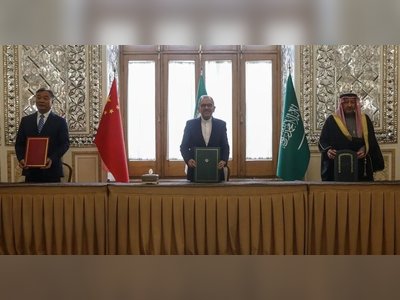
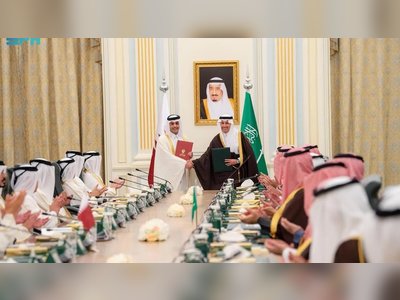
Saudi Arabia, Iran and China have jointly reaffirmed their support for a comprehensive political settlement to the Yemen crisis under the auspices of the United Nations, during their second trilateral committee meeting held in Riyadh.
The three parties committed to backing internationally recognised frameworks — including a negotiated and inclusive political path — as the only viable route to lasting peace in Yemen.
The November 2024 session of the Beijing Agreement-linked tripartite committee brought together senior envoys from the three countries.
In their joint communique, the delegation said they welcomed “the continuous progress in Saudi-Iranian relations” and emphasised that the Yemen issue must be resolved in line with international law, the United Nations Charter and relevant United Nations Security Council resolutions.
The statement also underscored a shared desire to expand cooperation beyond diplomacy — covering economic, political and consular domains — as part of a broader regional stabilisation effort.
By aligning on Yemen under a UN framework, the trio signals an intent to shift away from proxy confrontation that has long fueled violence and humanitarian collapse in the country.
Observers note that the renewed push comes against a backdrop of shifting regional dynamics: the rapprochement between Riyadh and Tehran under China’s mediation, combined with growing international pressure to resolve Yemen’s conflict peacefully.
The collaborative statement marks one of the clearest endorsements yet of a united Middle Eastern effort — backed by a major global power — to bring Yemen’s warring parties to the negotiating table.
While the call is welcomed by many diplomacy advocates, significant obstacles remain.
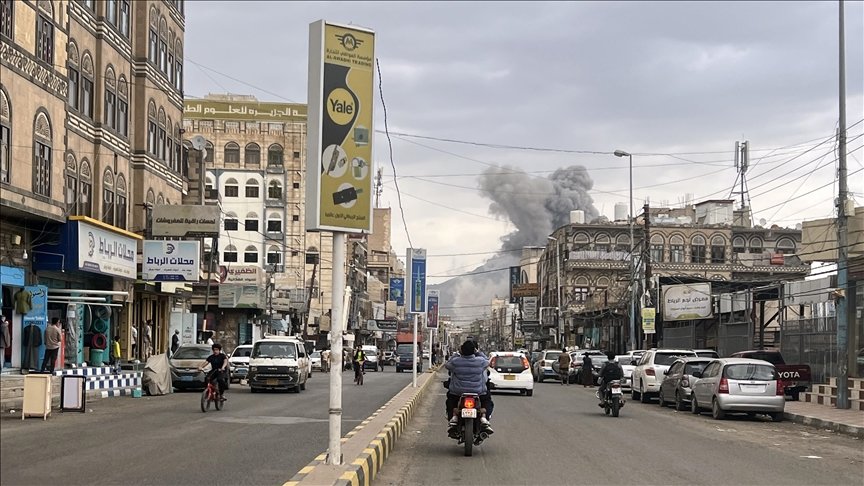
Yemen’s conflict landscape is fragmented, with multiple armed actors, deep humanitarian needs and a history of failed ceasefires.
The upcoming months will test whether this renewed international consensus can translate into a viable, inclusive peace process under United Nations guidance.
The three parties committed to backing internationally recognised frameworks — including a negotiated and inclusive political path — as the only viable route to lasting peace in Yemen.
The November 2024 session of the Beijing Agreement-linked tripartite committee brought together senior envoys from the three countries.
In their joint communique, the delegation said they welcomed “the continuous progress in Saudi-Iranian relations” and emphasised that the Yemen issue must be resolved in line with international law, the United Nations Charter and relevant United Nations Security Council resolutions.
The statement also underscored a shared desire to expand cooperation beyond diplomacy — covering economic, political and consular domains — as part of a broader regional stabilisation effort.
By aligning on Yemen under a UN framework, the trio signals an intent to shift away from proxy confrontation that has long fueled violence and humanitarian collapse in the country.
Observers note that the renewed push comes against a backdrop of shifting regional dynamics: the rapprochement between Riyadh and Tehran under China’s mediation, combined with growing international pressure to resolve Yemen’s conflict peacefully.
The collaborative statement marks one of the clearest endorsements yet of a united Middle Eastern effort — backed by a major global power — to bring Yemen’s warring parties to the negotiating table.
While the call is welcomed by many diplomacy advocates, significant obstacles remain.
Yemen’s conflict landscape is fragmented, with multiple armed actors, deep humanitarian needs and a history of failed ceasefires.
The upcoming months will test whether this renewed international consensus can translate into a viable, inclusive peace process under United Nations guidance.