Gulf Sovereign Funds Back Paramount Skydance’s Hostile Bid for Warner Bros. Discovery with Mixed Motives in Play
Investment from Saudi Arabia, Qatar and Abu Dhabi strengthens Ellisons’ takeover attempt despite regulatory and governance concerns
Sovereign wealth funds from Saudi Arabia, Qatar and Abu Dhabi have emerged as major financial backers of Paramount Skydance’s hostile takeover bid for Warner Bros. Discovery (WBD), lending fresh momentum to what has become one of the most dramatic M&A contests in media history.
The backing significantly boosts the war chest of the bid, heightening pressure on WBD’s board and intensifying scrutiny on the role of foreign capital in U.S. entertainment assets.
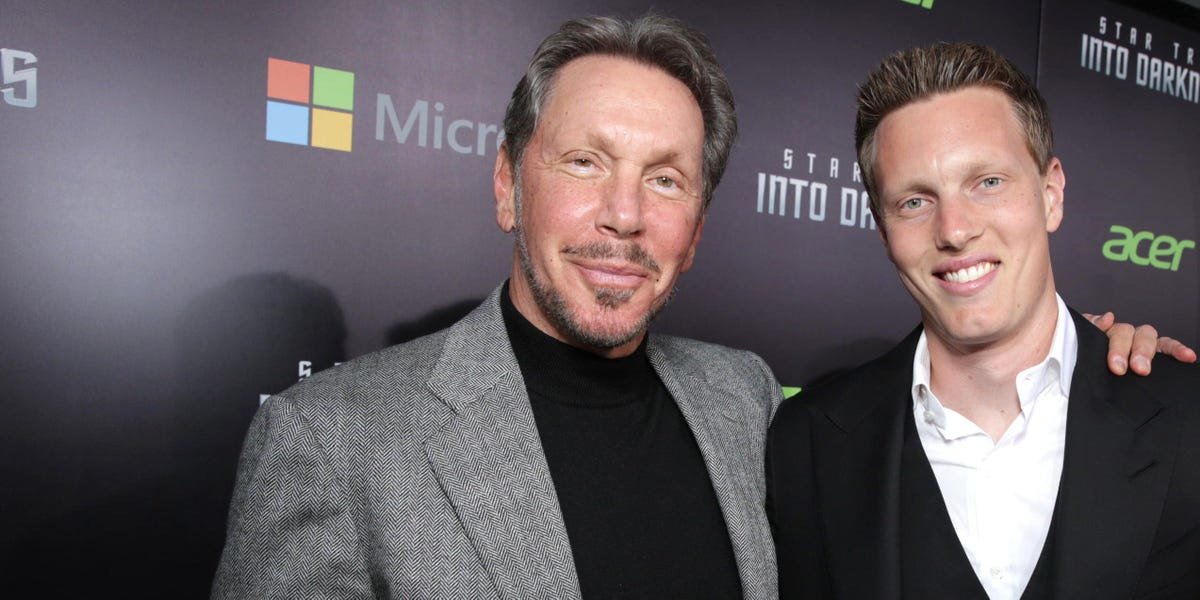
Paramount, led by CEO David Ellison and backed by his father, technology billionaire Larry Ellison, appears ready to combine its existing assets with WBD’s vast portfolio — including Warner Bros. studios, HBO, and cable networks — in a sweeping all-cash offer.
The support from Gulf funds reportedly helps underwrite a large portion of the equity required while allowing the Ellisons to retain operational and voting control over the merged company.
According to insiders, the three sovereign funds — despite significant financial commitment — would not receive governance rights such as board seats or voting authority, a design intended to sidestep regulatory review under the U.S. Committee on Foreign Investment rules.
Paramount’s back-stop structure therefore keeps strategic decision-making in the hands of the Ellison family while still leveraging foreign capital.
Market observers note that the involvement of the Gulf investors may serve multiple objectives beyond financial return.
For the sovereign funds, acquiring exposure to a global media heavyweight offers potential soft-power influence, access to premium entertainment content and strategic placement within the global entertainment supply chain.
For the Ellisons, it strengthens their negotiating position amid competition from other bidders such as Netflix and Comcast, while aligning with broader trends in media consolidation backed by deep-pocketed institutional investors.
Not everyone welcomes the partnership.
Critics warn that coupling state-owned funds from the Gulf with control over a major U.S. media conglomerate raises sensitive questions about editorial independence, national security and the influence of foreign governments on news and entertainment content.
In response, proponents highlight the structure’s safeguards, arguing that the lack of governance rights combined with American leadership ensures editorial standards remain intact.
With WBD’s board due to evaluate the bid and shareholders facing a decision deadline in early 2026, the stakes — financial, political and cultural — remain exceptionally high.
The Gulf backing transforms what had been a standard takeover tussle into a test case for the future of global media ownership, cross-border investment, and the role of sovereign capital in shaping entertainment landscapes worldwide.
The backing significantly boosts the war chest of the bid, heightening pressure on WBD’s board and intensifying scrutiny on the role of foreign capital in U.S. entertainment assets.
Paramount, led by CEO David Ellison and backed by his father, technology billionaire Larry Ellison, appears ready to combine its existing assets with WBD’s vast portfolio — including Warner Bros. studios, HBO, and cable networks — in a sweeping all-cash offer.
The support from Gulf funds reportedly helps underwrite a large portion of the equity required while allowing the Ellisons to retain operational and voting control over the merged company.
According to insiders, the three sovereign funds — despite significant financial commitment — would not receive governance rights such as board seats or voting authority, a design intended to sidestep regulatory review under the U.S. Committee on Foreign Investment rules.
Paramount’s back-stop structure therefore keeps strategic decision-making in the hands of the Ellison family while still leveraging foreign capital.
Market observers note that the involvement of the Gulf investors may serve multiple objectives beyond financial return.
For the sovereign funds, acquiring exposure to a global media heavyweight offers potential soft-power influence, access to premium entertainment content and strategic placement within the global entertainment supply chain.
For the Ellisons, it strengthens their negotiating position amid competition from other bidders such as Netflix and Comcast, while aligning with broader trends in media consolidation backed by deep-pocketed institutional investors.
Not everyone welcomes the partnership.
Critics warn that coupling state-owned funds from the Gulf with control over a major U.S. media conglomerate raises sensitive questions about editorial independence, national security and the influence of foreign governments on news and entertainment content.
In response, proponents highlight the structure’s safeguards, arguing that the lack of governance rights combined with American leadership ensures editorial standards remain intact.
With WBD’s board due to evaluate the bid and shareholders facing a decision deadline in early 2026, the stakes — financial, political and cultural — remain exceptionally high.
The Gulf backing transforms what had been a standard takeover tussle into a test case for the future of global media ownership, cross-border investment, and the role of sovereign capital in shaping entertainment landscapes worldwide.